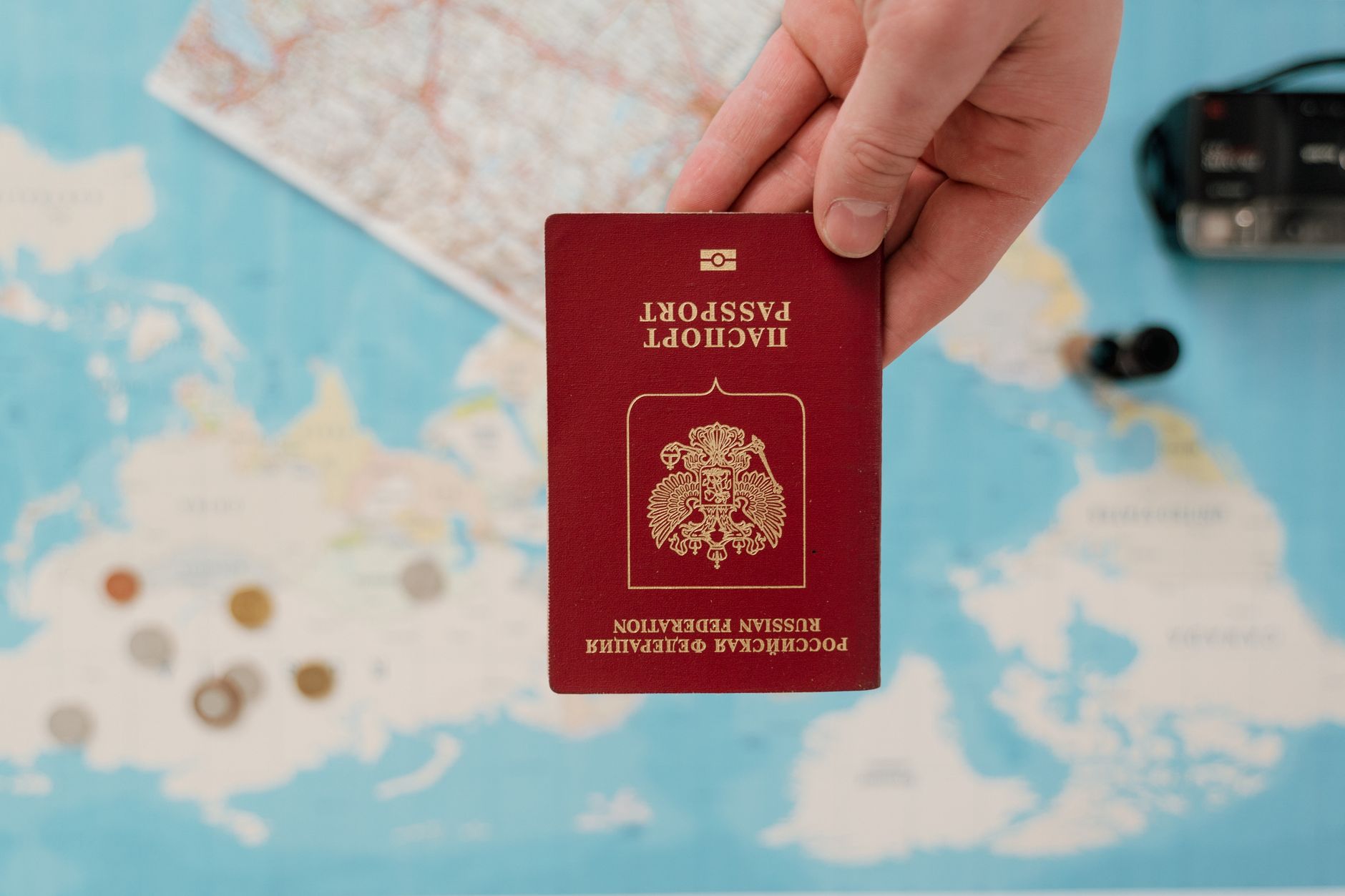
The summer travel season traditionally sees millions of Indians booking flights to Europe, the Middle East, and other popular international destinations. However, escalating geopolitical tensions and ongoing conflicts are fundamentally changing where and how Indian families choose to vacation in 2024.
The Shifting Landscape of International Travel
Recent months have witnessed significant conflicts affecting key travel corridors. The Middle East remains volatile, while tensions in Eastern Europe continue to simmer. For Indian travellers accustomed to planning their annual overseas holidays months in advance, these developments have created unprecedented uncertainty.
Travel agents across major Indian cities report a noticeable shift in booking patterns. Destinations that were once perennial favourites are now being reconsidered or avoided altogether. Airlines have cancelled or rerouted several flights, adding another layer of complexity to travel planning.
Safety Takes Centre Stage
Indian families are increasingly prioritising safety over bucket-list destinations. Parents are particularly cautious about travelling with children to regions where conflict could potentially escalate. Even destinations not directly involved in conflicts but located in proximity to affected areas are seeing reduced interest.
The Indian government's travel advisories play a crucial role in shaping these decisions. When the Ministry of External Affairs issues warnings about specific regions, it creates a ripple effect across the travel industry. Insurance companies have also adjusted their policies, with many excluding conflict zones from standard coverage or charging significant premiums for such destinations.
The Winners: Alternative Destinations on the Rise
While some destinations lose ground, others are experiencing unexpected booms. Southeast Asian countries are emerging as major beneficiaries of this shift. Thailand, Vietnam, Indonesia, and Malaysia are seeing increased interest from Indian travellers seeking international experiences without the geopolitical risks.
Closer to home, domestic tourism is experiencing a renaissance. Indian travellers are rediscovering hidden gems within the country:
- Kashmir and Ladakh are attracting adventure seekers
- Northeast states are positioning themselves as exotic yet safe alternatives
- Beach destinations like Goa, Kerala, and the Andamans remain popular
- Hill stations across Himachal Pradesh and Uttarakhand are seeing extended booking seasons
- Heritage circuits in Rajasthan continue to draw cultural tourists
Economic Implications for the Travel Industry
The travel industry is adapting to these new realities with mixed results. Tour operators specialising in European packages are pivoting their offerings, while those focused on domestic and Southeast Asian travel are expanding capacity.
Airlines are recalibrating routes and frequencies based on demand patterns. Some international carriers have reduced services to conflict-affected regions while increasing flights to trending destinations. This dynamic pricing environment means travellers often find better deals on less popular routes.
Hotels and resorts in emerging destinations are upgrading facilities to accommodate the influx of travellers who might have previously chosen international options. This investment could have long-term benefits for India's hospitality infrastructure.
The Technology Factor
Travel technology platforms are responding to heightened safety concerns by incorporating real-time risk assessments and flexible booking options. Many now offer:
- Dynamic travel advisories integrated into search results
- Enhanced cancellation and rescheduling policies
- Travel insurance products specifically addressing conflict-related disruptions
- Alternative destination suggestions based on safety parameters
Planning in Uncertain Times
Travel experts suggest several strategies for navigating this complex environment. Booking refundable tickets, purchasing comprehensive travel insurance, and maintaining flexibility in itineraries have become essential rather than optional.
Travellers are advised to register with the Indian embassy or consulate in their destination country and stay connected with official communication channels. Many are also opting for shorter trips to minimise exposure to potential risks.
Looking Ahead
The long-term impact of these changes remains uncertain. If conflicts persist or escalate, the transformation of travel patterns could become permanent rather than temporary. Some industry analysts predict that Indian travellers may develop lasting preferences for the alternative destinations they discover during this period.
Conversely, there is pent-up demand for traditional destinations that could result in a significant rebound once geopolitical situations stabilise. Tour operators are cautiously optimistic about future bookings while remaining prepared for continued volatility.
The current situation underscores an important reality: travel and geopolitics are increasingly intertwined. For Indian holidaymakers, the dream vacation now requires not just financial planning but also careful consideration of global events and their potential impact on safety and enjoyment.
This article is for general informational purposes only. Travellers should consult official government travel advisories, their travel agents, and insurance providers before making any booking decisions, especially regarding destinations affected by or near conflict zones.