The Indian government has approved a landmark ₹7,597 crore infrastructure project to expand National Highway 63 (NH-63) and National Highway 563 (NH-563) in northern Telangana, marking one of the most significant connectivity upgrades in the region's history. This ambitious initiative is expected to dramatically improve travel conditions, stimulate tourism, and create new economic opportunities across several districts.
Scope of the Highway Expansion Project
The project encompasses widening, strengthening, and modernising critical highway stretches that connect northern Telangana to neighbouring states and key economic centres. NH-63 serves as a vital corridor linking Telangana with Maharashtra and Chhattisgarh, while NH-563 provides crucial connectivity within the state's northern districts.
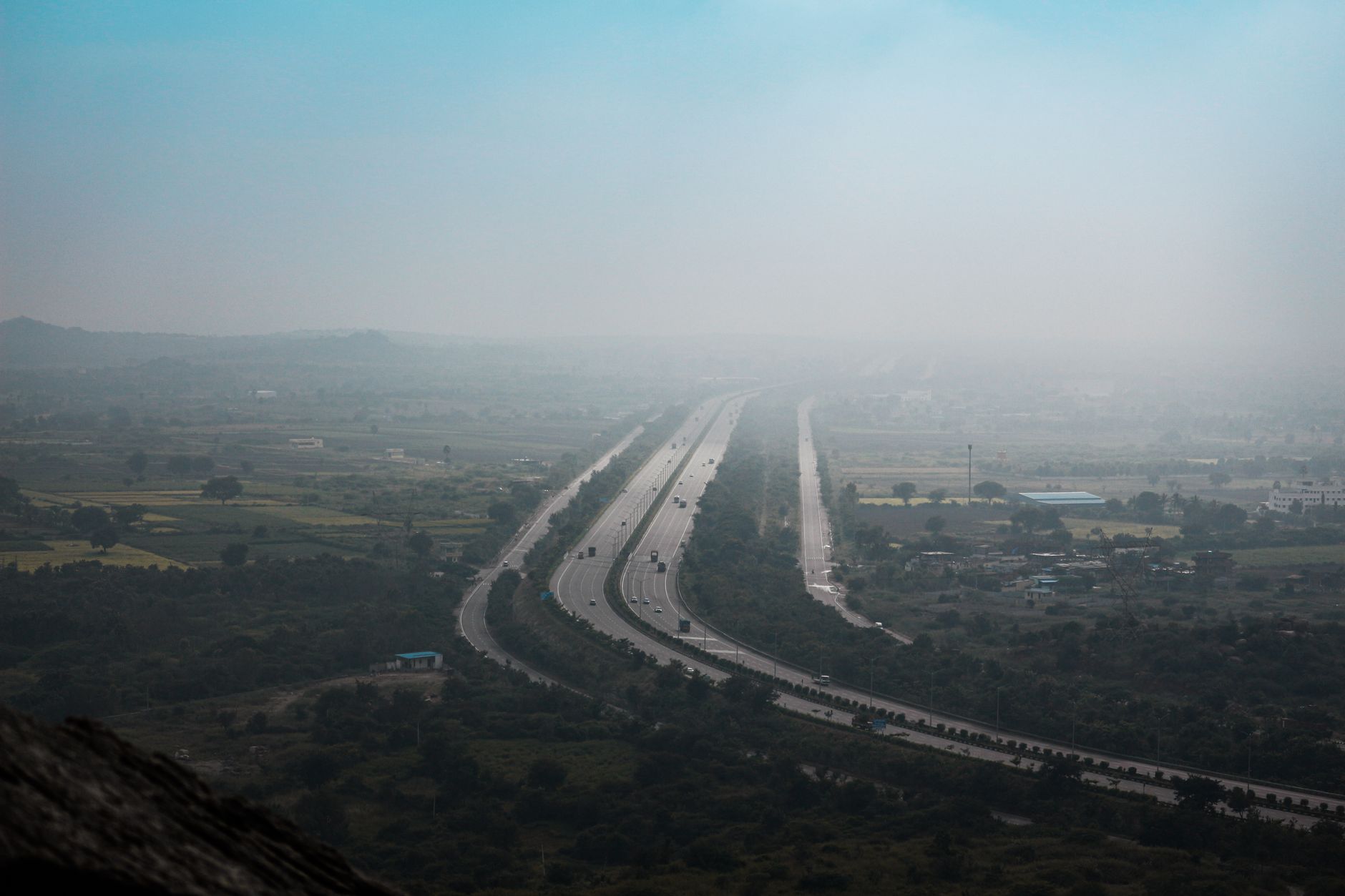
The expansion will transform these routes from their current state into modern, four-lane or six-lane highways with improved safety features, better road surfaces, and enhanced wayside amenities. The project includes construction of bypasses around congested towns, new bridges, improved drainage systems, and modern signage.
Impact on Pilgrimage Tourism
Northern Telangana is home to several important religious and pilgrimage sites that attract millions of visitors annually. The Kaleshwaram Temple, Gnana Saraswati Temple in Basar, and various other spiritual destinations have historically been difficult to access due to poor road conditions.
The highway expansion will significantly reduce travel time and improve comfort for pilgrims. Better connectivity means devotees from Hyderabad, Nagpur, and other major cities will find it easier to undertake religious journeys. This improved accessibility is expected to increase tourist footfall by 40-50% over the next five years, benefiting local businesses, hotels, and service providers.
Temple towns along these routes are likely to see substantial development in hospitality infrastructure, with new hotels, restaurants, and tourist facilities emerging to cater to increased visitor numbers.
Boosting Regional Trade and Commerce
The expanded highways will serve as crucial arteries for commercial transportation, particularly benefiting the agricultural and industrial sectors in northern Telangana. The region produces significant quantities of paddy, cotton, turmeric, and other crops that currently face transportation challenges to market centres.
Key economic benefits include:
- Reduced transportation time for agricultural produce to major markets
- Lower logistics costs for industries located in Karimnagar, Nizamabad, and Adilabad districts
- Improved access to raw materials and finished goods markets
- Enhanced connectivity to ports and airports for export-oriented businesses
- Attraction of new investments due to better infrastructure
Employment Generation and Local Development
Large-scale infrastructure projects of this magnitude create substantial employment opportunities both during construction and in the long term. The project is expected to generate thousands of direct jobs in construction, engineering, and project management, while also creating indirect employment in hospitality, retail, and service sectors.
Local communities along the highway corridors will benefit from improved access to healthcare facilities, educational institutions, and administrative centres. Reduced travel time means better emergency medical response capabilities and easier access to specialised services in district headquarters.
Strategic Importance for Regional Integration
The NH-63 and NH-563 expansion aligns with the central government's broader vision of creating an integrated national highway network. These routes form part of the larger connectivity framework linking different regions of India.
The improved highways will strengthen Telangana's position as a logistics hub, facilitating smoother movement of goods between southern, central, and western India. This strategic positioning could attract warehousing, cold storage, and logistics companies to establish facilities along these corridors.
Environmental and Safety Considerations
Modern highway design incorporates environmental safeguards and safety features that were absent in older road infrastructure. The project includes provisions for wildlife crossings in forested areas, proper drainage to prevent waterlogging, and landscaping to reduce dust pollution.
Advanced safety features such as crash barriers, improved lighting, emergency call boxes, and dedicated lanes for slow-moving vehicles will significantly reduce accident rates that have plagued these routes.
Timeline and Implementation
While specific timelines depend on land acquisition, environmental clearances, and contractor mobilisation, such projects typically follow a phased implementation approach. Critical stretches and bottleneck sections receive priority attention, with visible improvements expected within the first 18-24 months.
The comprehensive transformation of these highways represents a major step forward for northern Telangana's development trajectory, promising to unlock economic potential while making travel safer, faster, and more comfortable for millions of road users.
This article is for general informational purposes only and does not constitute professional advice regarding investment decisions or travel planning. Readers should verify current project status and timelines through official government sources before making any business or travel-related decisions.