The World Travel & Tourism Council, a leading global authority representing the travel and tourism sector, has issued recommendations for India to accelerate growth in one of its most promising economic sectors. The call focuses on two critical areas: simplifying visa procedures for international visitors and ramping up investments in tourism infrastructure and services.
India's Tourism Potential Remains Untapped
Despite being home to UNESCO World Heritage sites, diverse landscapes ranging from the Himalayas to tropical beaches, and a rich cultural tapestry, India captures only a small fraction of global tourist arrivals compared to competitors like Thailand, Malaysia, or even neighbouring countries. The WTTC's intervention highlights that procedural barriers and infrastructure gaps continue to hold back what could be a transformative economic engine.
Tourism contributes significantly to India's GDP and employment, but experts believe the sector operates well below its capacity. Countries with streamlined entry processes and modern tourism facilities consistently outperform India in attracting high-spending international visitors.
The Visa Challenge
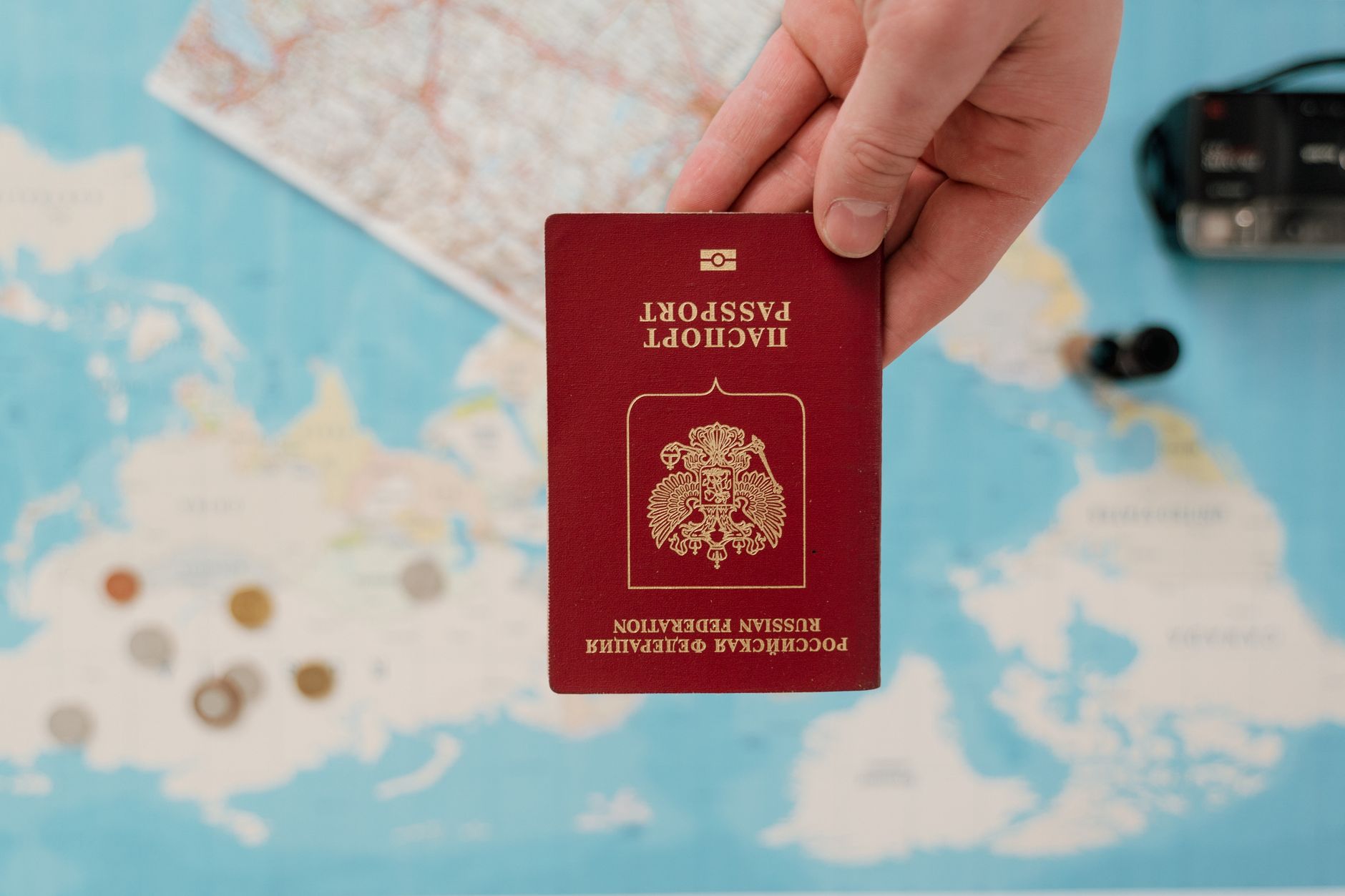
Current visa processes for India, while improved from earlier years with the introduction of e-visas for many nationalities, still present challenges. Processing times can be unpredictable, categories remain complex, and certain nationalities face more stringent requirements. Business travellers and tourists often cite visa complications as a deterrent when planning itineraries.
The WTTC's recommendations likely include:
- Expanding visa-on-arrival facilities to more nationalities
- Simplifying the e-visa application process with faster approvals
- Introducing longer validity periods for tourist visas
- Creating more flexible visa categories for different traveller types
- Reducing costs associated with visa applications
Countries that have liberalized visa regimes have witnessed dramatic increases in tourist arrivals. Thailand's visa exemptions and simplified processes, for example, have been credited with sustaining its position as a top global destination.
Investment in Infrastructure and Services
Beyond entry procedures, the WTTC emphasizes the need for substantial investments in tourism infrastructure. India's tourism assets often suffer from inadequate connectivity, limited accommodation options outside major cities, and inconsistent service standards.
Key investment areas include:
- Upgrading regional airports and improving last-mile connectivity to tourist destinations
- Developing hotels and resorts that meet international standards
- Training hospitality workforce to enhance service quality
- Improving road infrastructure connecting tourist sites
- Investing in digital payment systems and tourist information services
- Enhancing cleanliness and maintenance at tourist locations
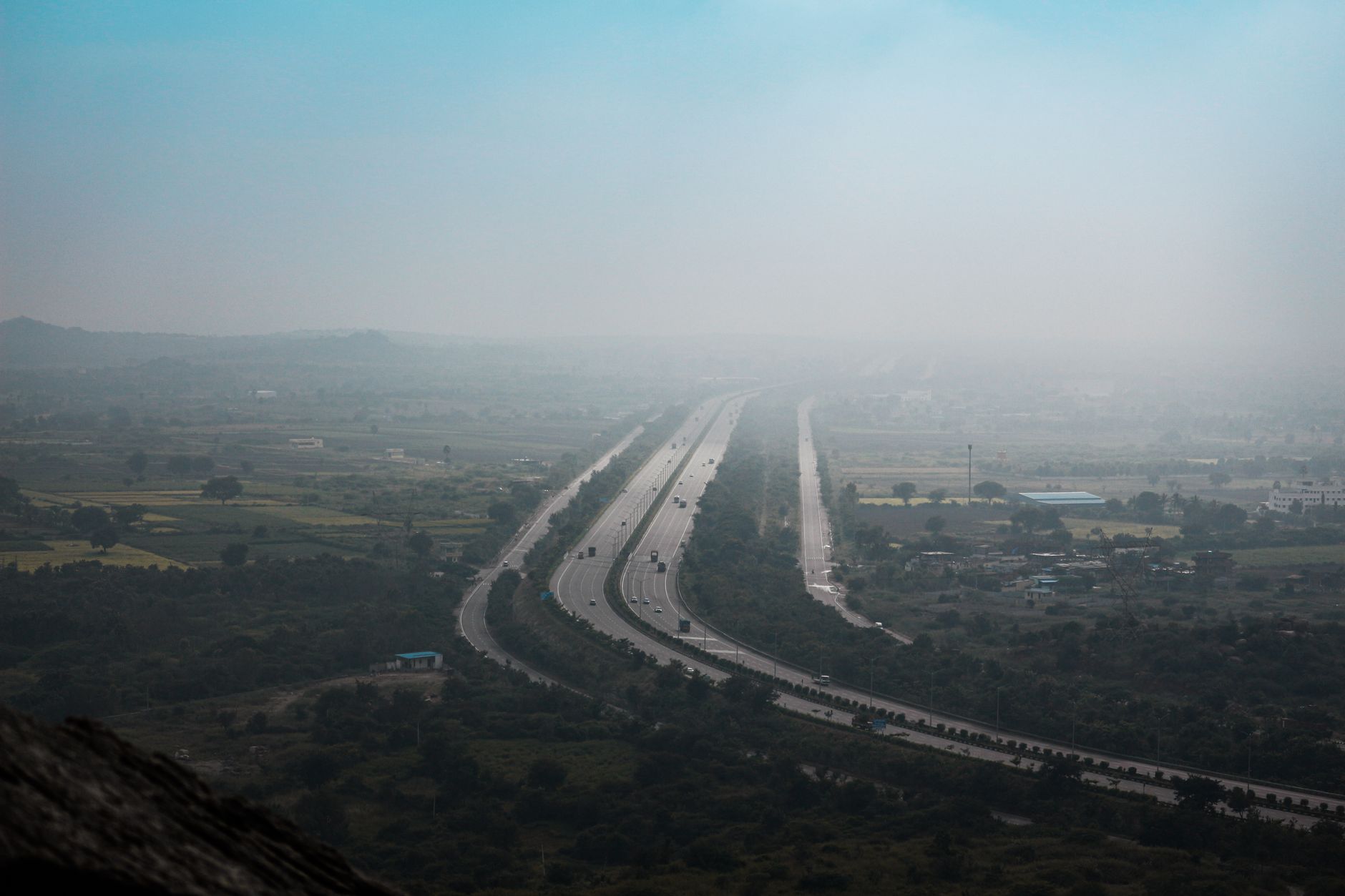
Many of India's most spectacular attractions remain difficult to access, requiring long journeys on poorly maintained roads. Destinations that could rival international hotspots lack the hotel capacity and amenities that modern travellers expect.
Economic Implications
The economic case for tourism investment is compelling. The sector is labour-intensive, creating employment opportunities across skill levels from rural areas to urban centres. Tourism spending creates ripple effects through transportation, food and beverage, retail, entertainment, and handicrafts sectors.
For a country seeking to create millions of jobs annually for its young population, tourism offers relatively quick returns on investment compared to manufacturing or other capital-intensive sectors. International tourist spending also brings valuable foreign exchange earnings.
Global Competition and Regional Context
India faces stiff competition from neighbouring countries that have prioritized tourism. Thailand attracts more than 35 million international visitors annually, while India receives fewer than 10 million despite having comparable or superior attractions. This gap represents both a challenge and an enormous opportunity.
The WTTC's recommendations come at a time when global travel is rebounding post-pandemic, with travellers seeking new experiences and destinations. India has a window of opportunity to position itself competitively by addressing structural bottlenecks.
Implementation Challenges
While the recommendations are clear, implementation requires coordination across multiple government departments, state governments, and private sector participation. Visa policies involve security considerations that must be balanced with openness. Infrastructure investments require substantial capital and long-term planning.
However, several Indian states have demonstrated that focused attention on tourism can yield results. Destinations that have invested in infrastructure and marketing have seen significant growth in both domestic and international visitors.
The WTTC's call to action represents an important moment for Indian policymakers to evaluate whether tourism receives the strategic priority it deserves. With the right reforms and investments, India's tourism sector could potentially double or triple its contribution to the national economy within a decade, creating millions of jobs and showcasing the country's extraordinary diversity to the world.