India's tourism industry is making a concerted push for comprehensive policy reforms aimed at creating a more seamless travel experience for international and domestic visitors. As the sector rebounds from pandemic disruptions, industry leaders are identifying critical gaps in infrastructure, visa processing, and regulatory frameworks that continue to hamper the country's competitiveness in the global tourism market.
The Case for Visa Reforms
One of the primary concerns raised by tourism stakeholders centers on India's visa system. Despite the introduction of e-visa facilities for numerous countries, industry representatives argue that the current framework remains cumbersome compared to competing destinations in Southeast Asia and the Middle East.
Key issues include processing delays, limited validity periods for certain visa categories, and restrictions on multiple entries for business and leisure travelers. The industry is advocating for expanded e-visa coverage to include more nationalities, faster processing times, and flexible visa-on-arrival options for citizens of key source markets.
Tourism operators point to examples like Thailand and Indonesia, where simplified visa processes have contributed to significant growth in international arrivals. Industry groups are urging the government to streamline documentation requirements and reduce the cost of tourist visas to make India a more attractive proposition for spontaneous travelers.
Infrastructure and Connectivity Challenges
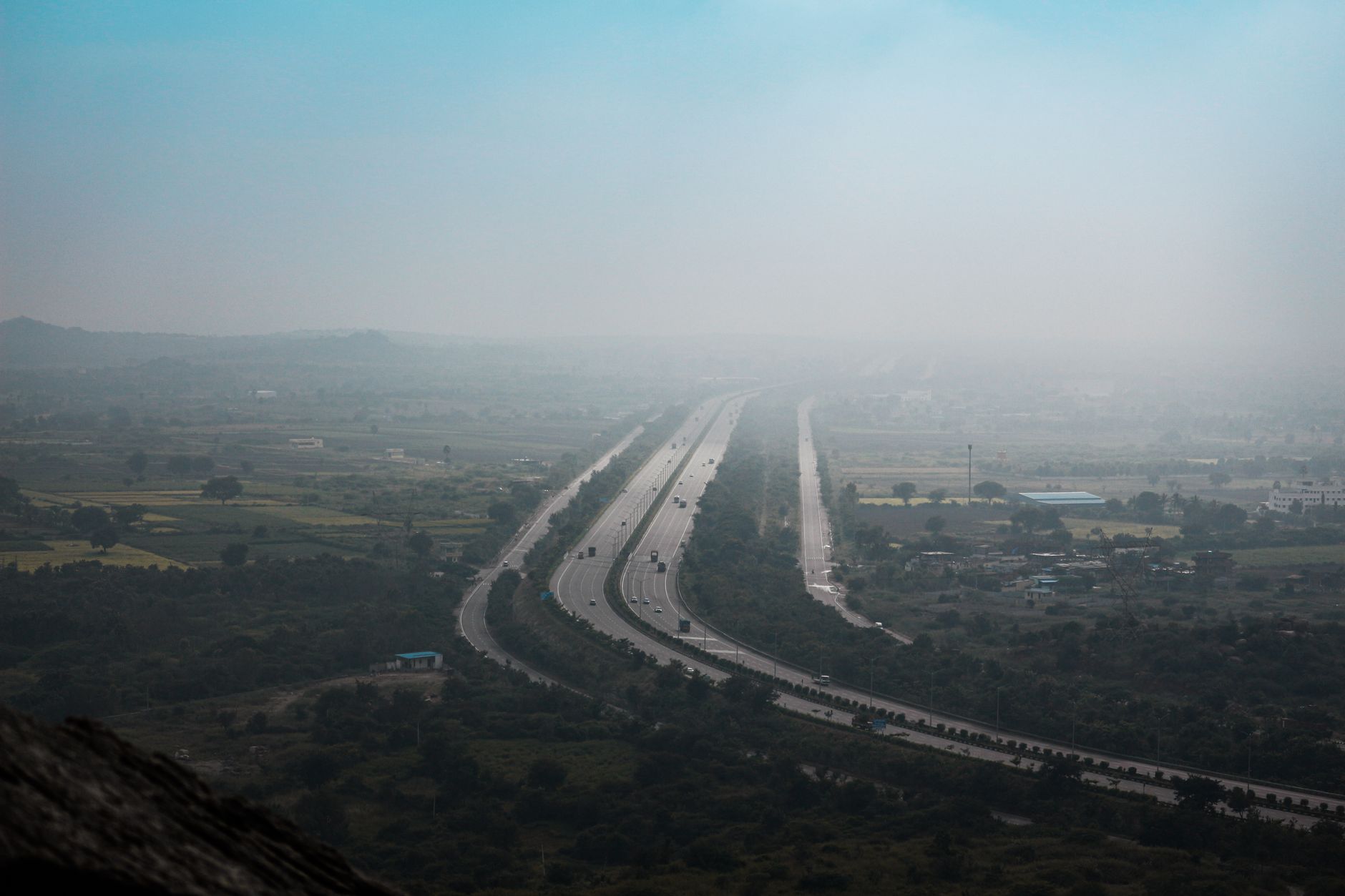
Beyond visa concerns, the tourism sector is highlighting infrastructure bottlenecks that affect the visitor experience. These include inadequate last-mile connectivity to heritage sites, limited availability of quality accommodation in tier-two and tier-three destinations, and gaps in tourist-friendly amenities like multilingual signage and information centers.
The industry is calling for coordinated development of tourism circuits that connect multiple attractions across regions. This would require investment in road networks, public transportation, and digital infrastructure to support navigation apps and online booking systems.
Airport capacity and connectivity also feature prominently in industry recommendations. While major metros have seen infrastructure upgrades, many destinations with significant tourism potential lack adequate air connectivity or modern airport facilities. Tourism bodies are advocating for incentives to encourage airlines to operate routes to emerging destinations.
Regulatory Simplification
Tourism businesses are seeking rationalization of multiple regulatory requirements that currently span central, state, and local jurisdictions. The compliance burden for hotels, tour operators, and travel agencies involves navigating various licenses, permits, and registrations across different government departments.
Industry representatives are proposing a single-window clearance system for tourism-related businesses, which would consolidate approvals and reduce the time and cost of regulatory compliance. This would be particularly beneficial for small and medium enterprises that form the backbone of India's tourism ecosystem.
Skills Development and Service Standards
Another area of focus is the need for standardized training programs and certification systems for tourism service providers. The industry acknowledges that inconsistent service quality remains a deterrent for repeat visitors and negative reviews on digital platforms can significantly impact destination reputation.
Proposals include establishing national standards for tour guides, hotel staff, and transport operators, backed by government-recognized training and certification programs. Industry bodies are willing to collaborate with educational institutions to develop curricula that address both technical skills and soft skills like cultural sensitivity and communication.
Digital Integration and Promotion
The tourism sector is also emphasizing the need for better digital integration across the travel value chain. This includes unified booking platforms for monuments and tourist sites, digital payment infrastructure in remote locations, and coordinated online marketing campaigns that showcase India's diverse offerings.
Industry stakeholders suggest that a comprehensive digital platform consolidating information about destinations, accommodation, transportation, and local experiences would significantly enhance the planning experience for international travelers unfamiliar with India's geography and cultural diversity.
Economic Impact and Employment
Tourism industry representatives are framing their policy requests within the broader context of economic development and employment generation. The sector's multiplier effect touches numerous ancillary industries including hospitality, transportation, handicrafts, and food services.
With proper policy support and infrastructure development, industry projections suggest India could significantly increase its share of global tourist arrivals, generating substantial foreign exchange earnings and creating millions of jobs across skill levels.
The coming months will reveal how responsive policymakers are to these industry recommendations, as India positions itself to capitalize on the global tourism recovery and compete effectively with established and emerging destinations in the region.