India's tourism sector stands at a critical juncture where policy reforms could unlock massive economic potential and create millions of jobs. The Federation of Associations in Indian Tourism and Hospitality (FAITH), representing major stakeholders across the travel ecosystem, has renewed its push for two key demands that could transform the country's tourism landscape.
The Case for Industry Status
Granting industry status to tourism has been a long-standing demand from sector representatives. Currently, tourism operates without the formal recognition enjoyed by manufacturing, infrastructure, or agriculture. This classification matters because industry status brings concrete benefits including easier access to credit, lower interest rates from financial institutions, and improved insurance coverage for tourism businesses.
Tourism enterprises often struggle to secure financing for expansion or modernization because banks view them as high-risk service businesses rather than productive industries. Industry status would enable hotels, tour operators, travel agencies, and hospitality training institutes to access priority sector lending and avail themselves of various government schemes designed for industrial growth.
The classification would also streamline regulatory compliance across states. Currently, tourism businesses navigate a complex web of licenses, permits, and clearances that vary dramatically by location. Unified industry status could lead to standardized regulations and single-window clearance mechanisms, reducing the bureaucratic burden on operators.
Understanding Brand Bharat
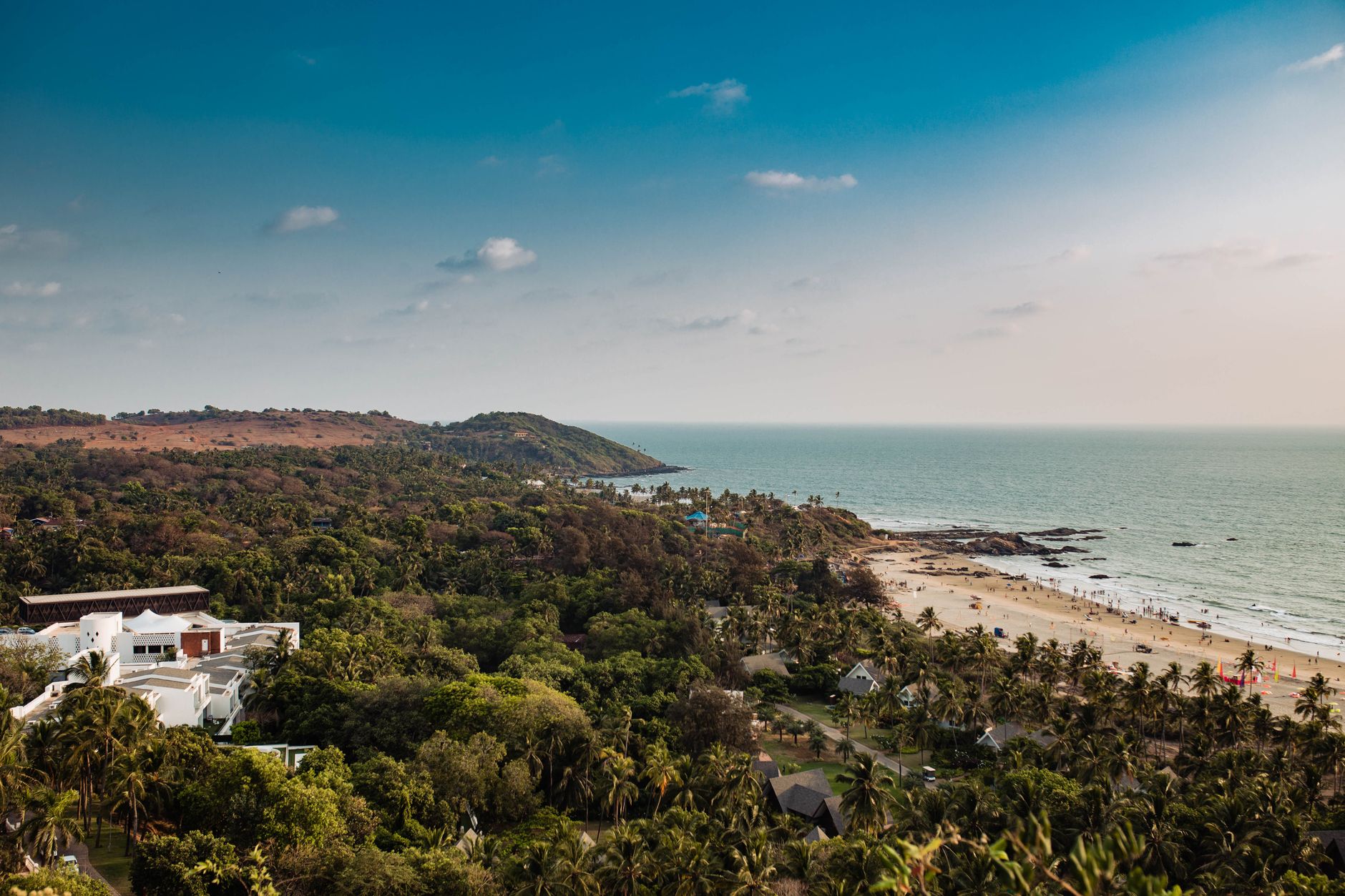
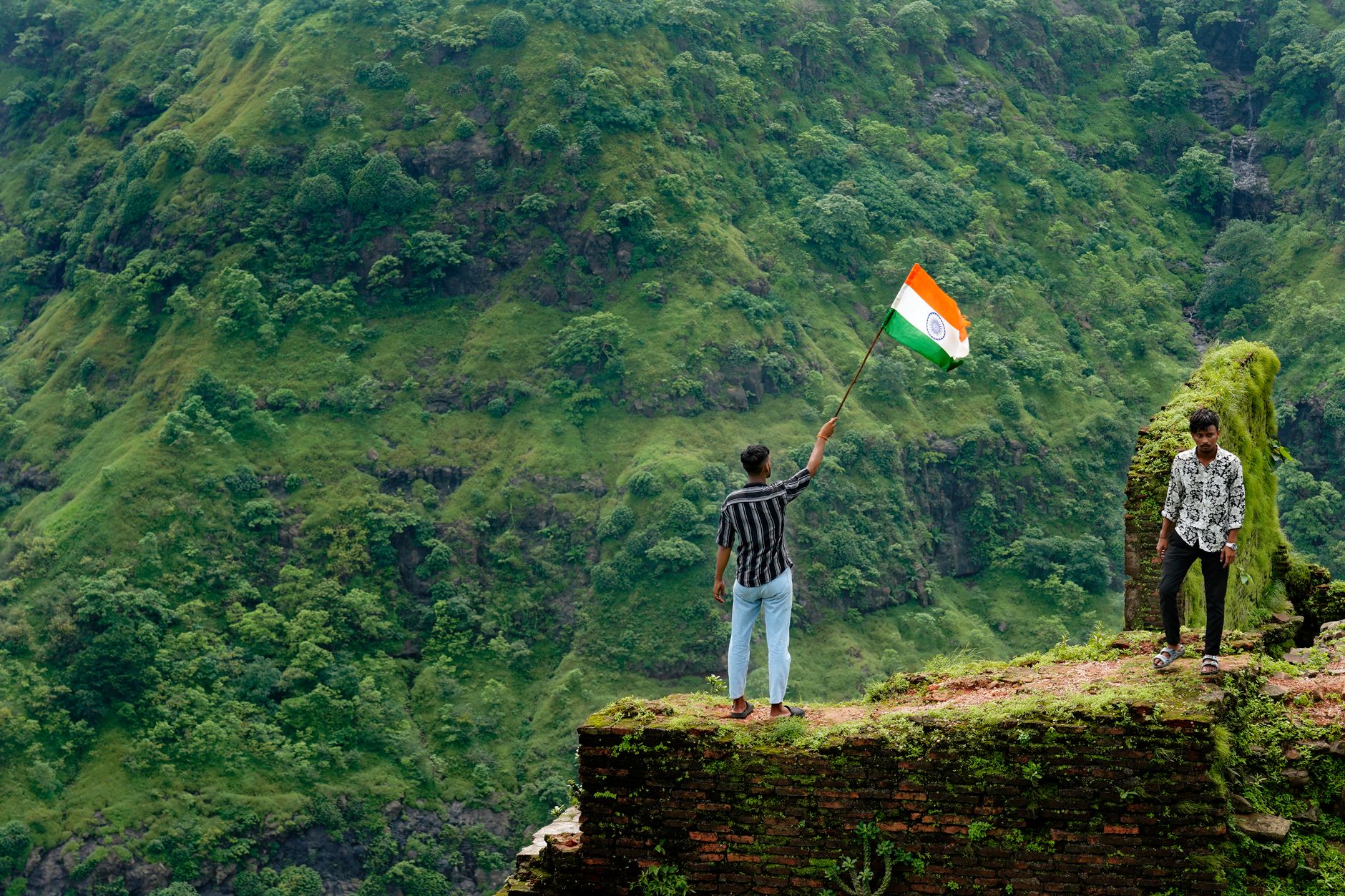
The "Brand Bharat" initiative represents a coordinated effort to market India's diverse tourism offerings under a cohesive national identity. Rather than fragmented state-level campaigns or destination-specific promotions, Brand Bharat aims to position India holistically as a must-visit destination combining heritage, spirituality, adventure, wellness, and modern experiences.
This branding approach recognizes that India competes globally with countries that have successfully created strong destination brands. Thailand marketed itself as the "Land of Smiles," Malaysia promoted "Truly Asia," and Singapore built its reputation for efficiency and cleanliness. Brand Bharat would similarly create a recognizable identity that resonates with international travelers while celebrating India's unique cultural tapestry.
The concept also aligns with broader government initiatives to promote indigenous culture, crafts, and experiences. It emphasizes authentic Indian hospitality, regional cuisines, traditional wellness practices like Ayurveda and Yoga, and the country's 5,000-year civilizational heritage.
Economic Impact and Job Creation
Tourism contributes significantly to India's economy, accounting for approximately seven to eight percent of GDP and employing over 40 million people directly and indirectly. However, experts believe this contribution could double with the right policy support and infrastructure development.
The sector creates employment across skill levels, from entry-level hospitality positions to specialized roles in heritage conservation, tour management, and digital marketing. Rural and semi-urban areas particularly benefit from tourism-related jobs, providing income opportunities beyond agriculture and reducing urban migration pressures.
Infrastructure and Investment Needs
For both industry status and Brand Bharat to succeed, substantial infrastructure improvements are necessary. Key areas requiring investment include:
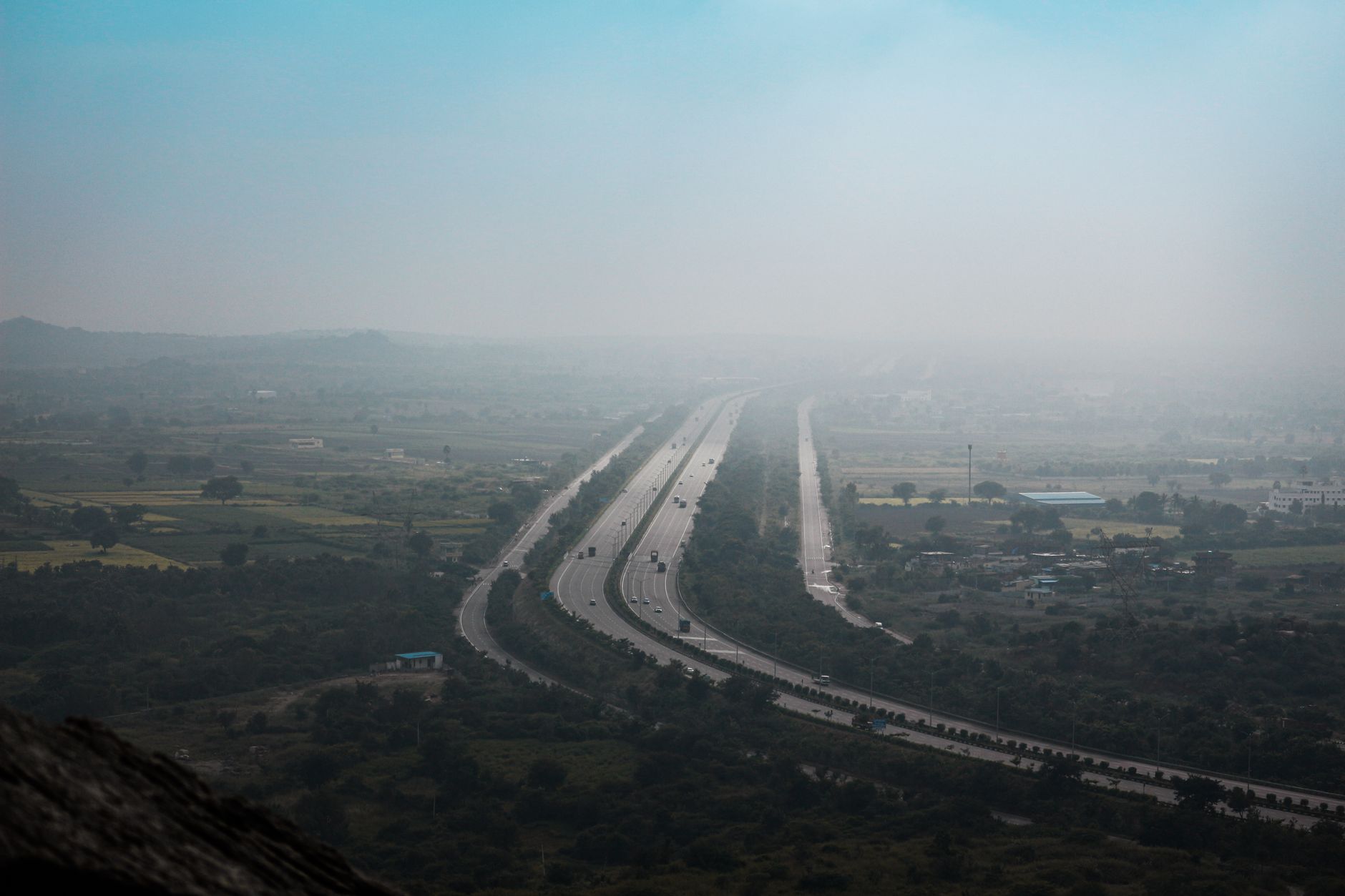
- Connectivity to tier-two and tier-three tourist destinations through better roads, rail links, and regional airports
- Modernization of heritage sites with visitor facilities while preserving authenticity
- Development of tourist circuits that encourage multi-destination visits and longer stays
- Training institutes to build a skilled workforce capable of delivering world-class service
- Digital infrastructure for seamless booking, payments, and traveler information systems
Challenges Ahead
Despite the compelling arguments, implementing these changes faces obstacles. Granting industry status requires coordination between central and state governments, as tourism falls under concurrent jurisdiction. States may resist standardized regulations that limit their autonomy in managing local tourism resources.
Building a unified Brand Bharat while respecting regional diversity also presents creative challenges. India's appeal lies partly in its variety—the backwaters of Kerala differ vastly from the mountains of Ladakh or the temples of Tamil Nadu. The branding must celebrate this diversity rather than homogenize it.
The Path Forward
FAITH's demands come at an opportune moment as international travel rebounds post-pandemic and India assumes greater prominence on the global stage. The government's focus on infrastructure development through initiatives like the Gati Shakti program and increased budgetary allocations for tourism development signal potential receptiveness to sector demands.
Success will require sustained dialogue between industry representatives, policymakers, and state governments to create frameworks that balance national branding with local autonomy, and industry benefits with sustainable tourism practices. The coming months will reveal whether these longstanding demands translate into concrete policy action that positions India as a truly competitive global tourism powerhouse.