Thailand has reaffirmed its commitment to attracting Indian tourists by continuing its visa-free entry policy, even as the Southeast Asian nation grapples with a significant downturn in overall tourist arrivals. The decision underscores India's strategic importance as one of Thailand's fastest-growing source markets for international visitors.
The New 30-Day Visa-Free Framework
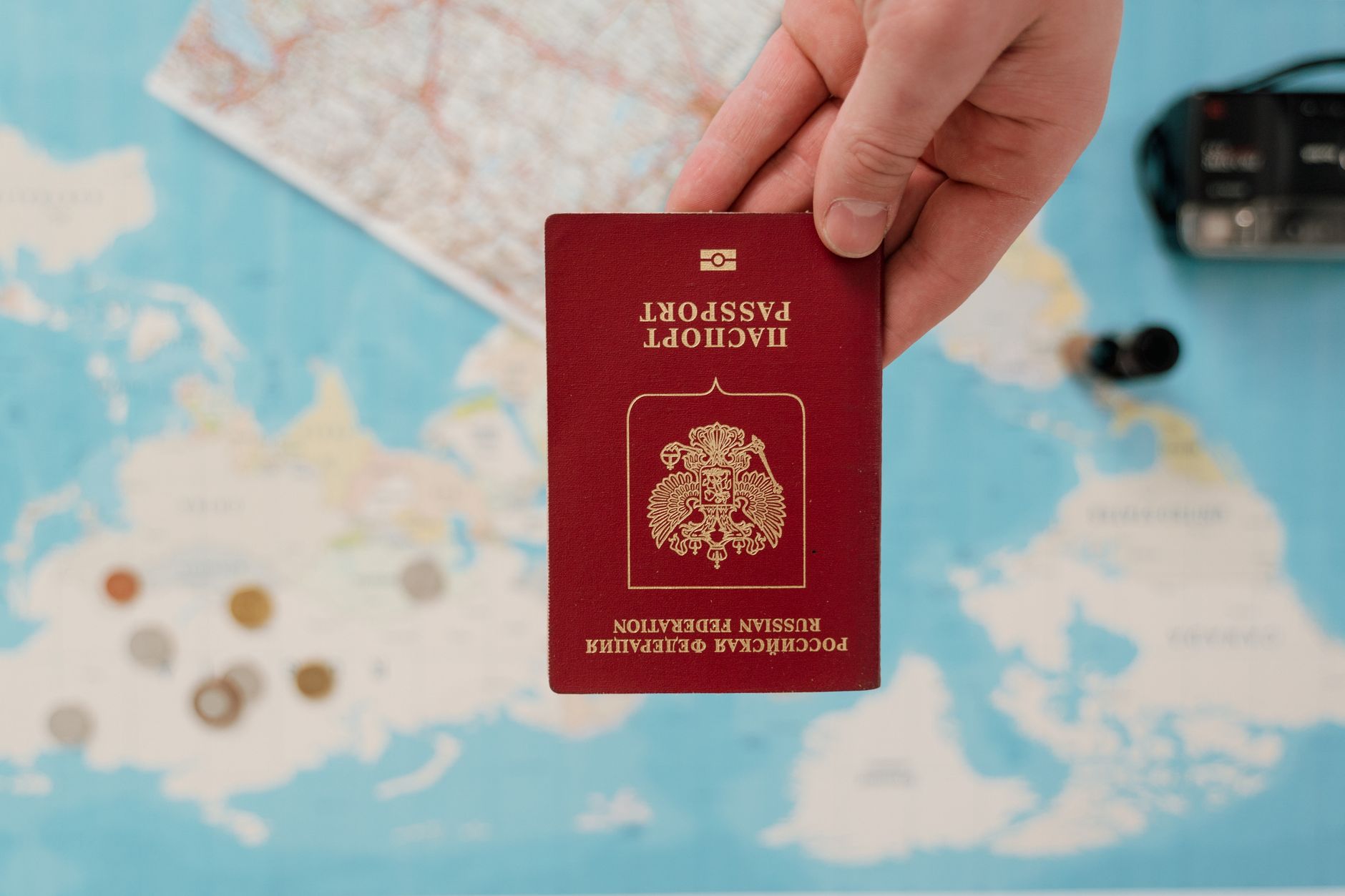
Under the updated regulations, Indian passport holders can now enter Thailand without a visa and stay for up to 30 days, a substantial increase from previous shorter-stay arrangements. This extension applies to tourists entering through air, land, and sea borders, making Thailand more accessible than ever for Indian travellers.
The visa-free privilege is available for tourism, business meetings, and short-term visits, though it excludes employment or extended study purposes. Visitors must possess a passport valid for at least six months, have proof of onward travel, and demonstrate sufficient funds for their stay.
Why Thailand Prioritises the Indian Market
India has emerged as a cornerstone of Thailand's tourism recovery strategy for several compelling reasons:
- Growing middle class with increasing disposable income and appetite for international travel
- Strong cultural and religious connections, with Thailand's Buddhist heritage resonating with Indian visitors
- Relatively short flight times, with Bangkok just 4-5 hours from major Indian cities
- Favourable exchange rates making Thailand an affordable destination
- Family-friendly attractions, shopping opportunities, and diverse culinary experiences
Before the global travel disruptions, Indian arrivals to Thailand were growing at double-digit rates annually. The visa-free policy aims to recapture this momentum and potentially exceed previous benchmarks.
Impact on Travel Planning and Itineraries
The 30-day window fundamentally changes how Indian travellers can experience Thailand. Previously, shorter visa-free stays or the need for visa applications limited spontaneity and extended exploration. Now, visitors can craft more comprehensive itineraries that go beyond the typical Bangkok-Pattaya-Phuket circuit.
This extended period enables travellers to explore lesser-known destinations such as Chiang Rai, Krabi, Koh Samui, and the historical sites of Ayutthaya at a leisurely pace. Families can plan month-long vacations without the pressure of rushed sightseeing, while digital nomads and remote workers can test Thailand as a temporary base.
For business travellers, the 30-day allowance facilitates extended negotiations, multiple city visits, and deeper professional relationship-building without the administrative burden of visa applications.
Addressing the Tourism Decline
Despite Thailand's welcoming policies, the nation faces challenges in restoring pre-pandemic tourism levels. Factors contributing to the slowdown include global economic uncertainty, inflation affecting travel budgets, increased competition from other Southeast Asian destinations, and rising costs within Thailand itself.
The visa-free extension for Indian nationals represents Thailand's proactive response to these headwinds. By eliminating bureaucratic barriers for one of the world's largest outbound travel markets, Thailand positions itself advantageously against competitors like Vietnam, Malaysia, and Indonesia, which have also liberalised their visa policies.
Practical Considerations for Travellers
Indian visitors should note several important aspects of the visa-free arrangement. The 30-day stay is strictly enforced, with overstays resulting in fines and potential travel bans. Extensions beyond 30 days require applying for a tourist visa at Thai immigration offices, typically allowing an additional 30 days.
Travellers planning multiple visits should be aware that visa-free entries may be subject to scrutiny if used repeatedly within short timeframes, as authorities monitor for potential misuse of tourist privileges for unofficial work or residence.
Travel insurance remains advisable, as medical costs in Thailand can be substantial. Additionally, maintaining digital or physical copies of accommodation bookings and return tickets helps smooth the immigration process.
Future Outlook
Thailand's tourism authority has set ambitious targets for Indian arrivals, aiming to welcome over two million Indian tourists annually. The visa-free policy forms part of a broader strategy including direct flight expansions, Bollywood film promotions shot in Thailand, and marketing campaigns tailored to Indian preferences.
As global travel patterns continue evolving, Thailand's willingness to adapt its visa policies demonstrates the nation's recognition of India's growing significance in international tourism. For Indian travellers, this translates into unprecedented freedom to explore the Land of Smiles on their own terms.