Taiwan is stepping up its efforts to attract Indian tourists through a strategic shift in how it engages with travel trade professionals. The Taiwan Tourism Administration has introduced a co-funded familiarisation (FAM) trip model, marking a departure from traditional fully-funded promotional tours that have long been the industry standard.
Understanding the FAM Trip Model
Familiarisation trips have been a cornerstone of tourism promotion for decades. These trips allow travel agents, tour operators, and industry professionals to experience destinations first-hand, enabling them to sell packages more effectively to their clients. Traditionally, destination marketing organisations bear the entire cost of these trips, covering flights, accommodation, meals, and activities for participants.
The co-funded model represents a hybrid approach where costs are shared between the tourism board and participating travel trade professionals or their companies. This structure typically demonstrates greater commitment from participants, as they have financial skin in the game, while still making the trips more accessible than fully self-funded visits.
Why India Matters to Taiwan
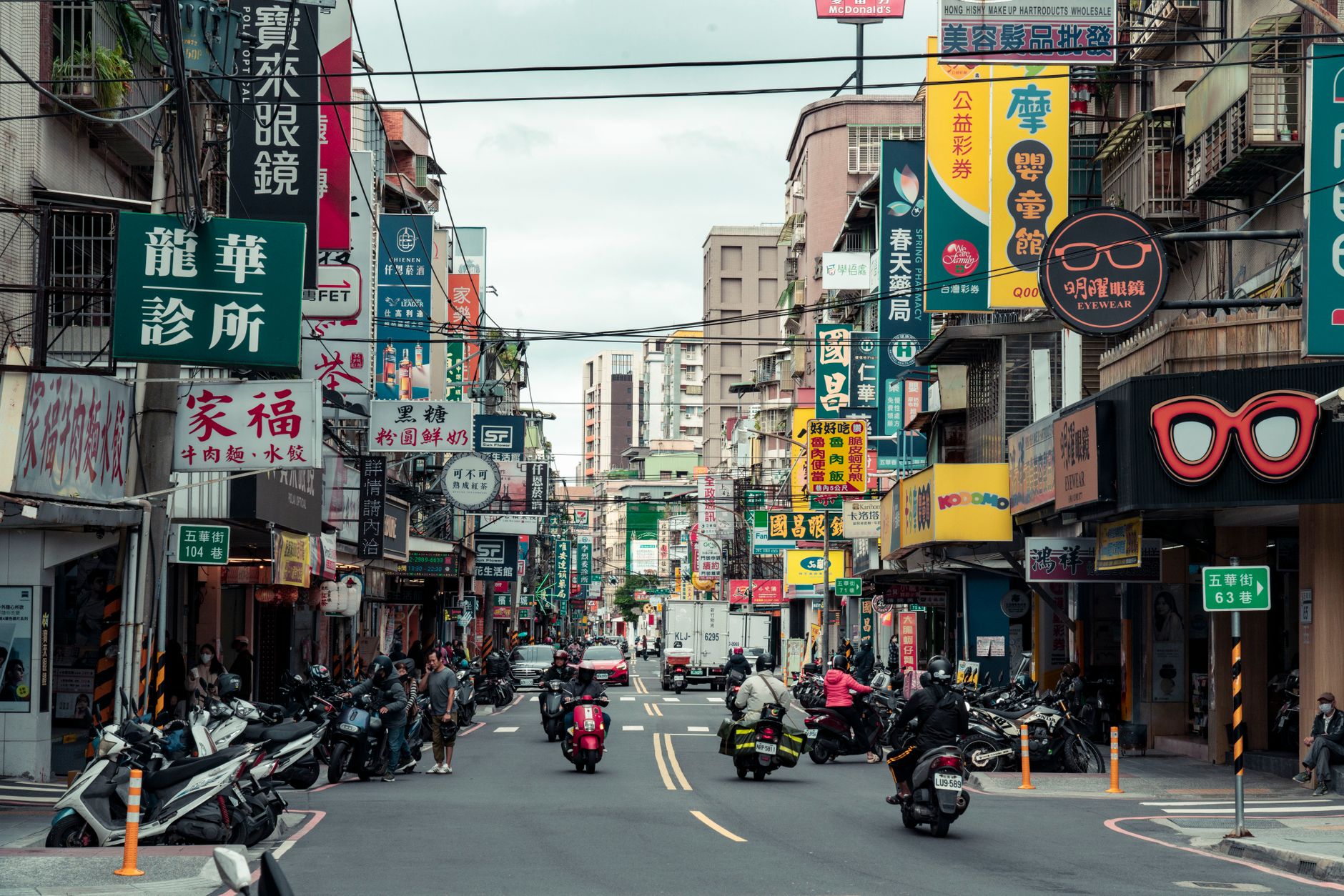
India has emerged as one of the fastest-growing outbound tourism markets globally. With a rising middle class, increased disposable income, and a growing appetite for international travel, Indian tourists represent a significant opportunity for destinations worldwide. Taiwan, with its blend of modern cities, scenic landscapes, rich cultural heritage, and renowned night markets, offers diverse attractions that appeal to Indian travellers.
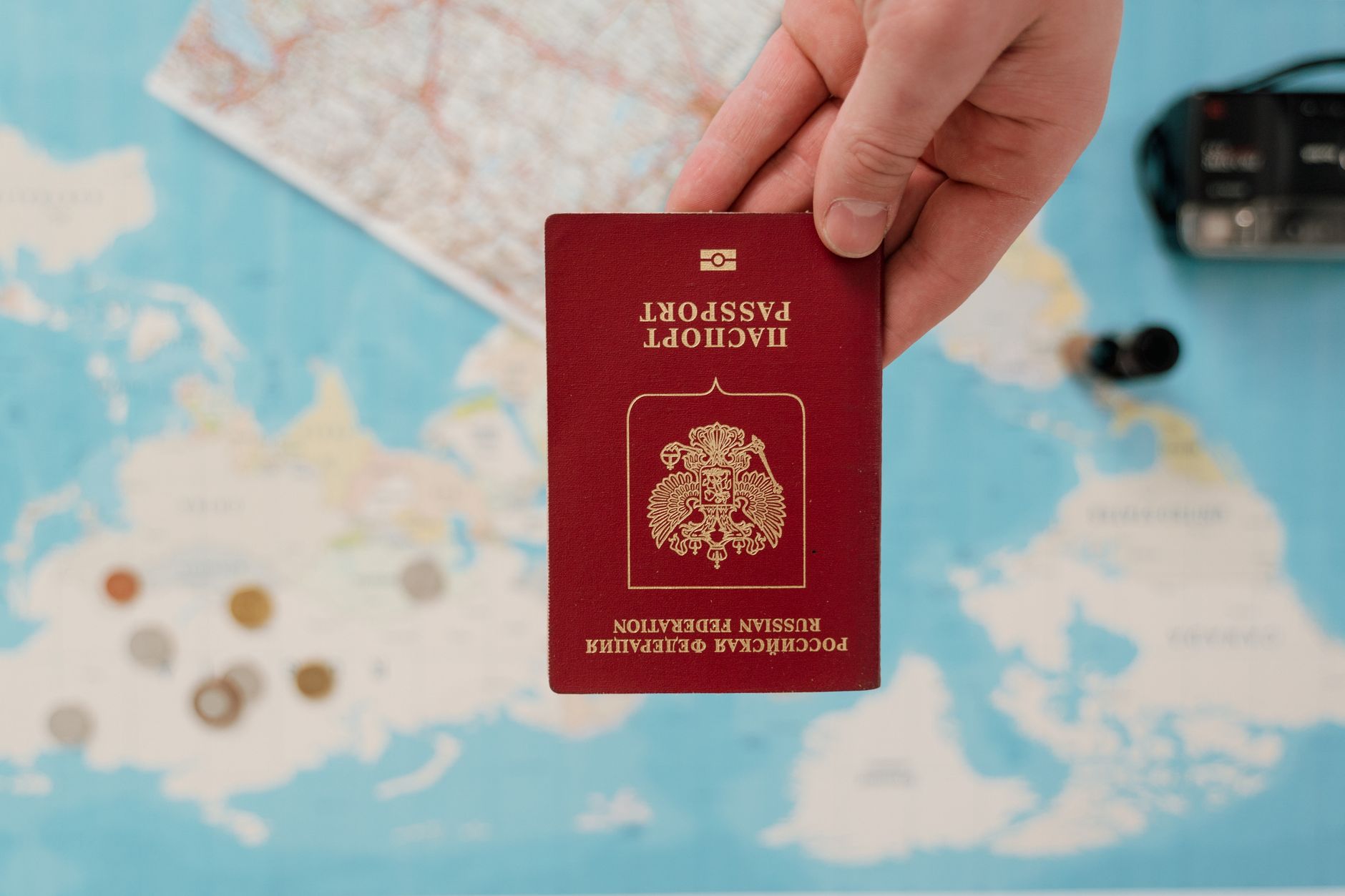
The visa-free entry for Indian citizens visiting Taiwan for up to 14 days, implemented in recent years, has already lowered barriers to travel. However, awareness about Taiwan as a destination remains relatively limited in India compared to more established Asian destinations like Thailand, Singapore, or Malaysia.
Benefits of the Co-Funded Approach
The shared-cost model offers several advantages over traditional fully-funded FAM trips. Participants who contribute financially typically demonstrate higher engagement levels and are more likely to actively promote the destination upon return. This creates a more qualified pool of travel trade professionals genuinely interested in developing Taiwan-focused products.
For the Taiwan Tourism Administration, this approach allows resources to be stretched further, potentially accommodating more FAM trips throughout the year or reaching a broader range of travel trade professionals across different Indian cities. It also helps filter participants who are serious about adding Taiwan to their portfolio versus those merely seeking a free vacation.
Components of Effective Travel Trade Engagement
Beyond FAM trips, comprehensive travel trade engagement typically includes several elements. Training programmes help agents understand destination specifics, from best travel seasons to hidden gems tourists should not miss. Sales incentive schemes reward agents who successfully sell Taiwan packages, creating ongoing motivation beyond the initial FAM trip experience.
Co-marketing opportunities allow travel companies to leverage Taiwan Tourism Administration resources for their promotional activities, whether through joint advertising, social media campaigns, or participation in travel fairs. Digital tools, including agent portals with downloadable content, itinerary builders, and updated information, support day-to-day selling activities.
The Indian Travel Trade Landscape
India's travel trade ecosystem is diverse and fragmented, with thousands of travel agencies spread across metro cities, tier-two cities, and smaller towns. While large online travel agencies command significant market share, traditional brick-and-mortar agents still play a crucial role, particularly for international travel requiring visas, complex itineraries, or specialised services.
Regional variations are significant. Travel preferences in North India differ from those in South India, and agents in different regions have varying levels of familiarity with different international destinations. A strategic engagement programme must account for this diversity, potentially requiring multiple FAM trips targeting different geographic markets within India.
Measuring Success
The effectiveness of FAM trips and travel trade engagement is typically measured through several metrics. Immediate outcomes include the number of Taiwan packages created by participating agents and social media content generated during and after trips. Medium-term indicators track actual bookings and tourist arrivals attributable to participating agents.
Long-term success involves sustained growth in Indian tourist arrivals to Taiwan, increased average spending per tourist, and improved destination awareness scores in market research. The quality of tourists—measured by their spending patterns and distribution across Taiwan's regions—matters as much as raw numbers.
Looking Forward
Taiwan's adoption of a co-funded FAM model reflects broader trends in destination marketing, where accountability and return on investment receive greater emphasis. As competition for Indian tourists intensifies, destinations must demonstrate not just appeal but also strong trade partnerships that translate awareness into actual bookings.
For Indian travel trade professionals, this presents an opportunity to deepen expertise in an emerging destination with significant potential. Those who invest early in building Taiwan knowledge and packages may gain first-mover advantages in what could become a growing market segment.