Taiwan's tourism authorities are breaking new ground in destination marketing by introducing a co-investment familiarization (FAM) trip model specifically targeting the Indian travel trade. This innovative approach represents a significant shift from traditional FAM tours, where tourism boards typically bear all costs, and signals Taiwan's commitment to capturing a larger share of India's burgeoning outbound tourism market.
Understanding the Co-Investment FAM Model
Familiarization trips have long been a cornerstone of tourism marketing, allowing travel agents, tour operators, and media representatives to experience destinations firsthand. However, Taiwan's new model introduces a shared financial responsibility between the tourism board and participating Indian travel professionals.
Under this arrangement, both parties contribute to trip costs, creating a partnership approach rather than a purely promotional exercise. The co-investment structure typically involves Taiwan's tourism authorities covering a portion of expenses such as accommodation, local transportation, and site visits, while Indian participants invest in their international airfare and a percentage of ground costs.
Why Taiwan Is Focusing on India
India has emerged as one of the world's fastest-growing outbound tourism markets, with millions of Indian travelers exploring international destinations annually. Taiwan recognizes several factors making Indian tourists particularly attractive:
- Rising disposable incomes among India's expanding middle class
- Increasing interest in East Asian destinations beyond traditional favorites like Thailand and Singapore
- Growing appetite for cultural tourism, nature experiences, and culinary adventures
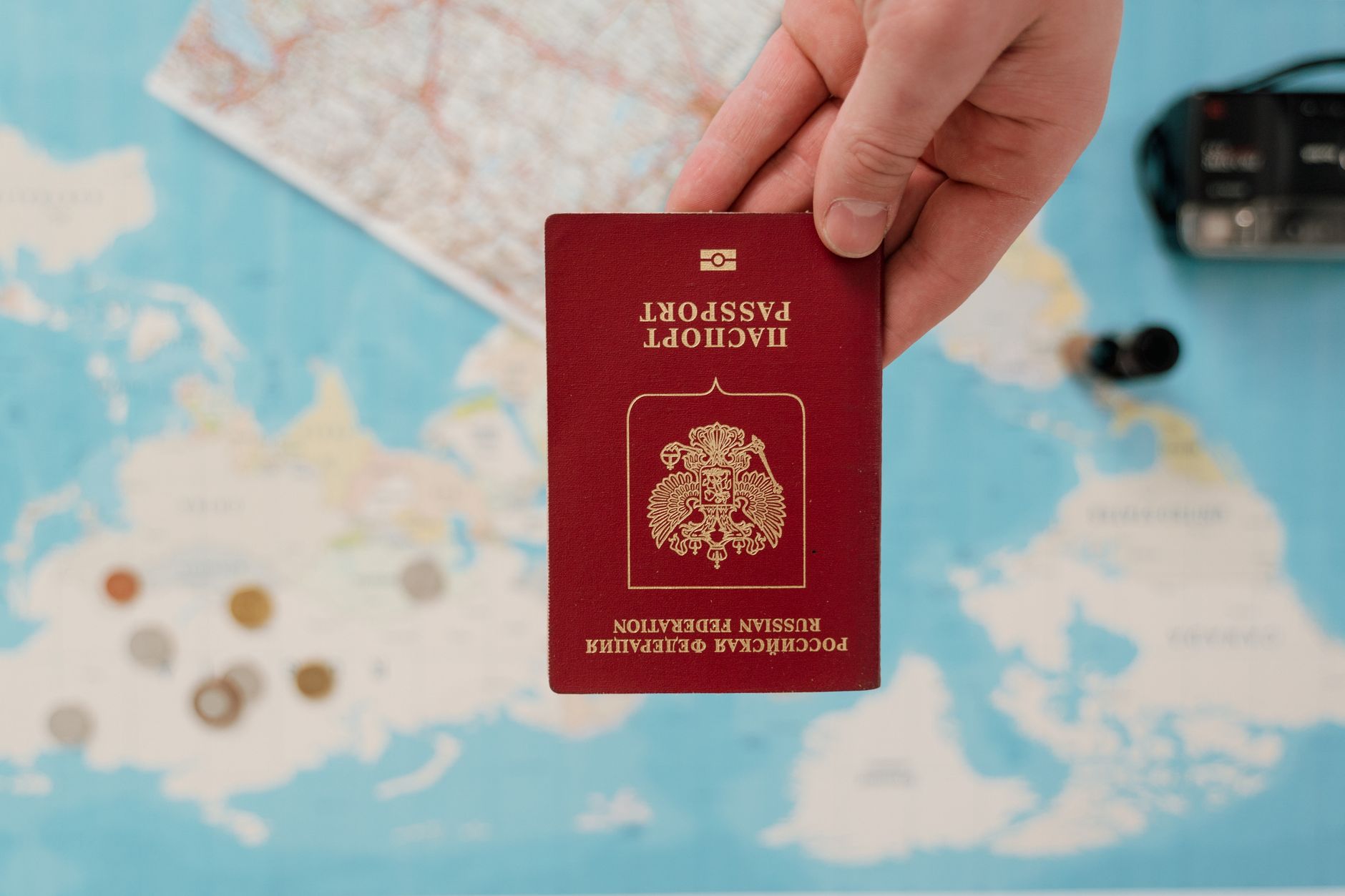
- Favorable visa policies that Taiwan has implemented for Indian passport holders
Taiwan offers Indian travelers a unique blend of Chinese cultural heritage, Japanese colonial influences, indigenous traditions, stunning natural landscapes, and world-renowned night markets. The island nation's compact size makes it ideal for week-long itineraries, perfectly suited to Indian vacation patterns.
Benefits of the Co-Investment Approach
The co-investment model offers advantages over traditional fully-funded FAM trips. When travel professionals invest their own money, they demonstrate genuine business interest and commitment to promoting the destination. This financial stake often translates to more focused engagement during the trip and stronger follow-through in marketing Taiwan packages upon return.
For Taiwan's tourism authorities, the model allows them to work with serious industry partners who are financially invested in developing Taiwan business. It also enables them to conduct more frequent FAM trips with distributed costs, potentially reaching more Indian markets including tier-two and tier-three cities where outbound tourism is rapidly growing.
Participating Indian travel agents and tour operators gain hands-on destination knowledge, establish direct relationships with Taiwanese hotels and attractions, and receive preferential rates and partnership terms that can enhance their competitiveness in selling Taiwan packages.
What Indian Travel Professionals Can Expect
FAM trips to Taiwan typically showcase the destination's diverse offerings across multiple days. Participants usually experience Taipei's vibrant urban culture, historic sites like the National Palace Museum, natural wonders such as Taroko Gorge or Sun Moon Lake, and cultural experiences including temple visits and traditional performances.
The itineraries are designed to help travel professionals understand how to position Taiwan for different Indian traveler segments—from families and honeymooners to adventure seekers and cultural enthusiasts. Participants also receive training on Taiwan's tourism infrastructure, transportation systems, and practical information needed to design compelling tour packages.
Impact on India-Taiwan Tourism Relations
This initiative reflects Taiwan's strategic approach to diversifying its tourism source markets. While the island has traditionally drawn heavily from mainland China, Japan, and Southeast Asia, developing the Indian market offers significant long-term potential.
The co-investment model may also set a precedent for other destinations seeking to engage meaningfully with the Indian travel trade. As India's outbound tourism sector becomes increasingly sophisticated, destinations are recognizing that Indian travel professionals value partnerships over passive participation.
For Indian travelers, this initiative should eventually translate to more competitive Taiwan tour packages, better-informed travel consultants, and increased awareness of Taiwan as a compelling Asian destination. As more Indian travel companies develop Taiwan expertise through these FAM programs, consumer choice and service quality are likely to improve.
The success of this model could pave the way for expanded tourism cooperation between Taiwan and India, potentially including direct flight routes from more Indian cities, simplified visa processes, and collaborative marketing campaigns targeting Indian travelers through digital platforms and traditional media.