Maharashtra, home to India's financial capital Mumbai and an array of UNESCO World Heritage sites, is embarking on an ambitious campaign to transform its tourism landscape by 2026. The state's tourism board recently showcased its diverse offerings at the prestigious WOW Awards Asia, signaling a bold strategy to capture a larger share of the global travel market.
A Multi-Pronged Tourism Strategy
The Maharashtra tourism initiative focuses on four key pillars that leverage the state's unique strengths. First, the MICE sector—Meetings, Incentives, Conferences, and Exhibitions—represents a high-value segment that Maharashtra is uniquely positioned to serve. With world-class convention facilities in Mumbai and Pune, coupled with excellent connectivity and hospitality infrastructure, the state aims to compete with established Asian MICE destinations like Singapore and Bangkok.
The destination wedding market forms the second pillar of this strategy. As couples increasingly seek memorable and Instagram-worthy venues for their nuptials, Maharashtra offers an eclectic mix of options. From grand heritage forts in Raigad to luxury beach resorts along the Konkan coast, and from vineyard estates in Nashik to opulent palace hotels, the state provides diverse backdrops that cater to both domestic and international wedding tourism.
Leveraging UNESCO Heritage
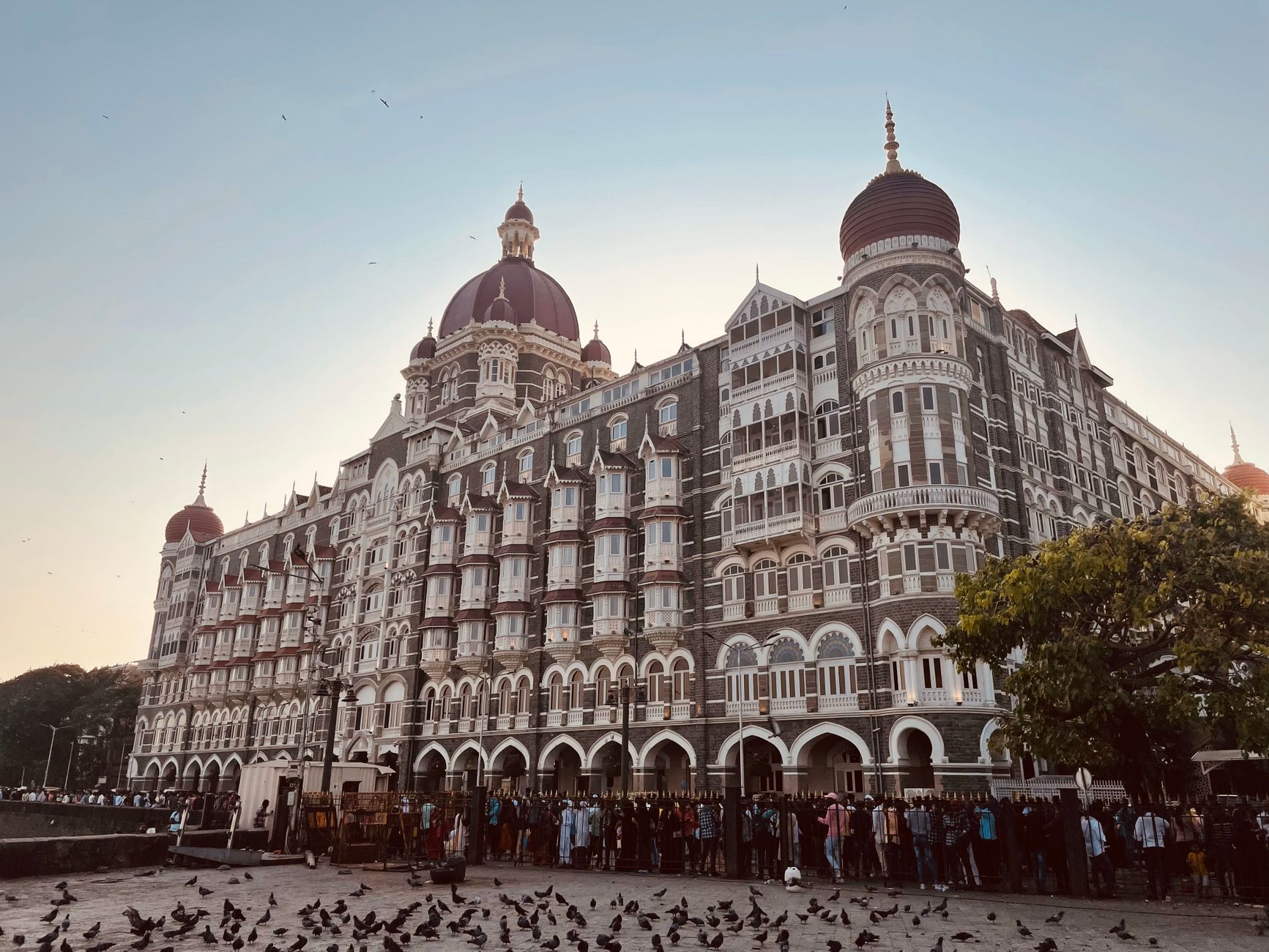
Maharashtra boasts an impressive collection of UNESCO World Heritage Sites that form the backbone of its cultural tourism appeal. The Ajanta and Ellora Caves, architectural marvels featuring ancient Buddhist, Hindu, and Jain rock-cut temples and monasteries, draw history enthusiasts from around the world. The Victorian Gothic and Art Deco Ensembles of Mumbai represent a more recent addition to this prestigious list, showcasing the city's colonial architectural heritage.
The Chhatrapati Shivaji Maharaj Terminus, formerly Victoria Terminus, stands as an iconic example of Victorian Gothic Revival architecture blended with traditional Indian elements. These sites not only attract cultural tourists but also provide opportunities for educational tourism and specialized heritage tours.
Beyond the Usual Tourist Trail
While Mumbai remains the gateway for most visitors, Maharashtra's tourism push extends to lesser-known destinations that offer authentic experiences. The hill stations of Lonavala, Mahabaleshwar, and Matheran provide respite from urban chaos. The wildlife sanctuaries and tiger reserves, including Tadoba-Andhari Tiger Reserve, appeal to nature enthusiasts and wildlife photographers.
The state's emerging wine tourism sector, centered around Nashik, has gained traction among domestic tourists and could attract international oenophiles seeking alternatives to traditional wine regions. Adventure tourism opportunities in the Western Ghats, including trekking and monsoon tourism, add another dimension to Maharashtra's offerings.
Infrastructure and Connectivity Improvements
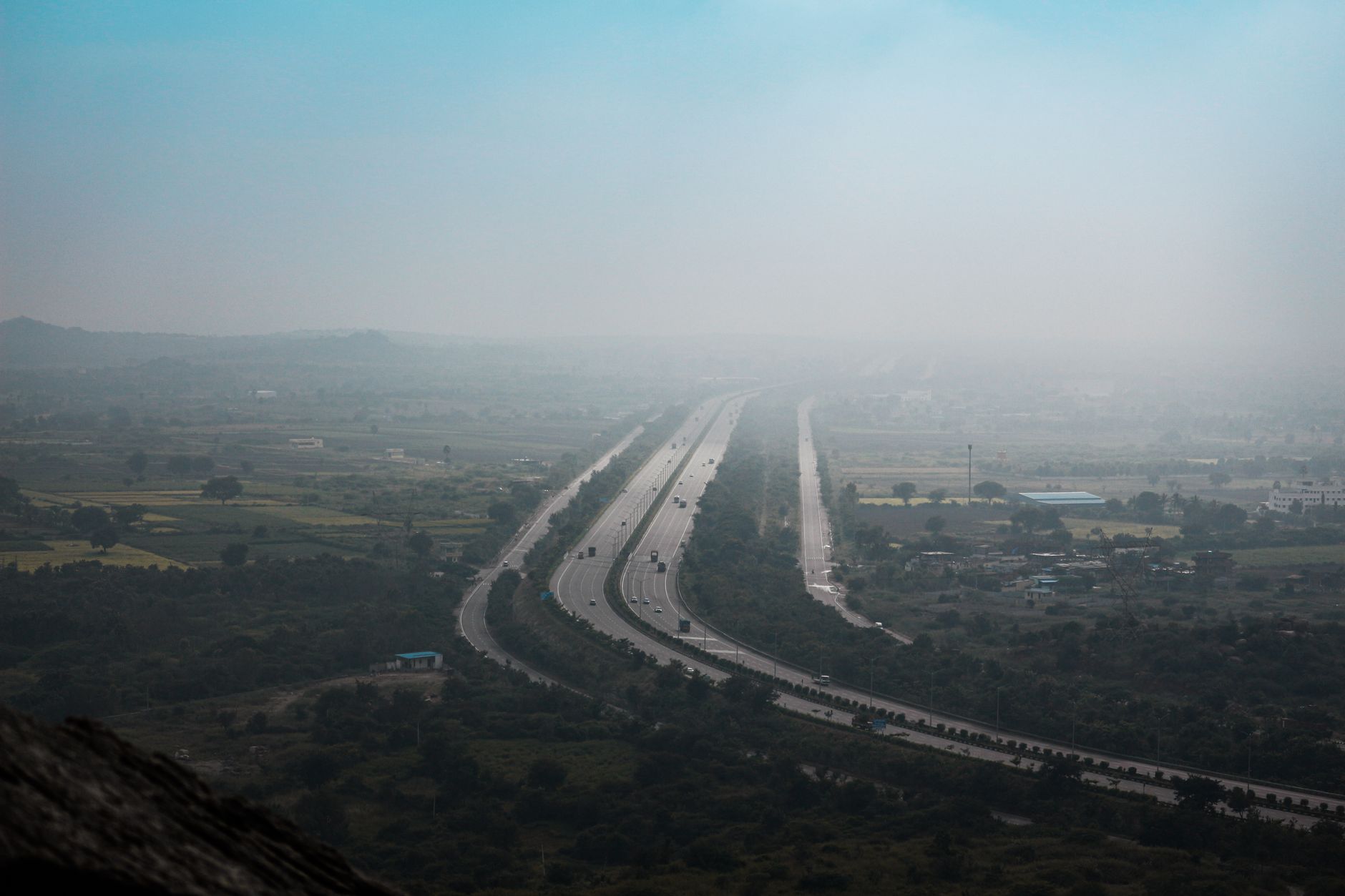
The 2026 timeline suggests Maharashtra is working against a deadline, likely aligned with broader national tourism goals. Recent infrastructure investments include airport expansions, improved road connectivity to tourist destinations, and enhanced digital infrastructure for seamless tourist experiences. The Mumbai-Nagpur Expressway and other road projects are cutting travel times significantly, making previously remote destinations more accessible.
Challenges and Opportunities
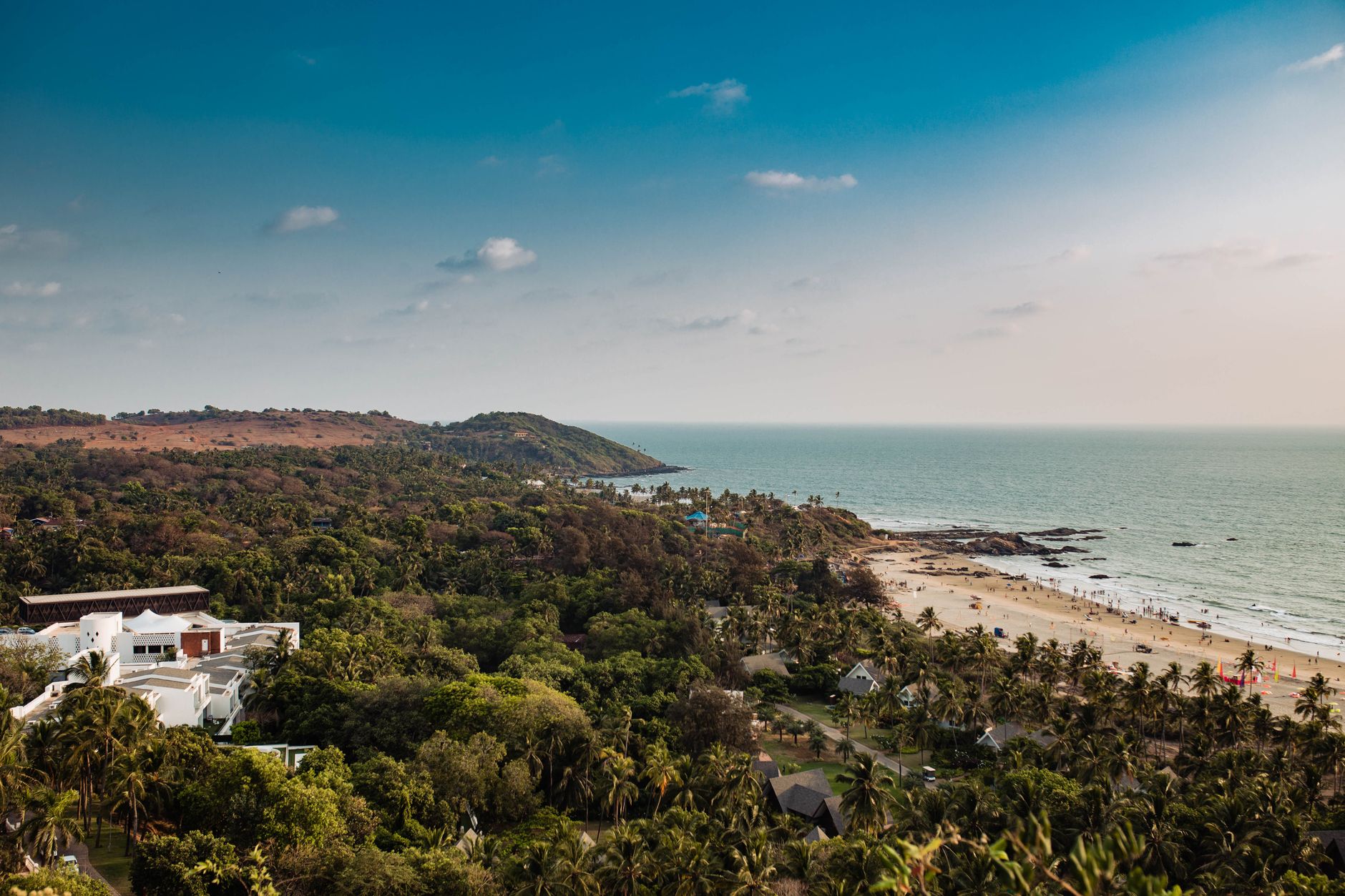
Despite its advantages, Maharashtra faces competition from other Indian states also vying for tourism dollars, including Rajasthan with its desert palaces, Kerala with its backwaters, and Goa with its beaches. The state must differentiate itself through unique experiences and superior service standards.
The focus on MICE and destination weddings represents a smart strategy, as these segments generate higher per-tourist revenue compared to traditional leisure travel. Business travelers often extend stays for leisure, creating opportunities for cross-selling various tourism products.
The Global Tourism Context
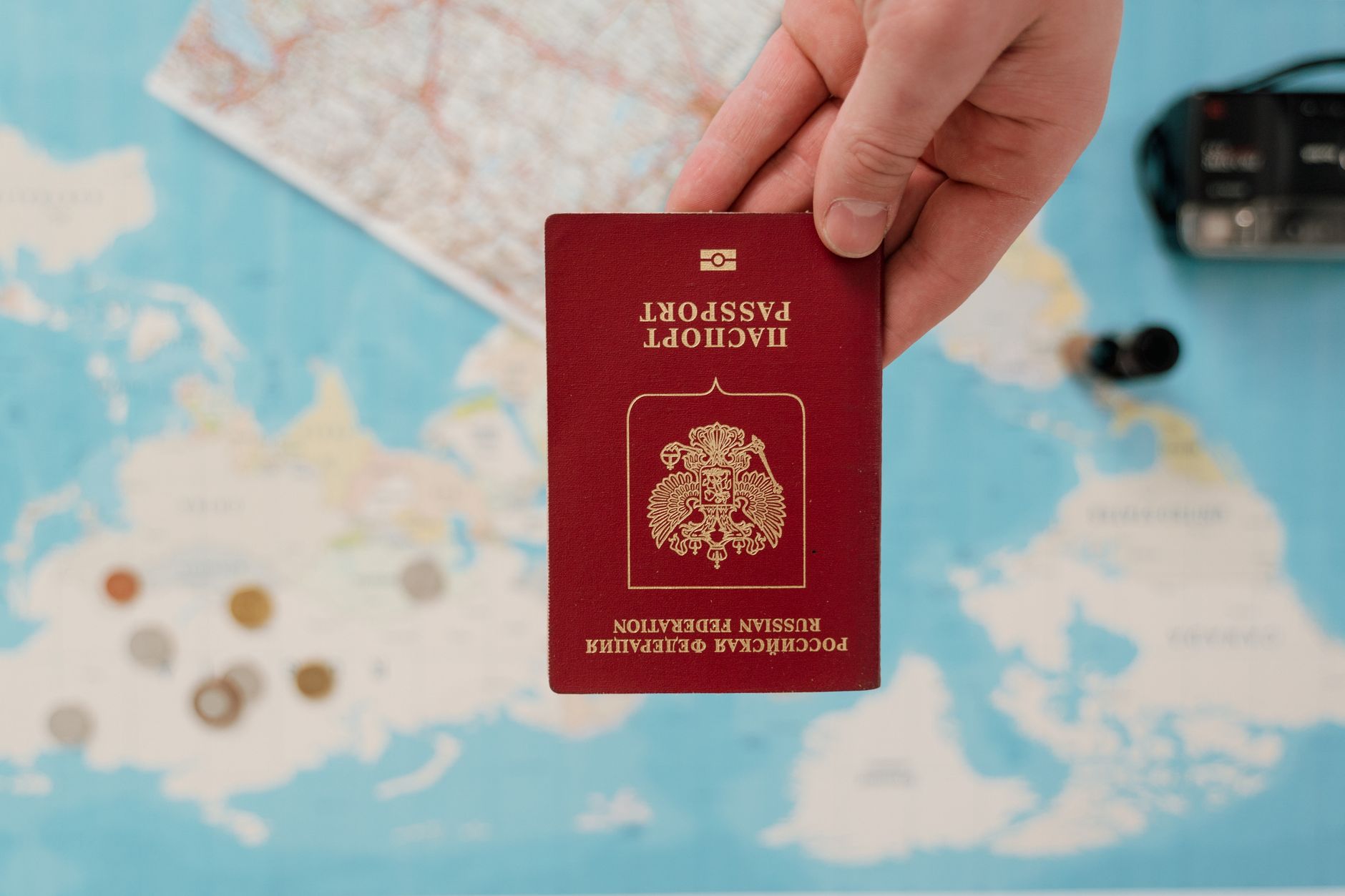
Maharashtra's push comes as global tourism recovers from pandemic-related disruptions and as India positions itself as a major player in international tourism. The Indian government's broader initiatives, including e-visa facilities and the "Incredible India" campaign, provide a supportive ecosystem for state-level efforts.
Success will depend on effective implementation, maintaining service quality standards, and creating memorable experiences that encourage repeat visits and positive word-of-mouth. If executed well, Maharashtra's transformation could serve as a blueprint for tourism development across other Indian states, contributing significantly to the national economy and employment generation.