India's travel and tourism sector has emerged as one of the fastest-growing industries in the country, contributing significantly to employment and GDP. The sector encompasses domestic and international tourism, hospitality, aviation, and related services, all of which have shown remarkable resilience and expansion in recent years.
The Economic Impact of Travel and Tourism
The travel and tourism industry plays a vital role in India's economy, generating millions of jobs across direct and indirect channels. From hotel staff and tour operators to transport providers and local artisans, the sector supports livelihoods in urban centers and remote villages alike. The industry's contribution to GDP has been steadily increasing, with projections suggesting continued growth as India positions itself as a must-visit destination for global travelers.
Tourism also drives demand in ancillary sectors such as retail, food and beverage, entertainment, and handicrafts, creating a multiplier effect that benefits diverse segments of the economy. State governments have recognized this potential and are actively investing in tourism infrastructure and promotional campaigns.
Domestic Tourism: The Primary Growth Driver
Domestic travel accounts for the majority of tourism activity in India, with hundreds of millions of Indians traveling within the country each year. The rise of the middle class, increased disposable incomes, and improved connectivity have fueled this domestic tourism boom. Weekend getaways, religious pilgrimages, and leisure trips to hill stations and beaches have become more accessible to ordinary Indians.
The COVID-19 pandemic accelerated certain trends in domestic tourism, including a preference for road trips, offbeat destinations, and experiential travel. Travelers are increasingly seeking authentic local experiences rather than conventional tourist circuits, prompting destination diversification beyond traditional hotspots.
International Tourist Arrivals
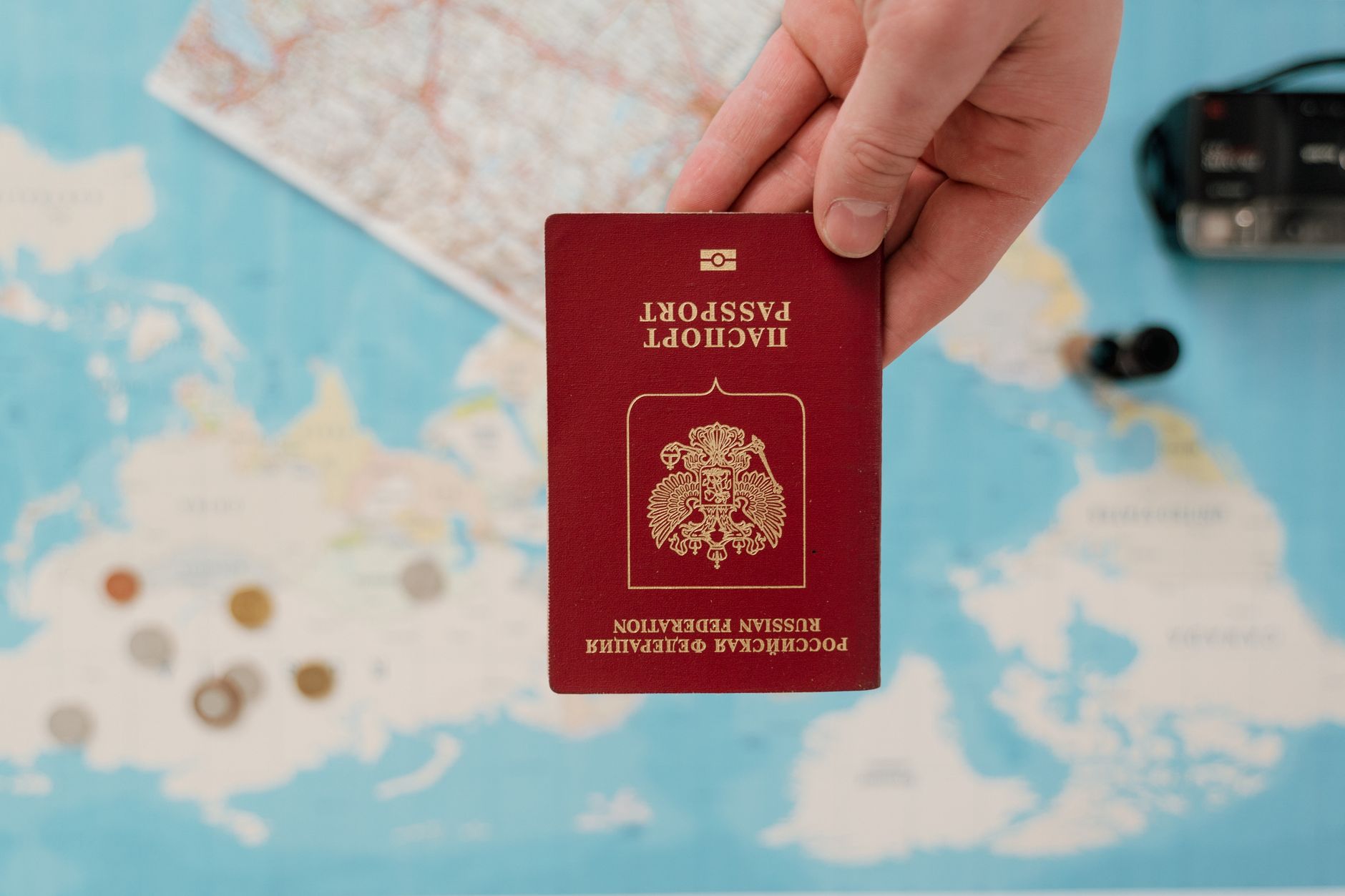
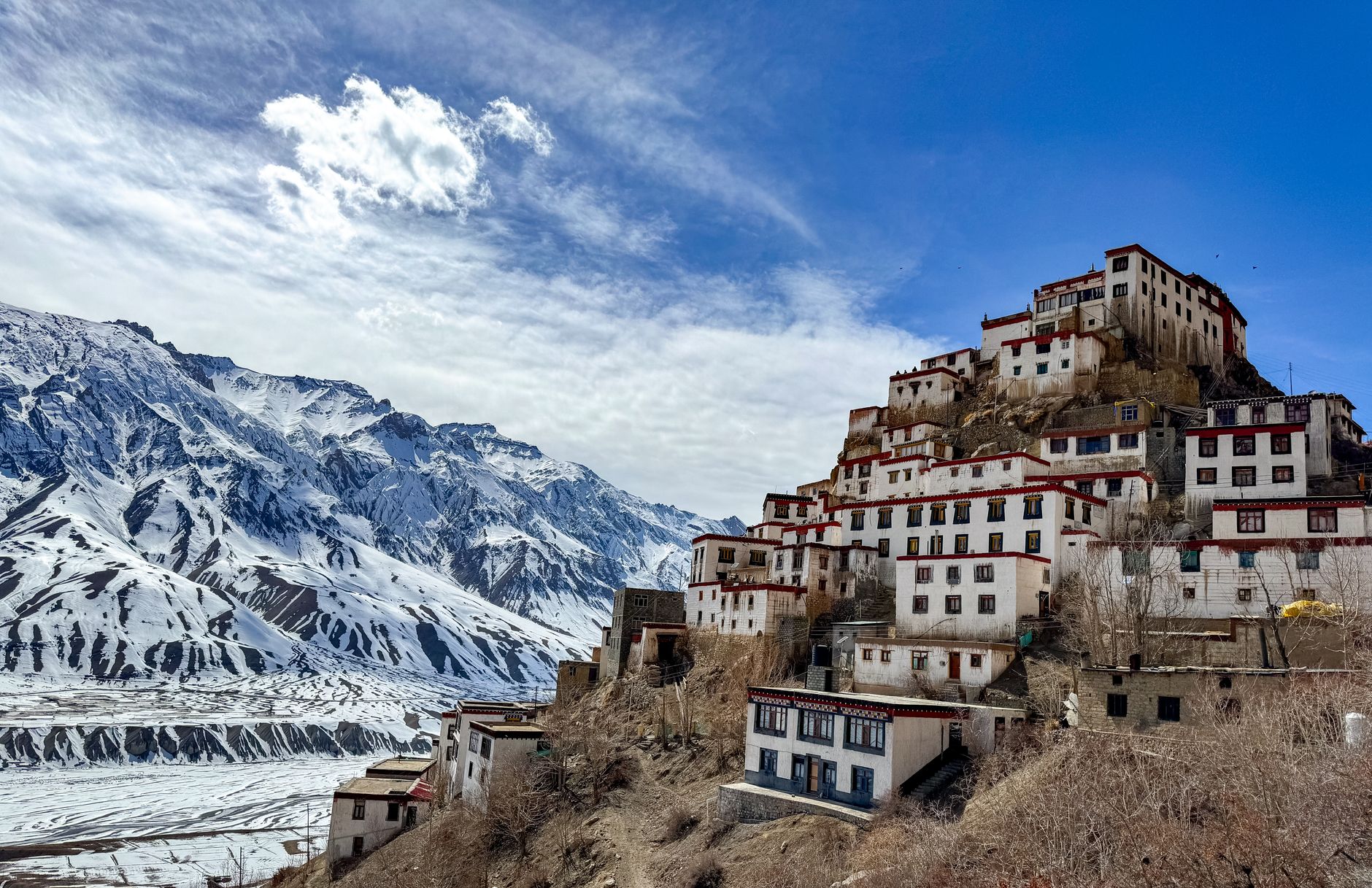
India attracts millions of international visitors annually, drawn by its rich cultural heritage, diverse landscapes, spiritual traditions, and adventure opportunities. Popular destinations include the Golden Triangle of Delhi-Agra-Jaipur, the beaches of Goa, the backwaters of Kerala, the Himalayas, and spiritual centers like Varanasi and Rishikesh.
The government has implemented various measures to boost international arrivals, including e-visa facilities for nationals of numerous countries, promotional campaigns showcasing India's diversity, and improvements to tourist infrastructure. However, challenges remain in areas such as cleanliness, tourist safety, and service quality, which authorities are working to address.
Infrastructure Development and Connectivity
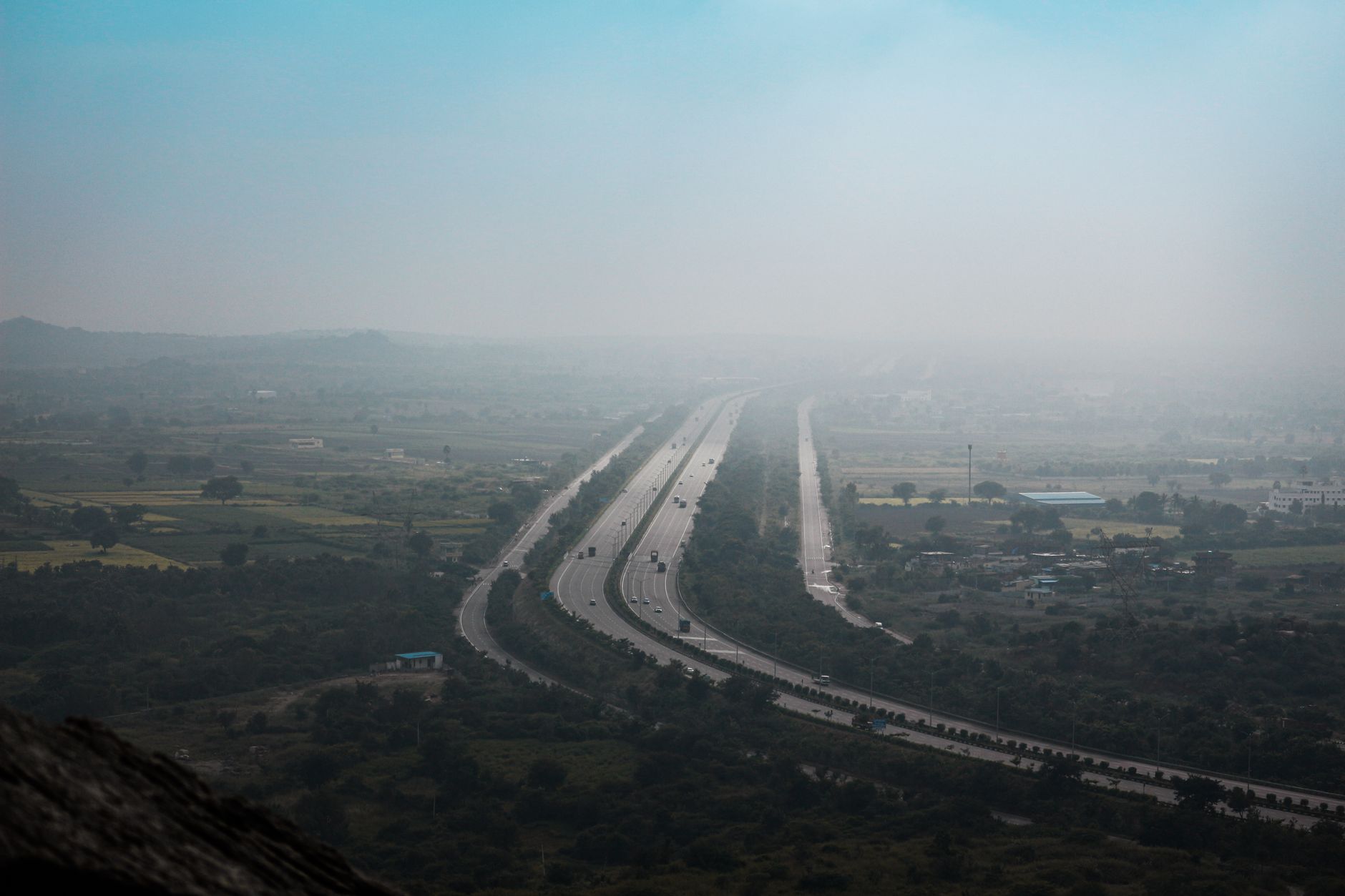
Significant investments in infrastructure have enhanced tourism accessibility across India. The expansion of airport networks, including new regional airports, has connected previously remote destinations to major cities. Highway development projects have reduced travel times between tourist centers, while railway infrastructure improvements, including high-speed rail projects, promise to further boost connectivity.
The development of cruise tourism infrastructure, adventure tourism facilities, and eco-tourism resorts has diversified India's tourism offerings. Smart city initiatives and heritage city development programs are improving urban tourism experiences through better amenities and digital integration.
Government Initiatives and Policy Support
The government has launched several initiatives to promote tourism, including:
- The Swadesh Darshan scheme, which develops theme-based tourist circuits
- PRASAD scheme for pilgrimage destination development
- Incredible India campaigns targeting international markets
- Visa relaxations and improvements to facilitate tourist entry
- Public-private partnerships to develop tourism infrastructure
- Skill development programs for hospitality and tourism professionals
These initiatives aim to increase tourist arrivals, extend average stay duration, and enhance visitor experiences while ensuring sustainable tourism practices.
Challenges and Opportunities
Despite strong growth, the sector faces challenges including seasonal fluctuations, infrastructure gaps in tier-2 and tier-3 destinations, and the need for skilled workforce development. Environmental concerns around overtourism at popular sites require sustainable management approaches.
However, opportunities abound in niche segments such as wellness tourism, adventure tourism, MICE (meetings, incentives, conferences, exhibitions) tourism, and cultural tourism. India's diverse offerings position it well to capture growing global travel demand as international tourism recovers fully.
The Digital Transformation
Technology has revolutionized how Indians plan and book travel. Online travel aggregators, digital payment systems, and smartphone apps have made travel planning more convenient and transparent. Social media influences destination choices, while digital marketing helps lesser-known destinations gain visibility.
The sector's continued evolution will depend on balancing growth with sustainability, improving service standards, and leveraging India's unique cultural and natural assets to create memorable experiences for domestic and international travelers alike.