India's tourism landscape has undergone a dramatic evolution over the last decade, emerging as one of the world's fastest-growing travel destinations. The transformation has been powered by a combination of government initiatives, private sector investment, and a renewed focus on the country's rich cultural and spiritual heritage.
The Infrastructure Revolution
The past ten years have seen unprecedented investment in tourism infrastructure across India. New airports have been commissioned in tier-two and tier-three cities, including Shirdi, Kushinagar, and Sindhudurg, making previously inaccessible destinations reachable within hours. The modernisation of existing airports in cities like Guwahati, Lucknow, and Thiruvananthapuram has significantly improved the passenger experience.
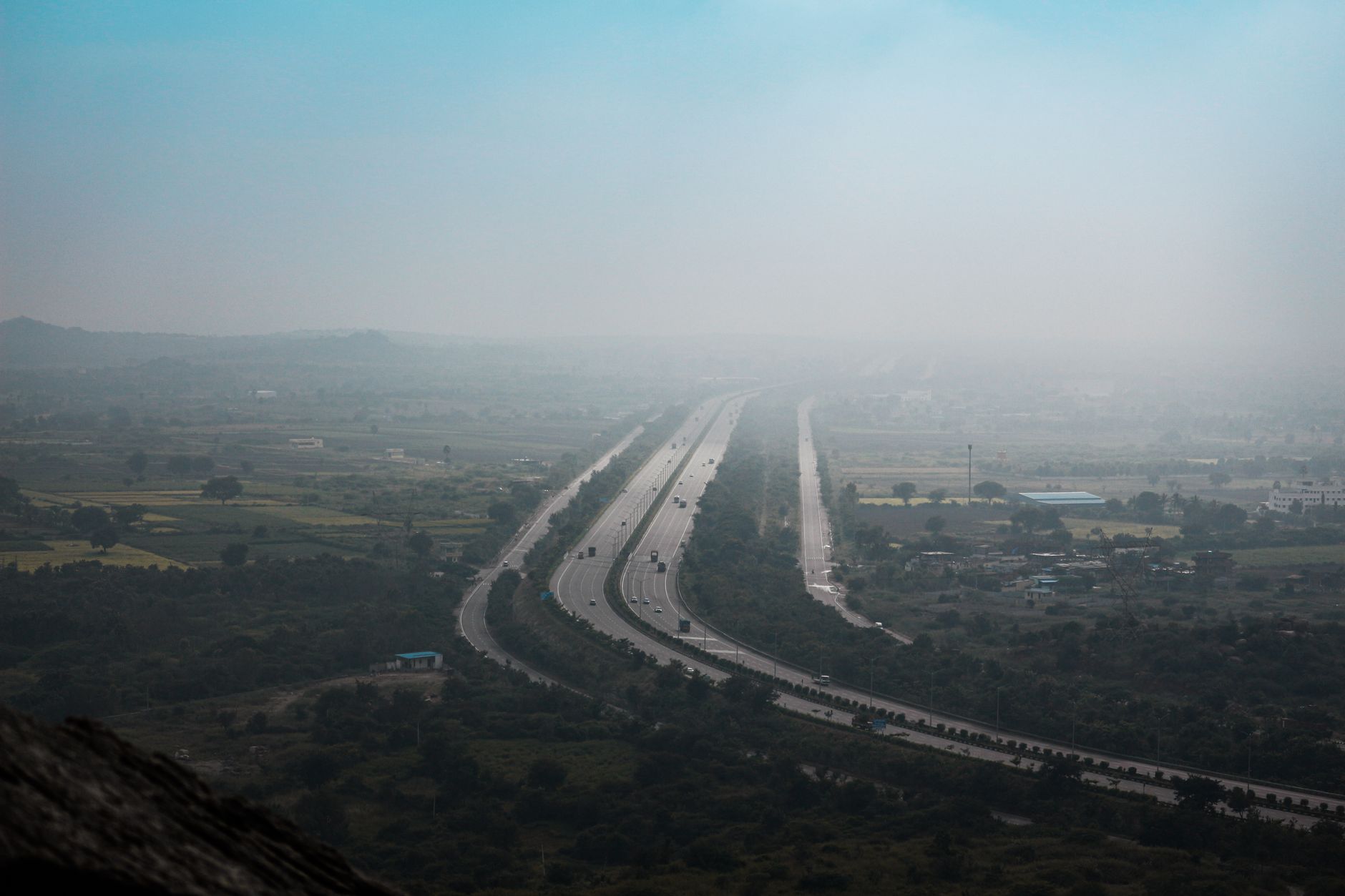
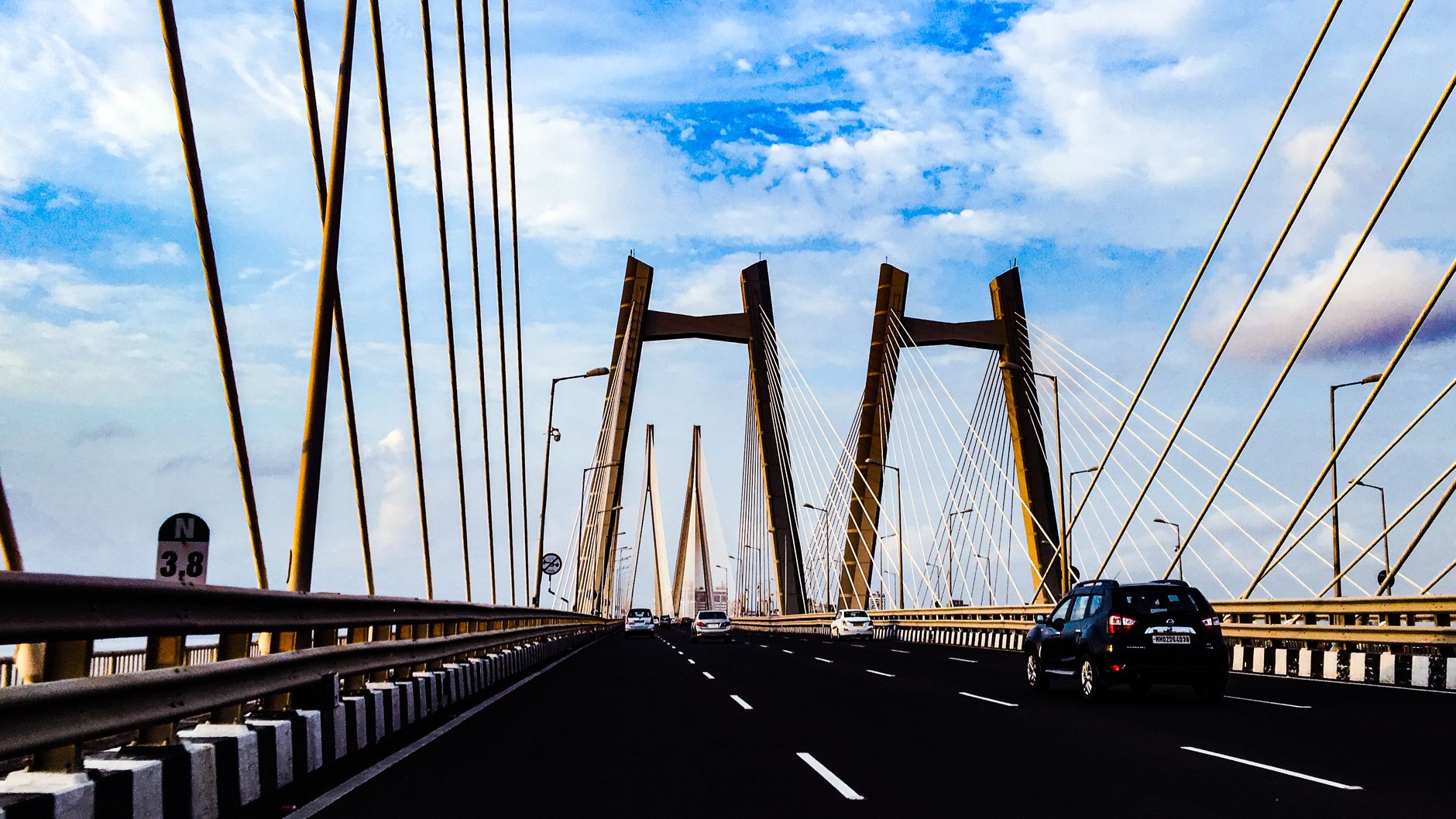
Road connectivity has improved dramatically with the expansion of national highways and expressways. The Bharatmala Pariyojana initiative has enhanced connectivity to pilgrimage and tourist centres, while coastal roads and mountain highways have opened up scenic routes that were previously difficult to navigate. The Delhi-Mumbai Expressway and similar projects have cut travel time between major cities, encouraging more road trips and regional tourism.
Railway infrastructure has also received a major boost. The introduction of Vande Bharat Express trains on multiple routes has provided travellers with faster, more comfortable options. Heritage rail routes have been revitalised, and new tourist circuits have been developed, connecting historical sites and natural attractions.
The Spiritual Tourism Surge
India's spiritual tourism sector has experienced remarkable growth, becoming a cornerstone of the country's tourism strategy. The development of pilgrimage circuits under the Swadesh Darshan scheme has made it easier for devotees to visit multiple sacred sites efficiently.
- The Char Dham Yatra has been transformed with improved roads, helipads, and accommodation facilities
- The Kashi Vishwanath Corridor in Varanasi has revolutionised the pilgrimage experience with world-class infrastructure
- Buddhist circuits connecting Bodh Gaya, Sarnath, and other sites have attracted international Buddhist pilgrims
- The Ram Temple construction in Ayodhya has created a new major pilgrimage destination
States have competed to develop their spiritual tourism assets, with Uttarakhand, Madhya Pradesh, Gujarat, and Andhra Pradesh investing heavily in temple towns and pilgrimage infrastructure. This has not only attracted religious tourists but also those interested in India's architectural and cultural heritage.
Digital Connectivity and Technology Adoption
The expansion of digital infrastructure has fundamentally changed how Indians plan and experience travel. Widespread 4G coverage, even in remote areas, has enabled travellers to navigate unfamiliar territories, book accommodations on the go, and share their experiences in real time.
Online travel platforms have democratised travel planning, offering everything from budget homestays to luxury resorts at transparent prices. Digital payments have made transactions smoother, while app-based cab services have solved the last-mile connectivity challenge in most cities.
Government initiatives like the e-Visa system have simplified entry for international tourists, with online applications processed within days. The 'Incredible India' digital campaigns have successfully showcased the country's diverse offerings to global audiences.
Emerging Destinations and Experiential Travel
The past decade has seen travellers moving beyond traditional circuits to explore offbeat destinations. States in the Northeast, such as Meghalaya, Arunachal Pradesh, and Mizoram, have seen substantial tourism growth. Adventure tourism has flourished with improved facilities for trekking, river rafting, and mountaineering.
Experiential travel has gained momentum, with tourists seeking authentic local experiences rather than just sightseeing. Homestays, village tourism initiatives, and cultural immersion programmes have become popular, particularly among younger travellers and international visitors seeking genuine connections with local communities.
Challenges and the Road Ahead
Despite impressive progress, challenges remain. Overcrowding at popular destinations threatens sustainability, while some heritage sites require better preservation efforts. Skill development in hospitality remains crucial, as does maintaining cleanliness standards at tourist locations.
The COVID-19 pandemic temporarily disrupted growth but also highlighted the importance of domestic tourism. The recovery has been strong, with revenge travel and the rise of remote work creating new opportunities for destinations that cater to longer stays and workations.
Looking forward, the focus on sustainable tourism, eco-friendly practices, and community participation will determine whether India's tourism growth remains inclusive and environmentally responsible. The foundation laid over the past decade positions India well to become a top global tourism destination in the coming years.