The World Travel & Tourism Council has released projections suggesting India will ascend to become the world's fourth-largest travel and tourism economy by 2036, marking a significant shift in the global tourism landscape. This optimistic forecast reflects India's growing importance as both a destination and source market in the international travel ecosystem.
Current Position and Growth Trajectory
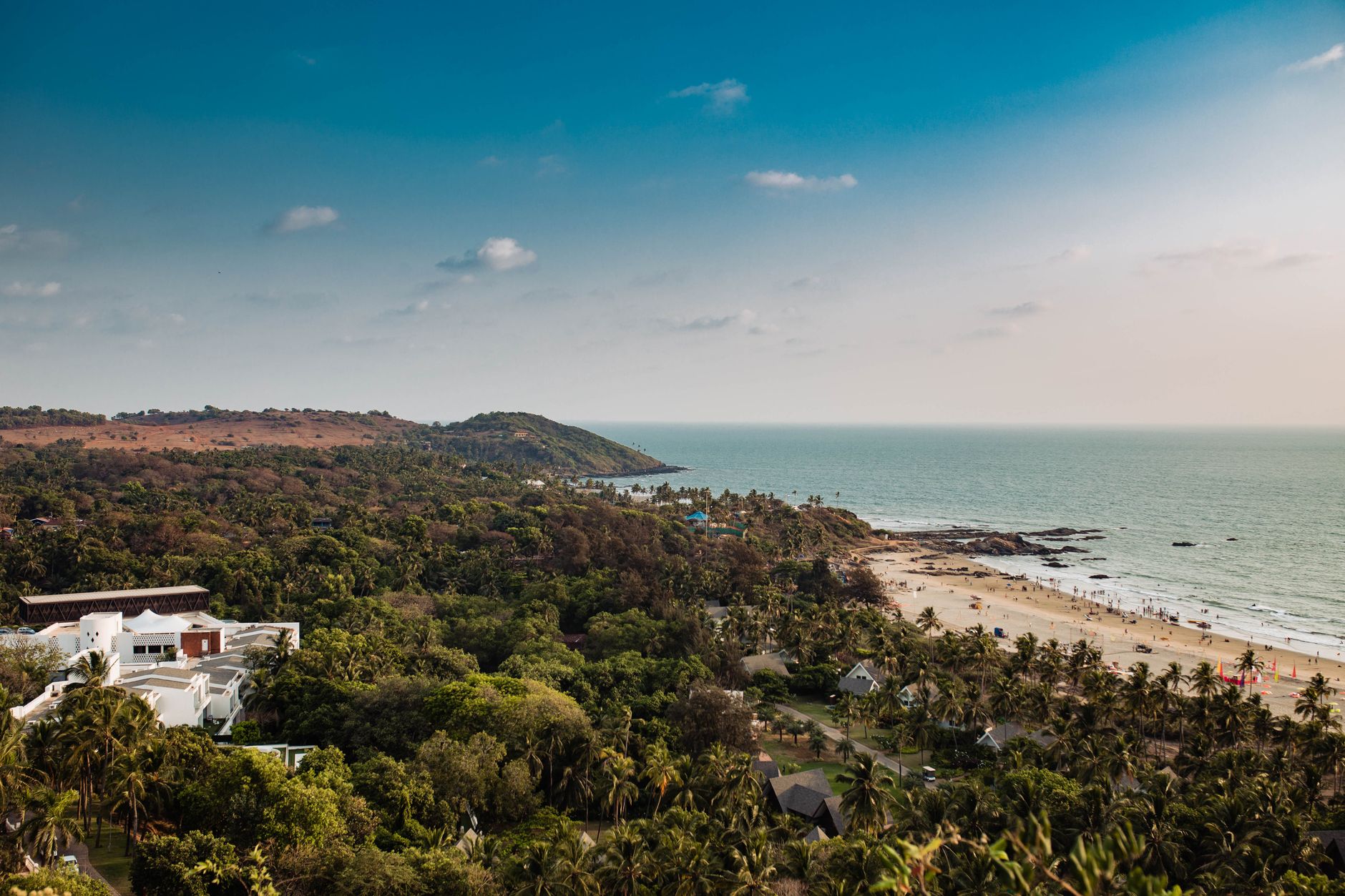
India currently ranks among the top ten travel and tourism economies globally, but the projected leap to fourth position represents extraordinary growth potential. The sector has demonstrated remarkable resilience following pandemic-related disruptions, with domestic travel rebounding strongly and international arrivals steadily recovering. The country's diverse offerings—from Himalayan adventure tourism to tropical beach destinations, ancient heritage sites to modern metropolitan experiences—position it uniquely in the global market.
The travel and tourism sector's contribution to India's GDP has been expanding consistently, with millions employed directly and indirectly across hotels, airlines, tour operators, restaurants, and ancillary services. This economic engine supports small businesses, artisans, and local communities across the nation.
Key Growth Drivers
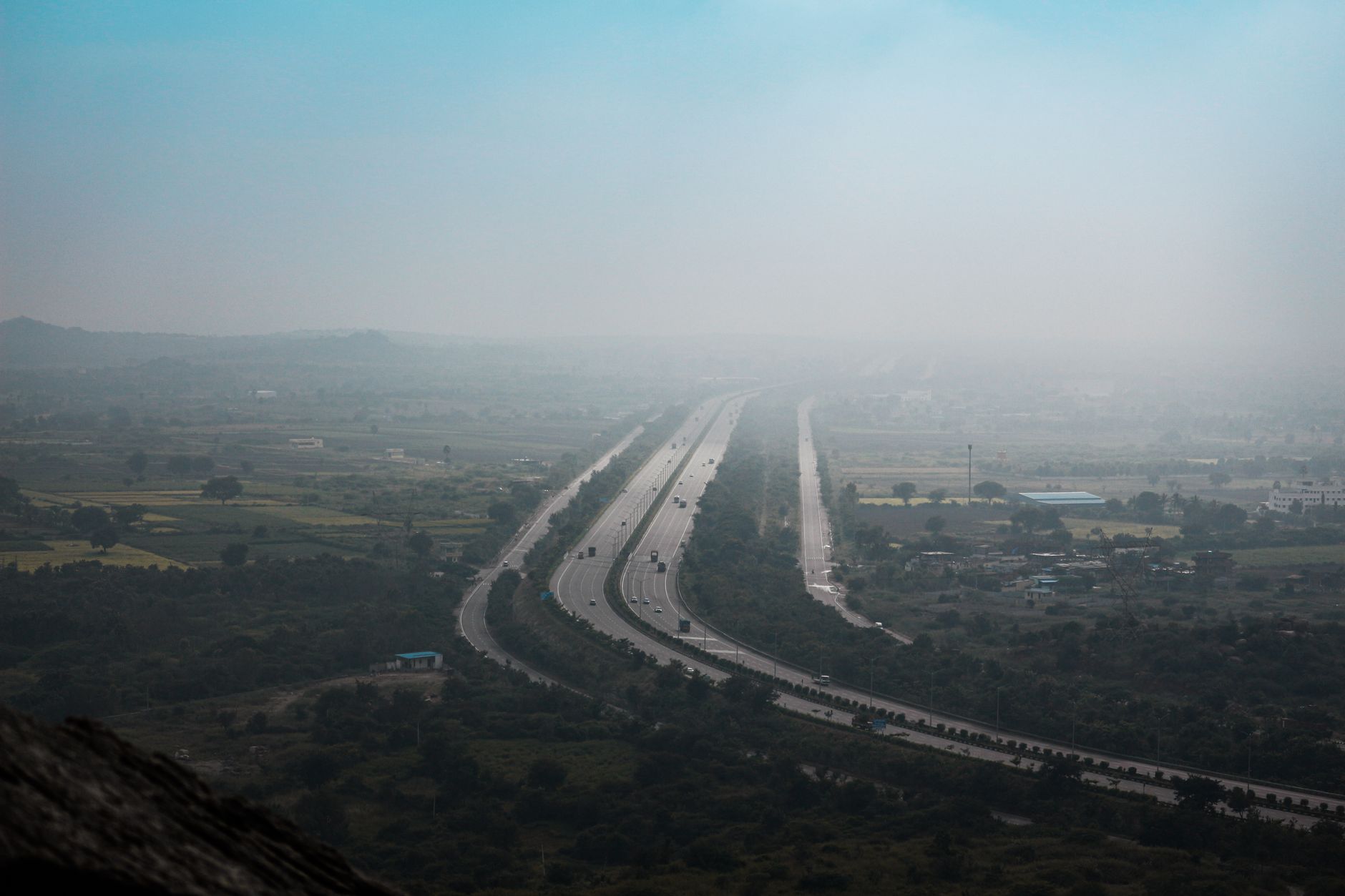
Several factors underpin this ambitious projection. Infrastructure development stands at the forefront, with new airports, improved rail connectivity, and enhanced road networks making previously inaccessible destinations more reachable. The government's focus on developing regional airports under the UDAN scheme has democratized air travel, connecting tier-2 and tier-3 cities.
Rising disposable incomes among India's expanding middle class have fueled domestic tourism growth. Indian travellers are exploring their own country more extensively while also contributing to outbound tourism numbers. This demographic dividend—with a young, aspirational population—creates sustained demand for travel experiences.
Digital transformation has revolutionized how Indians plan and book travel. Online travel agencies, integrated booking platforms, and digital payment systems have simplified the entire travel experience, making it more accessible to first-time travellers.
Government Initiatives and Policy Support
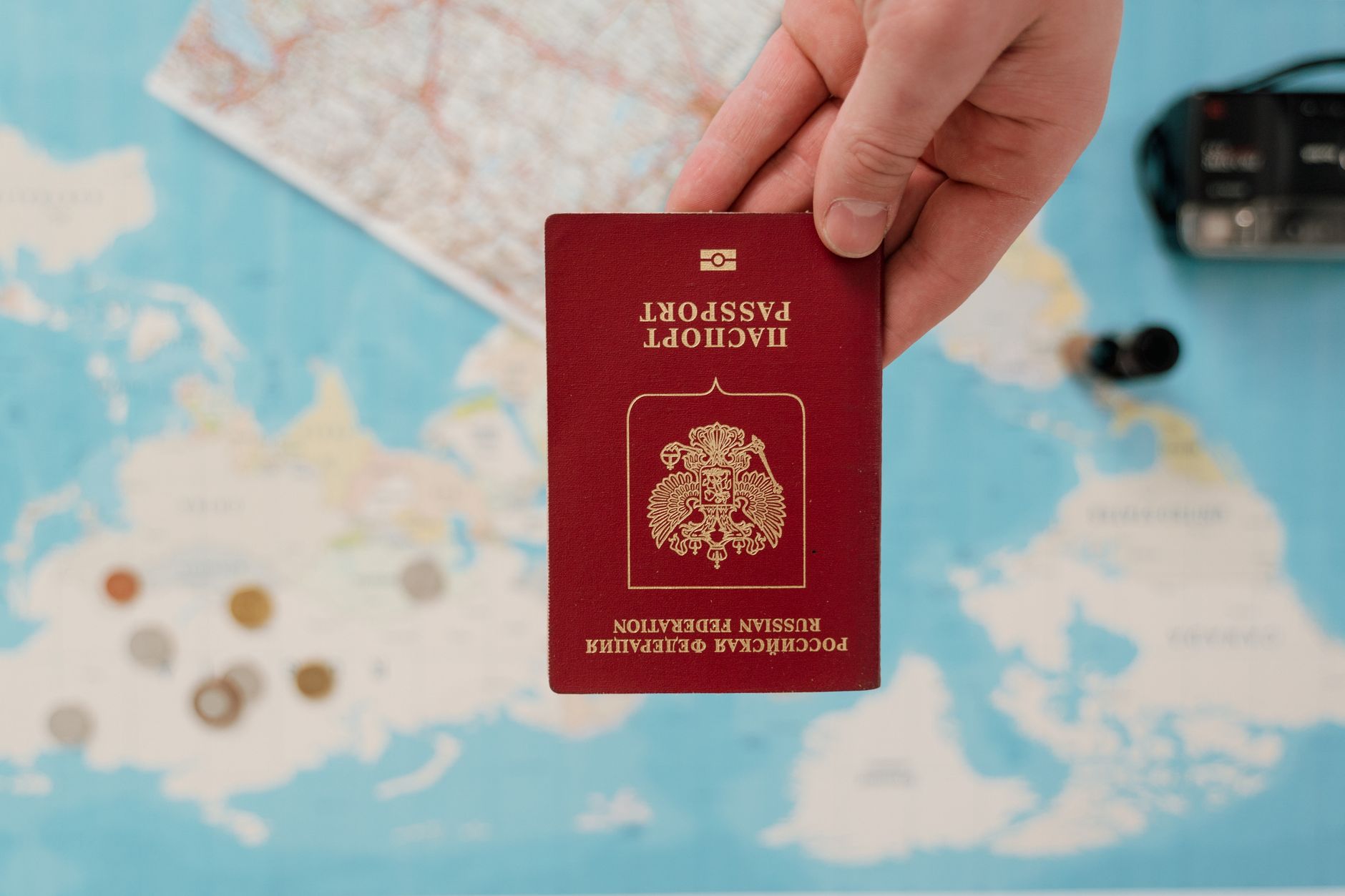
Strategic government initiatives have created a conducive environment for tourism growth. The Incredible India campaign continues to showcase the country's diversity to international audiences. Simplified visa processes, including e-visa facilities for numerous countries, have reduced friction for incoming tourists.
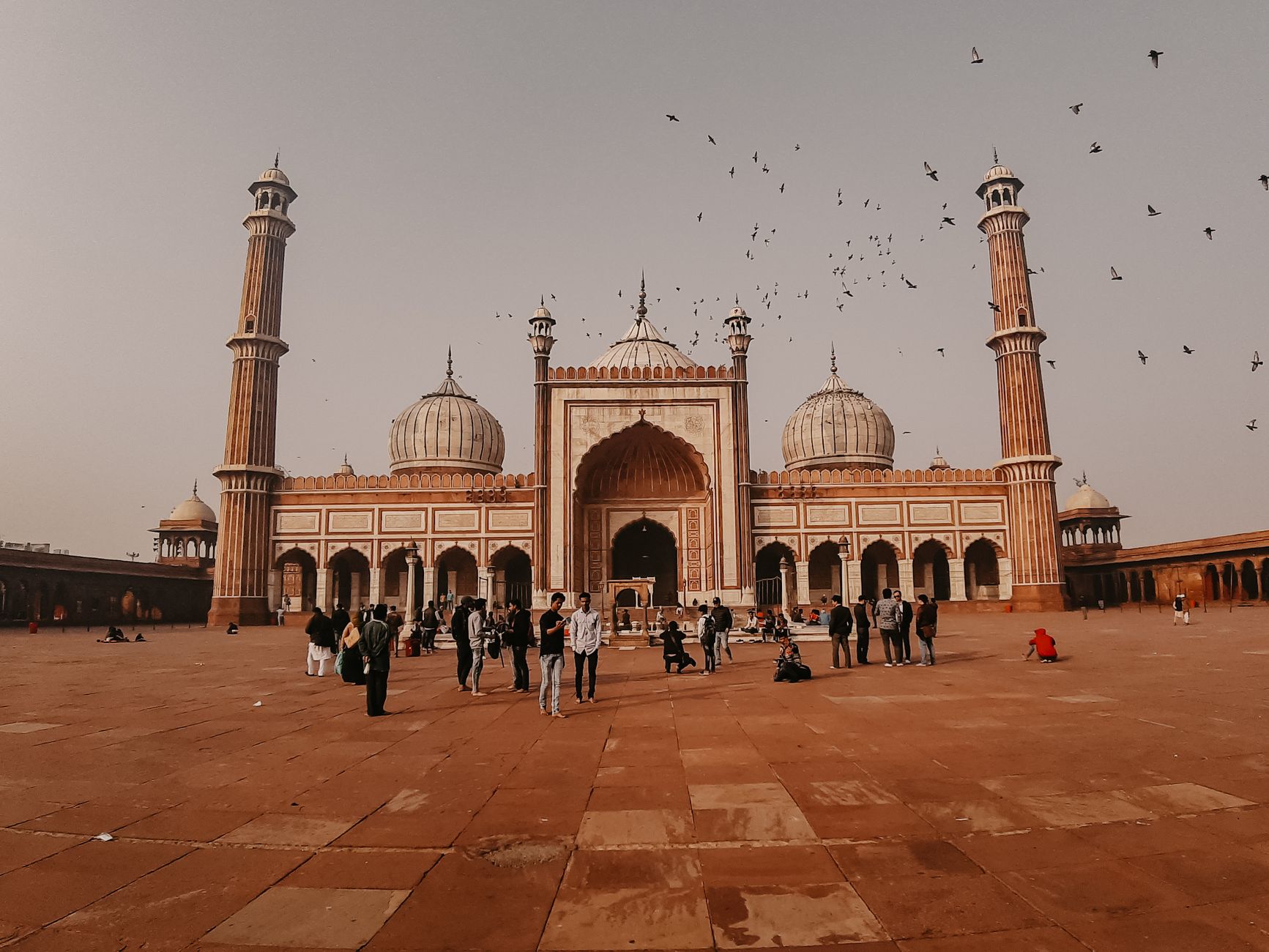
Special focus on promoting heritage tourism, spiritual tourism, medical tourism, and adventure tourism has diversified India's appeal. Destinations beyond the traditional Golden Triangle are receiving attention, spreading tourism benefits more equitably across states.
Investment in tourism infrastructure through public-private partnerships has accelerated development. Convention centres, hotels, and tourist facilities are expanding to meet growing demand while maintaining sustainability considerations.
Challenges to Address
Despite the positive outlook, challenges remain. Overcrowding at popular destinations, infrastructure gaps in emerging locations, and environmental concerns require careful management. Maintaining cleanliness, ensuring tourist safety, and preserving cultural authenticity while scaling up tourism are ongoing priorities.
Skill development in hospitality and tourism services needs continuous attention. Training programs that enhance service quality standards will be crucial for meeting rising tourist expectations, particularly from international visitors accustomed to world-class service.
International Competitiveness
India's positioning against established tourism powerhouses requires differentiation. The country's unique cultural heritage, spiritual significance, and authentic experiences provide competitive advantages. However, competing with Southeast Asian destinations on convenience, cleanliness, and perceived value requires sustained effort.
Marketing strategies must highlight India's unique selling propositions while addressing perception gaps. Showcasing safety, hygiene standards, and ease of travel can encourage hesitant international tourists to explore Indian destinations.
Economic Impact and Employment
Achieving fourth-place status would generate substantial economic benefits. The multiplier effect of tourism spending ripples through local economies, supporting livelihoods in manufacturing, agriculture, and services. Employment opportunities across skill levels make tourism an inclusive growth driver.
Foreign exchange earnings from international tourism contribute to balance of payments while domestic tourism redistributes wealth across regions, supporting economic development in less industrialized areas.
Looking Ahead
The path to becoming the fourth-largest travel and tourism economy demands coordinated efforts from government, industry, and communities. Sustainable tourism practices, infrastructure investment, service quality improvements, and innovative marketing will determine whether India realizes this projection.
As global travel patterns evolve post-pandemic, with travellers seeking authentic experiences and less crowded destinations, India's moment appears opportune. The next decade could witness Indian tourism's transformation from emerging market to global powerhouse.