India's travel and transportation ecosystem is experiencing a remarkable evolution, fundamentally changing how its 1.4 billion citizens navigate the vast subcontinent. The phrase "India on the Move" captures a nation investing heavily in connectivity, modernizing its infrastructure, and embracing new technologies to facilitate smoother, faster, and more efficient travel.
The Infrastructure Revolution
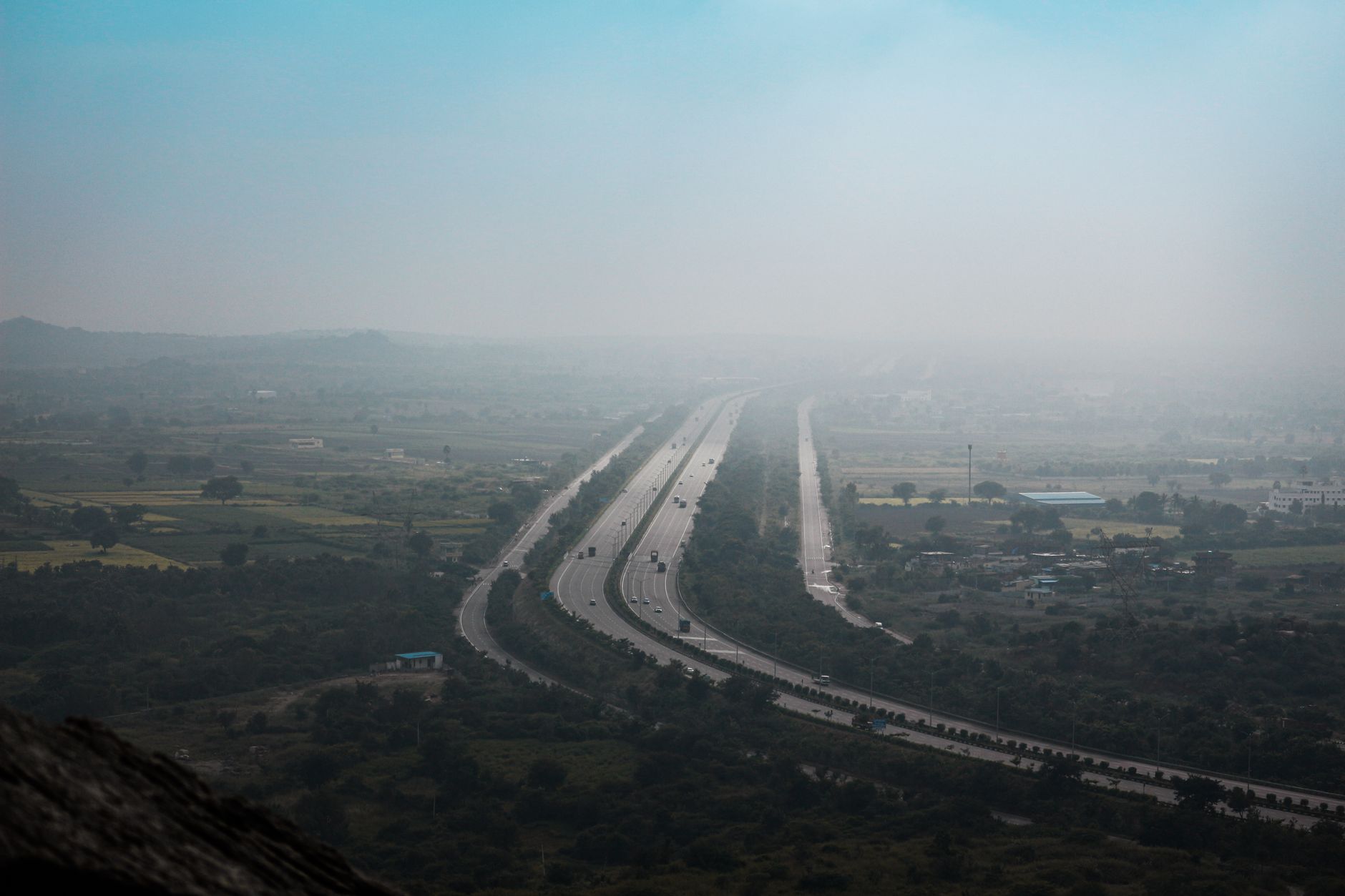
India's transport infrastructure has become a top priority for national development. The country is witnessing massive investments across multiple sectors. The national highway network has expanded significantly, with expressways connecting major cities and reducing travel times dramatically. The Delhi-Mumbai Expressway, Purvanchal Expressway, and other mega-projects are cutting journey times by several hours, making road travel more viable for both passengers and freight.
The railway system, long the backbone of Indian travel, is undergoing modernization at an unprecedented scale. Vande Bharat Express trains represent a new era of semi-high-speed rail, offering comfortable, faster connections between cities. Station redevelopment projects are transforming railway stations into world-class facilities with better amenities, cleaner environments, and improved passenger experiences.
Aviation Sector Takes Flight
India's aviation sector is experiencing explosive growth. New airports are opening in tier-2 and tier-3 cities, democratizing air travel and connecting previously underserved regions. The UDAN (Ude Desh ka Aam Nagrik) scheme has made flying accessible to millions who previously relied solely on trains or buses, with subsidized regional flights connecting smaller towns to major hubs.
Major airports in Delhi, Mumbai, Bengaluru, and other metros are expanding capacity to handle increasing passenger traffic. India is projected to become the third-largest aviation market globally within the next few years, with domestic air travel growing at double-digit rates annually.
Digital Revolution in Travel
Technology is reshaping how Indians plan and execute their journeys. Mobile apps for booking train tickets, flights, and buses have made travel planning seamless. Real-time tracking, digital payments, and paperless travel are becoming the norm. The Indian Railways' IRCTC platform handles millions of transactions daily, while ride-hailing apps have revolutionized urban mobility.
Digital infrastructure also extends to highways, with FASTag electronic toll collection eliminating long queues at toll plazas. This technology enables seamless movement across states and has significantly reduced travel time on major routes.
Metro Revolution in Urban Centers
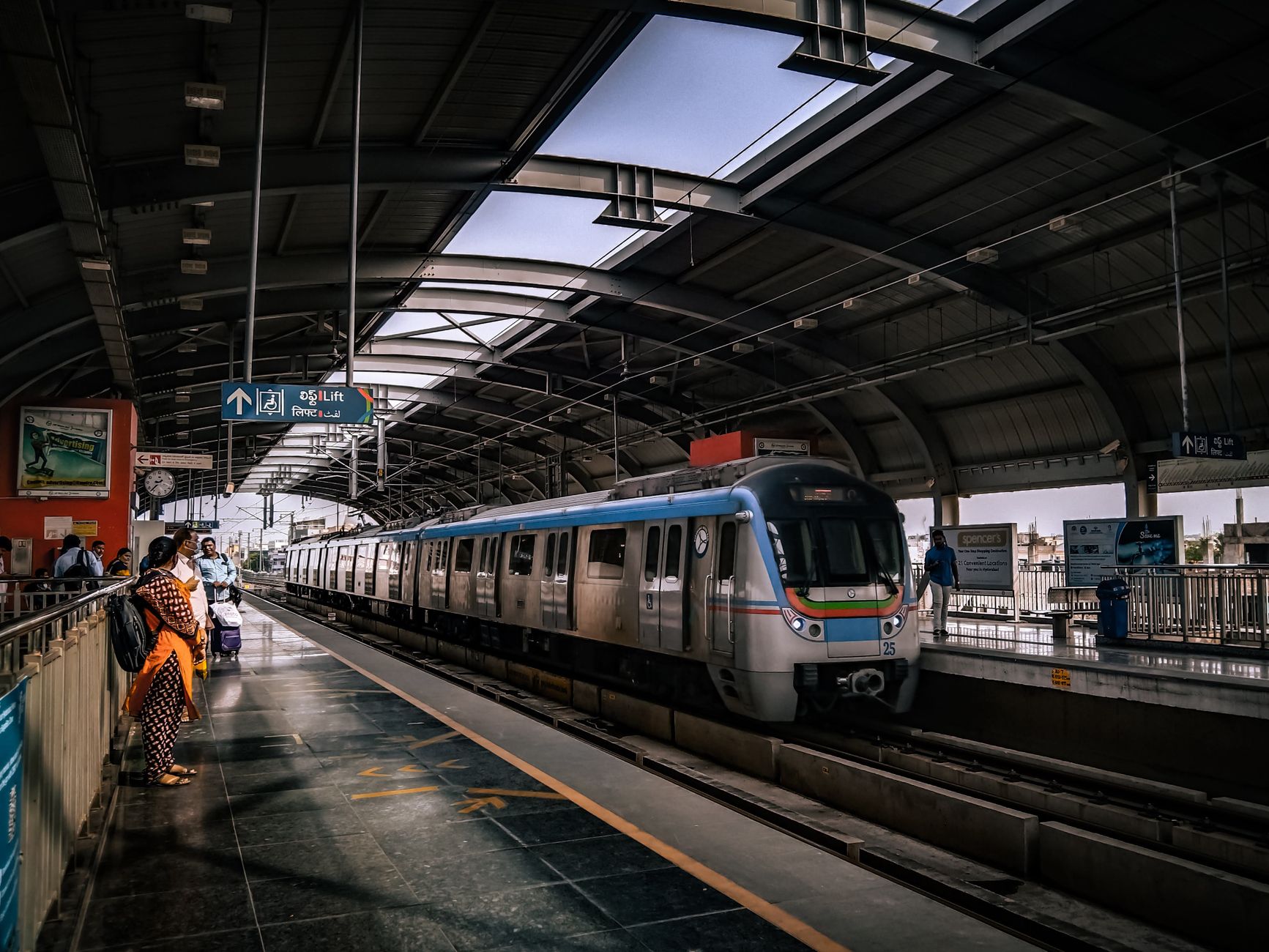
Indian cities are rapidly expanding their metro rail networks to combat congestion and pollution. Delhi, Mumbai, Bengaluru, Kolkata, Chennai, Hyderabad, and numerous other cities now have operational or under-construction metro systems. These networks provide fast, reliable, and environmentally friendly transportation options for millions of daily commuters.
The metro expansion is particularly significant in tier-2 cities where such infrastructure was previously unimaginable. Cities like Kanpur, Agra, Kochi, and Lucknow now have metro services, dramatically improving urban mobility and quality of life.
Tourism and Leisure Travel
Beyond daily commuting and business travel, India's domestic tourism is booming. Improved connectivity has opened previously difficult-to-reach destinations. The growth of budget hotels, homestays, and experiential travel options has made tourism more accessible to middle-class families.
The government's push to promote tourist destinations through initiatives like Swadesh Darshan and improved infrastructure at heritage sites has boosted domestic tourism. Better roads to hill stations, improved facilities at pilgrimage sites, and enhanced coastal connectivity have all contributed to this surge.
Challenges and Opportunities
Despite impressive progress, challenges remain. Last-mile connectivity in rural areas needs improvement, urban congestion continues in major cities, and safety standards require constant attention. Environmental concerns about increased vehicle usage and airport construction also need addressing.
However, these challenges present opportunities for innovation. Electric vehicle adoption, sustainable transport solutions, and integrated multi-modal transport systems are areas where India can lead. The focus on green energy and sustainable development could make India's mobility revolution a model for other developing nations.
Looking Ahead
India's travel transformation reflects the nation's economic growth and rising aspirations. As infrastructure continues improving and technology enables smarter solutions, the movement of people and goods will become increasingly efficient. This mobility revolution is not just about transportation but about connecting opportunities, fostering economic growth, and improving quality of life for millions of Indians embarking on their daily journeys across this diverse nation.