India's tourism sector stands at a critical juncture, according to the World Travel & Tourism Council (WTTC), with the country needing comprehensive visa reforms and greater investment to capitalise on its enormous potential as a global travel destination. The call comes as nations worldwide compete aggressively for tourism revenue in the post-pandemic recovery phase.
The Current State of Indian Tourism
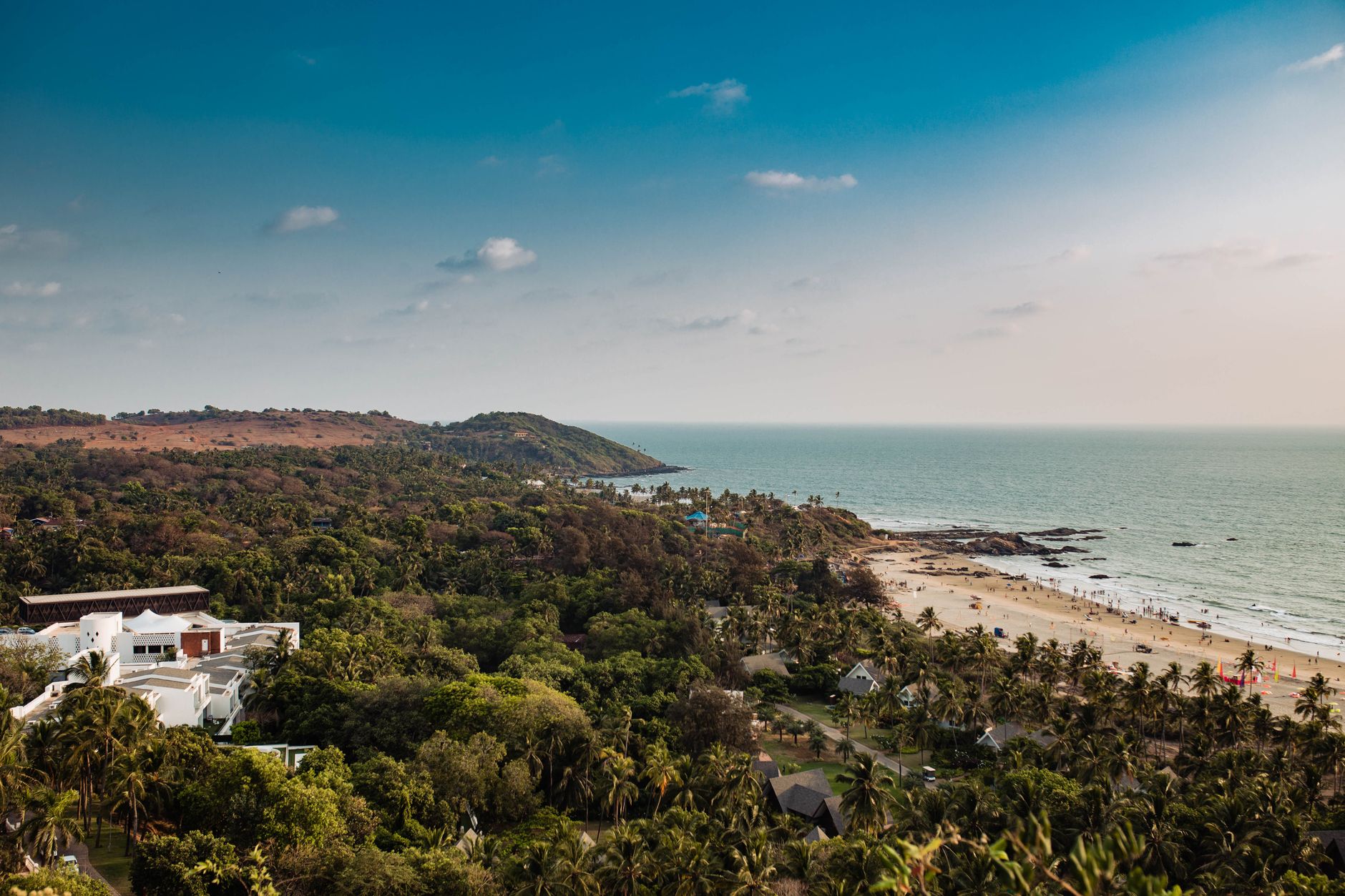
India attracted approximately 10 million foreign tourists in 2023, a figure that pales in comparison to countries like Thailand, which welcomes nearly 40 million visitors annually despite having a significantly smaller geographical area and fewer heritage sites. The gap highlights untapped potential rather than lack of appeal. India boasts UNESCO World Heritage Sites, diverse landscapes from the Himalayas to tropical beaches, rich cultural traditions, and a civilisation spanning millennia.
The tourism and hospitality sector contributes roughly 7 percent to India's GDP and employs millions across hotels, restaurants, transport services, and allied industries. However, experts believe this contribution could be substantially higher with the right policy interventions and infrastructure development.
Visa Process Challenges
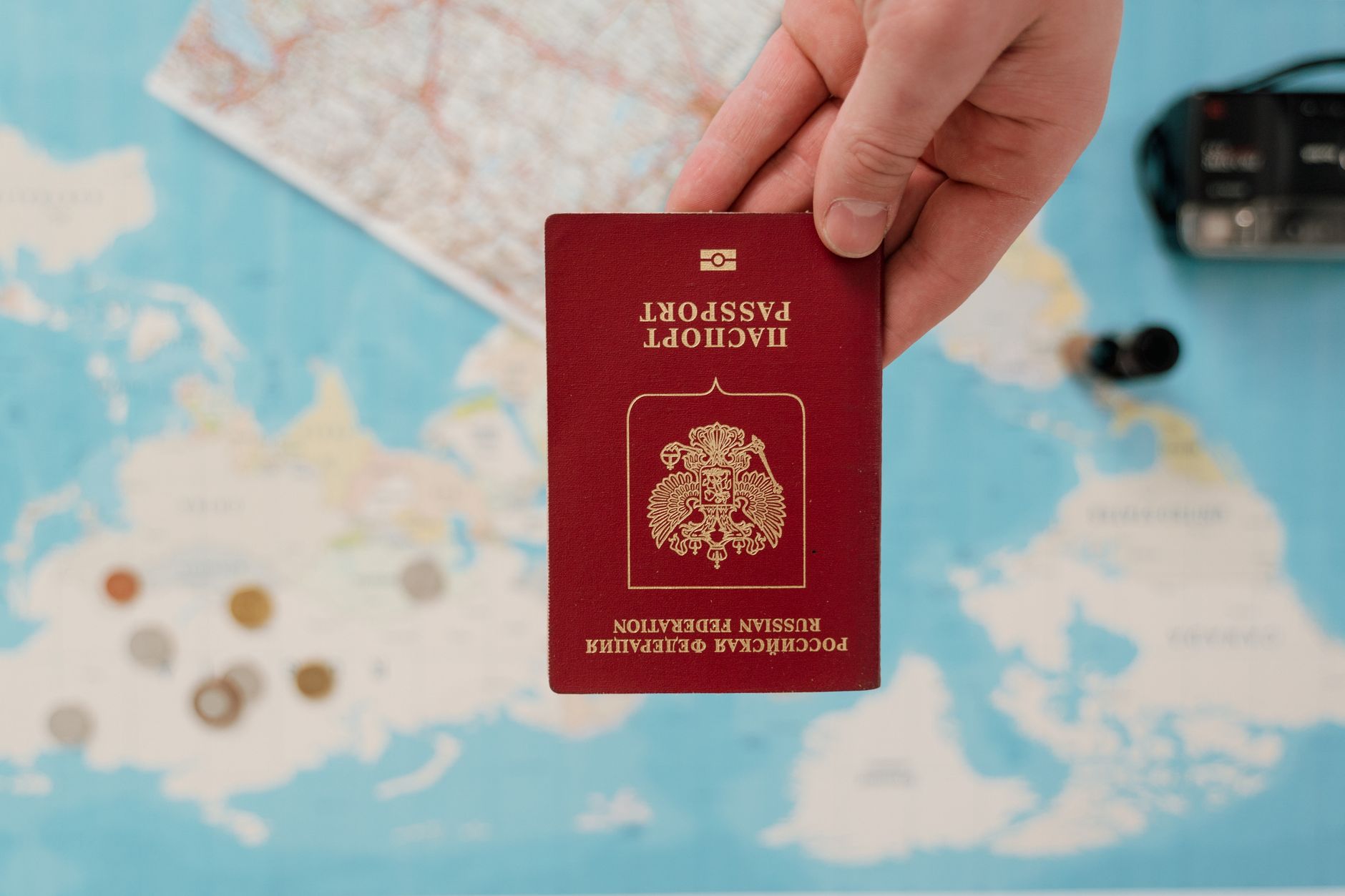
One of the primary obstacles facing India's tourism growth is the complexity and cost of obtaining a visa. While India introduced the e-visa system in 2014, which allows citizens from eligible countries to apply online, several pain points remain.
Processing times can be unpredictable, with some applications taking weeks despite being advertised as quick approvals. The cost of Indian tourist visas remains higher than many competing destinations in Southeast Asia. Technical glitches on the e-visa portal occasionally frustrate applicants, and the required documentation can be extensive.
By contrast, countries like Thailand and Indonesia have introduced visa-on-arrival or visa-free entry for numerous nationalities, significantly lowering the barrier to visit. Some nations have even extended free visa schemes to boost arrivals during slower tourism periods.
What Visa Reforms Could Include
Tourism industry experts have long advocated for several specific reforms. These include expanding the list of countries eligible for e-visas and visa-on-arrival, reducing visa fees to competitive levels, and streamlining the application process to guarantee processing within a fixed timeframe.
Additionally, introducing longer-validity tourist visas as standard would benefit repeat visitors, while creating separate fast-track visa channels for tourists versus other visa categories could improve efficiency. Some have even suggested visa-free entry for short stays from select countries with strong bilateral relations.
Infrastructure Investment Needs
Beyond visa reforms, the WTTC's emphasis on investment addresses the physical infrastructure gaps that limit India's tourism potential. Many tourist destinations lack adequate accommodation options across price points, with either luxury hotels or very basic facilities but limited mid-range choices.
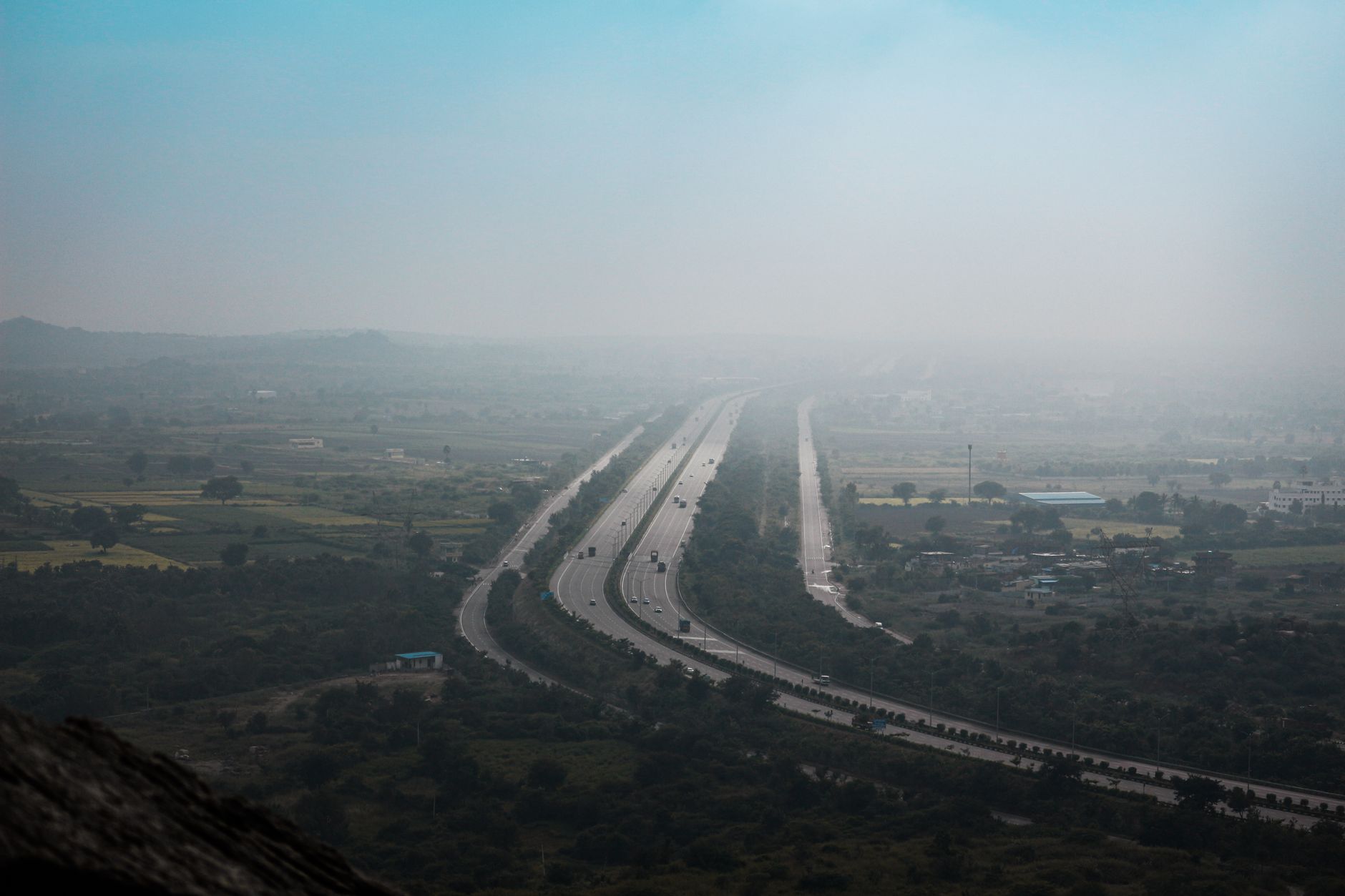
Connectivity remains a challenge, with numerous heritage sites and natural attractions difficult to reach due to poor road conditions, limited rail connections, or inadequate air connectivity to smaller cities. International airports exist in only a handful of Indian cities, forcing tourists into limited itineraries.
Other infrastructure concerns include inadequate sanitation facilities at tourist sites, insufficient multilingual signage and information centres, and limited digital payment acceptance in smaller towns and rural tourist areas. Public transport options connecting tourist sites are often lacking or unreliable.
The Economic Opportunity
The economic case for tourism investment is compelling. Tourism is a relatively clean industry with significant job creation potential across skill levels. It can drive development in remote and rural areas where other industries may not be viable, and it generates foreign exchange while showcasing Indian culture and soft power globally.
Countries that have prioritised tourism development have seen substantial economic benefits. Spain, for instance, welcomes over 80 million tourists annually, with tourism representing more than 12 percent of its GDP. While India need not replicate any single model, the potential for growth is evident.
Regional Competition
India faces stiff competition from neighbours and regional rivals who have aggressively marketed themselves as tourist destinations. Dubai has positioned itself as a luxury and shopping destination with world-class infrastructure. Singapore attracts visitors with its efficiency, safety, and ease of travel. Thailand and Vietnam offer cultural experiences combined with beach holidays at competitive prices.
These countries have invested heavily in tourism marketing, infrastructure, and visitor-friendly policies. For India to compete effectively, a comprehensive approach combining policy reform, infrastructure development, and international marketing is essential.
The Path Forward
Implementing meaningful visa reforms and scaling up tourism investment requires coordination across multiple government ministries, state governments, and private sector stakeholders. However, the potential returns make it a worthwhile priority for economic policy. With its unmatched cultural wealth and geographical diversity, India could realistically target 30-40 million foreign tourists annually within the next decade, substantially boosting employment and foreign exchange earnings while sharing its rich heritage with the world.