India stands at a critical juncture where its tourism industry could serve as a powerful catalyst for economic transformation. With diverse landscapes ranging from Himalayan peaks to tropical beaches, ancient heritage sites to modern urban centers, the country possesses natural advantages that remain underutilized in the global travel market.
The Current State of Indian Tourism
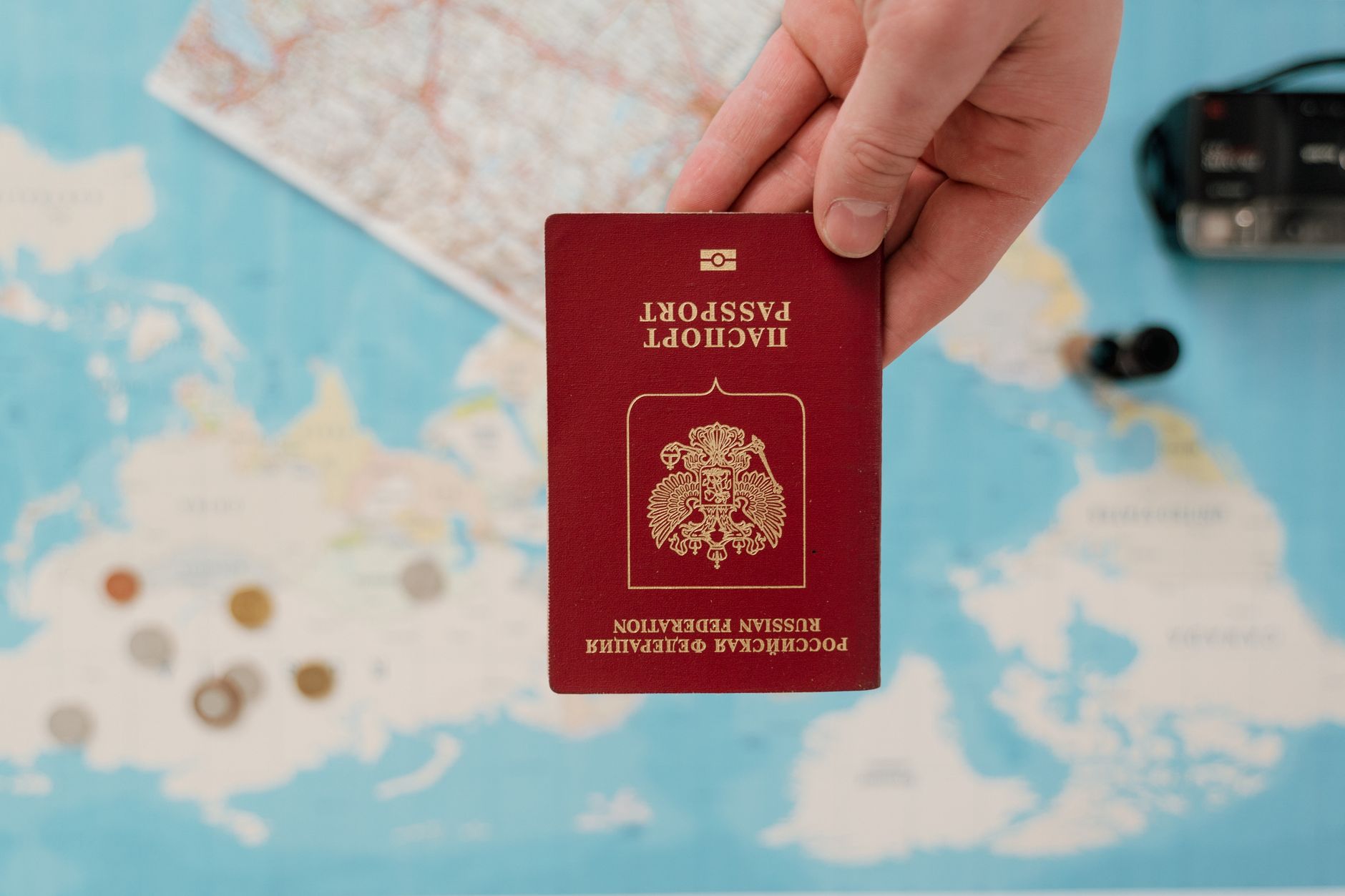
India currently attracts approximately 10 million foreign tourists annually, a figure that pales in comparison to countries like Thailand or France, which receive tens of millions of visitors each year. Domestic tourism, however, tells a different story, with over 2 billion trips taken by Indian citizens within the country annually. This massive internal market demonstrates the appetite for travel experiences and the foundation upon which a world-class tourism industry can be built.
The sector contributes roughly 6-7 percent to India's GDP and employs millions across hospitality, transportation, handicrafts, and related services. Yet experts consistently point out that this contribution could easily double with the right investments and policy frameworks.
Infrastructure as the Foundation
The primary barrier to tourism growth remains infrastructure. Many tourist destinations lack adequate connectivity, whether by road, rail, or air. International airports outside major metros often operate below capacity, while regional airports remain underserved by both domestic and international carriers.
Accommodation infrastructure presents another challenge. While luxury hotels exist in major cities, mid-range and budget options with consistent quality standards remain scarce in tier-two and tier-three destinations. The gap between backpacker hostels and five-star properties leaves many travelers without suitable options.
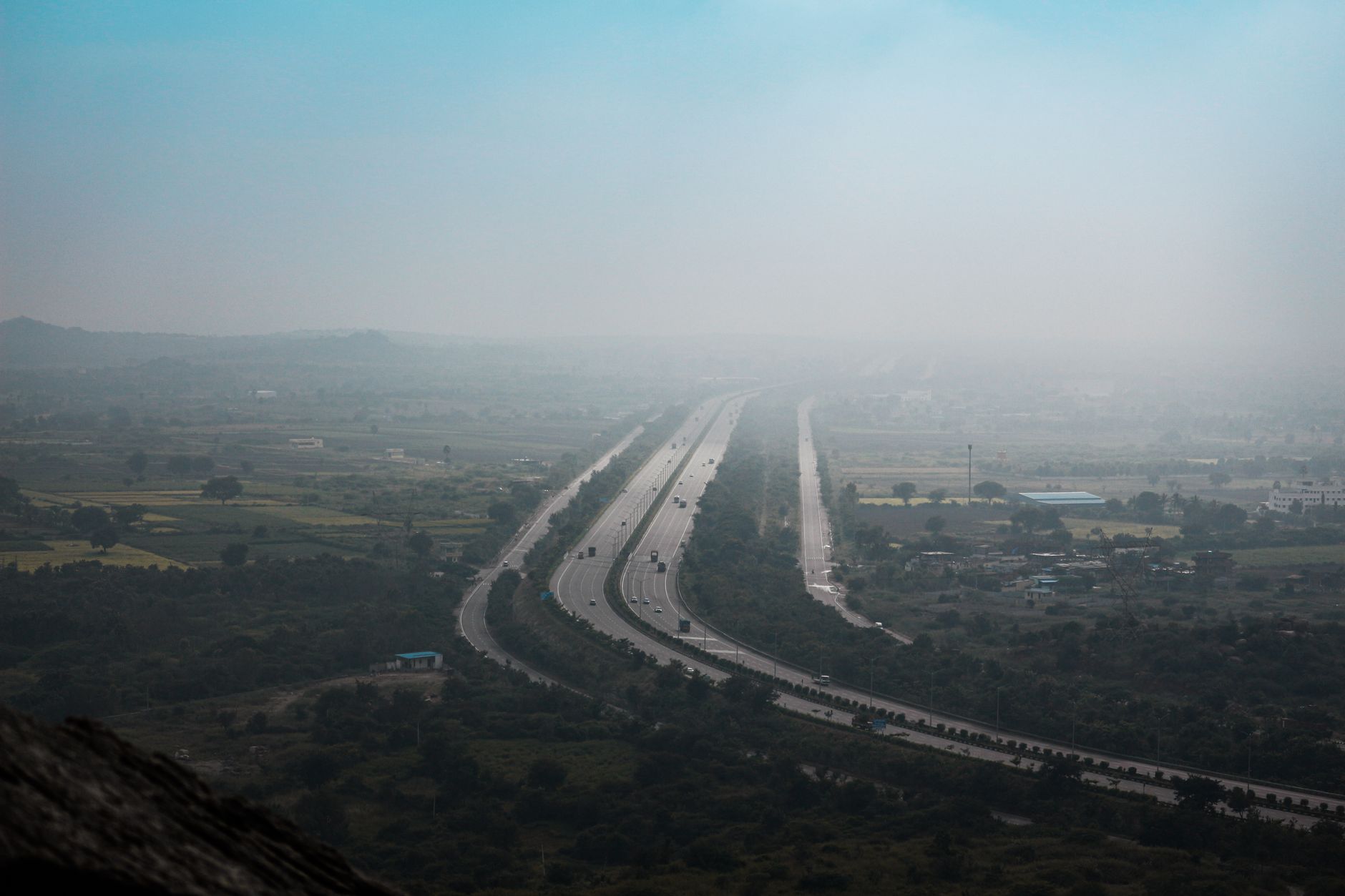
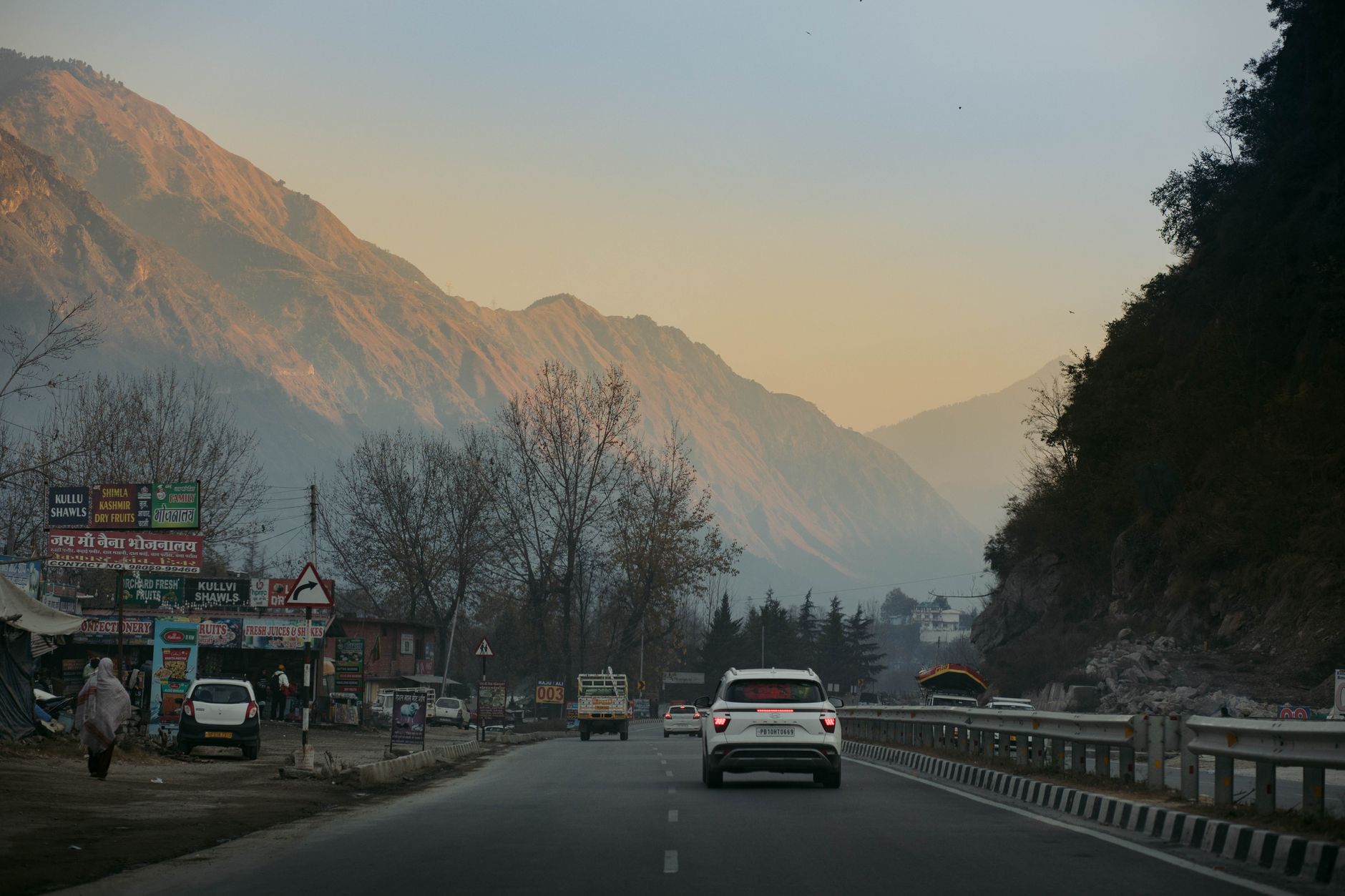
Road infrastructure improvements have accelerated in recent years, but last-mile connectivity to tourist sites frequently involves poorly maintained routes. Digital infrastructure, including reliable mobile networks and payment systems, also needs strengthening in rural and remote areas.
Employment Generation Potential
Tourism's multiplier effect on employment makes it particularly attractive for a country with India's demographic profile. Every direct job in tourism creates multiple indirect employment opportunities across agriculture, construction, retail, and services.
- Hotel and hospitality services
- Tour guides and travel operators
- Transportation services including drivers and pilots
- Handicraft and souvenir production
- Food and beverage services
- Event management and cultural performances
The sector particularly benefits women and youth, offering entrepreneurship opportunities in homestays, local experiences, and cultural tourism. Rural areas gain economic alternatives to agriculture, helping stem migration to overcrowded cities.
Untapped Segments and Opportunities
India has barely scratched the surface of several high-potential tourism segments. Medical tourism brings patients seeking quality healthcare at competitive prices, but lacks coordinated marketing and standardized facilities across providers. Wellness tourism, built around yoga, Ayurveda, and meditation, attracts international visitors but operates in fragmented ways without cohesive branding.
Adventure tourism remains underdeveloped despite the country's geographical diversity. Trekking, rafting, paragliding, and wildlife safaris exist but need better safety standards, trained guides, and sustainable practices. MICE tourism—meetings, incentives, conferences, and exhibitions—represents another growth area as India positions itself for business events.
Spiritual and pilgrimage tourism already draws massive domestic crowds, but international marketing could expand this segment significantly. Heritage circuits connecting historical sites need better interpretation centers, guides, and preservation efforts to compete with global standards.
Policy Interventions Required
Government policy plays a crucial role in unlocking tourism potential. Visa procedures have simplified through e-visas for many countries, but further liberalization could boost arrivals. Single-window clearances for tourism projects, tax incentives for hotel development in underserved regions, and subsidies for skill development programs would accelerate growth.
Public-private partnerships can bridge infrastructure gaps, with governments providing land and policy support while private operators bring expertise and capital. State tourism departments need adequate budgets and professional management rather than bureaucratic oversight.
Global Competitiveness
India competes globally with destinations offering comparable experiences at various price points. Successful tourism nations invest heavily in marketing, maintain cleanliness standards, ensure tourist safety, and provide seamless experiences from visa application through departure.
Marketing India as a unified destination rather than fragmented state offerings would strengthen brand recognition. Addressing concerns about safety, particularly for women travelers, through visible security measures and responsive support systems remains essential.
Cleanliness campaigns must extend beyond flagship sites to entire tourist circuits. Training programs should emphasize customer service, language skills, and cultural sensitivity among those interacting with visitors.
The Path Forward
Realizing tourism's potential requires coordinated action across government levels, private sector investment, and community participation. Infrastructure upgrades, skill development, sustainable practices, and aggressive marketing must proceed simultaneously rather than sequentially. With deliberate focus and sustained investment, tourism can indeed become a cornerstone of India's economic growth story, creating prosperity while showcasing the country's remarkable diversity to the world.