The global tourism industry is witnessing a fundamental shift in what travellers seek from their journeys. Gone are the days when tourists were content with ticking off landmarks from a checklist. Today's discerning travellers crave authentic, immersive experiences that connect them deeply with local cultures, traditions, and communities. This phenomenon, known as experiential travel, is rapidly becoming the dominant force reshaping international tourism.
Understanding Experiential Travel
Experiential travel prioritises meaningful engagement over passive observation. Rather than simply photographing the Taj Mahal, experiential travellers want to learn marble inlay techniques from local artisans in Agra. Instead of booking a standard Kerala houseboat tour, they seek homestays where they can cook traditional sadhya meals with local families.
This travel philosophy encompasses several key elements:
- Authentic cultural immersion and interaction with local communities
- Hands-on activities like cooking classes, craft workshops, or agricultural experiences
- Off-the-beaten-path destinations beyond major tourist circuits
- Sustainable and responsible tourism practices
- Personal transformation and learning opportunities
India's Unique Advantages
India stands exceptionally well-positioned to capitalise on this experiential travel boom, thanks to its unparalleled diversity across multiple dimensions. The country's 28 states and eight union territories offer dramatically different languages, cuisines, architectural styles, festivals, and customs within a single nation.
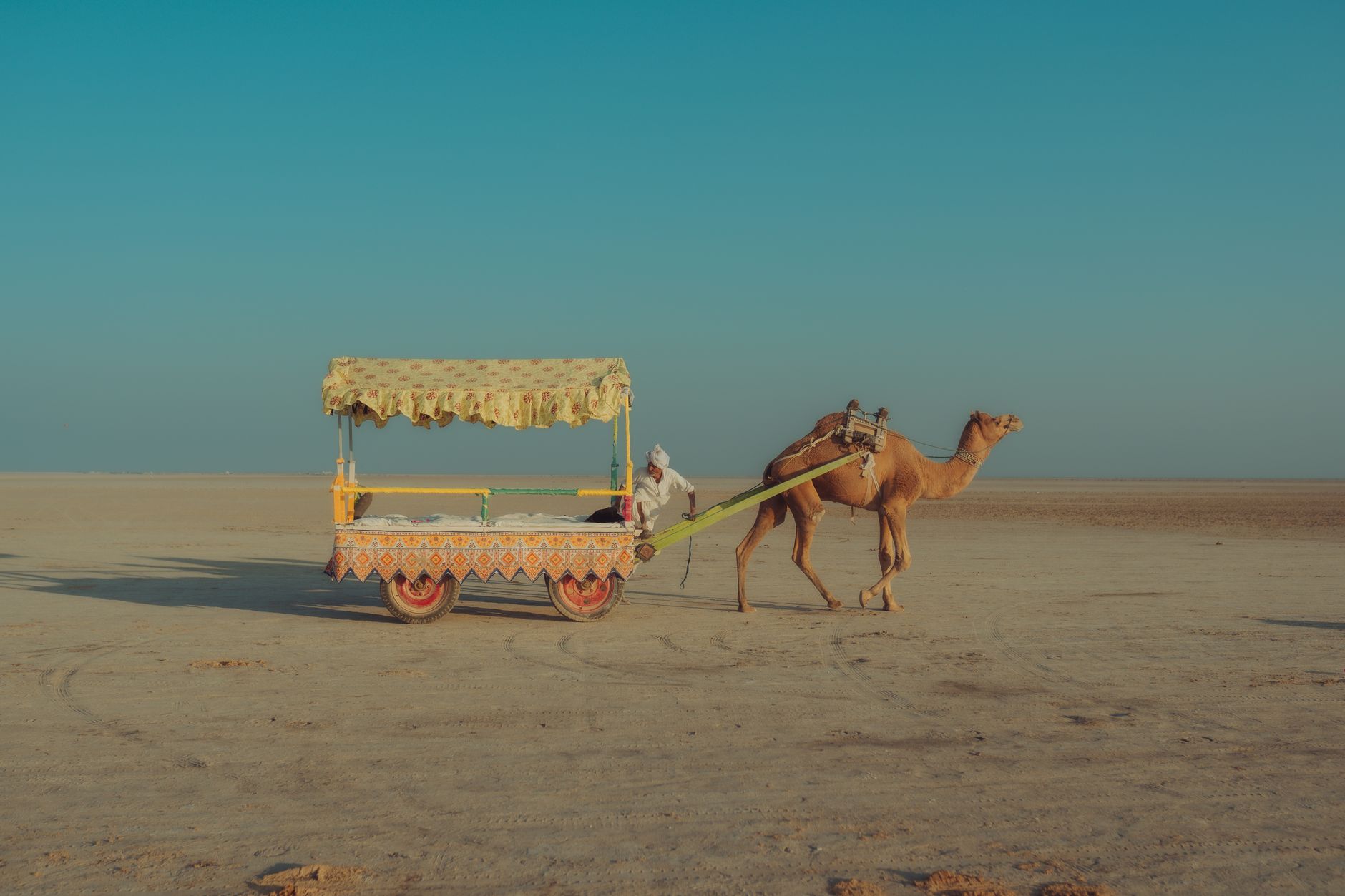
Few countries can match India's sheer variety of experiences. A traveller can participate in a Buddhist meditation retreat in Ladakh, learn classical Bharatanatyam dance in Tamil Nadu, volunteer at an elephant sanctuary in Kerala, attend a traditional Rajasthani wedding ceremony, or trek through tribal villages in Northeast India—all within one extended trip.
India's living heritage represents another significant advantage. Unlike museums that preserve history behind glass, India's ancient traditions remain vibrant parts of daily life. Handloom weavers still practice centuries-old techniques, temple rituals follow Vedic traditions unchanged for millennia, and oral storytelling traditions continue in rural communities. This authenticity cannot be manufactured or replicated.
Growing Market Demand
The experiential travel segment has shown remarkable growth globally, with research indicating that travellers—particularly millennials and Gen Z—increasingly allocate higher budgets for unique experiences rather than material souvenirs or luxury accommodations. The COVID-19 pandemic accelerated this trend, as travellers emerged with renewed priorities focused on meaningful connections and personal growth.
International travellers now actively seek opportunities to learn yoga at its source in Rishikesh, participate in village life in rural Rajasthan, study Ayurvedic medicine in Kerala, or join pottery workshops in Kumartuli. These experiences provide stories and skills that last far longer than photographs.
Infrastructure and Development Needs
Despite India's natural advantages, capturing the full potential of experiential travel requires addressing several challenges. Rural areas offering the most authentic experiences often lack adequate tourist infrastructure, including reliable transportation, comfortable accommodation options, and English-speaking guides.
Standardisation and quality control remain concerns. While some experiential tourism operators maintain excellent standards, others provide disappointing experiences that can damage India's reputation. Developing certification programmes and quality benchmarks would help ensure consistency.
Digital discoverability presents another challenge. Many authentic experiences exist in villages and small towns with limited online presence. Improving digital marketing capabilities and creating comprehensive platforms connecting travellers with verified experiential tourism providers would significantly enhance accessibility.
Economic and Social Impact
The experiential travel model offers substantial benefits for local communities. Unlike conventional tourism where revenue concentrates in hotels and tour companies, experiential travel distributes income more broadly. Home cooks, artisans, farmers, and small workshop owners become direct beneficiaries, creating sustainable livelihoods in rural areas and reducing urban migration pressures.
This model also incentivises cultural preservation. When traditional crafts, performing arts, and culinary traditions become economically valuable through tourism, communities gain motivation to maintain and transmit these practices to younger generations.
The Path Forward
India's tourism authorities and private sector stakeholders increasingly recognize experiential travel's potential. Initiatives promoting rural tourism, craft villages, and heritage walks reflect this awareness. However, scaling these efforts requires coordinated action across multiple areas: infrastructure investment, skill development for local communities, quality certification systems, and sophisticated digital marketing.
With thoughtful development that balances growth with authenticity and sustainability, India can establish itself as the world's premier destination for experiential travel, offering transformative journeys that benefit both visitors and host communities alike.