A recent viral social media post featuring a Zimbabwean man's enthusiastic observations about India's education system and cultural approach to learning has reignited conversations about educational infrastructure, accessibility, and priorities in developing economies. The visitor's comments, describing India as a "completely different world" compared to his home country, have resonated with millions while also prompting nuanced discussions about educational challenges and achievements across nations.
What Made the Testimonial Go Viral
The Zimbabwean visitor highlighted several aspects of India's educational landscape that struck him as transformative. His observations reportedly focused on the widespread availability of educational institutions, the aspirational culture surrounding academic achievement, and the infrastructure supporting student learning across urban and rural areas. The contrast he drew between the two nations touched on fundamental differences in educational access, governmental investment in schooling, and societal attitudes toward knowledge acquisition.
Social media users across platforms engaged with the content, with reactions ranging from national pride to critical self-reflection about gaps that still exist within India's educational system. The testimonial gained traction partly because it offered an external perspective on systems that Indians themselves often critique.
Understanding Educational Contexts in Both Nations
Zimbabwe's education system, once considered among the best in Africa during the 1980s and early 1990s, has faced significant challenges over the past two decades. Economic instability, currency devaluation, and political upheaval have severely impacted school infrastructure, teacher retention, and resource availability. Many schools struggle with basic supplies, and teacher strikes over inadequate compensation have become common. Brain drain has also affected the sector, with qualified educators seeking opportunities abroad.
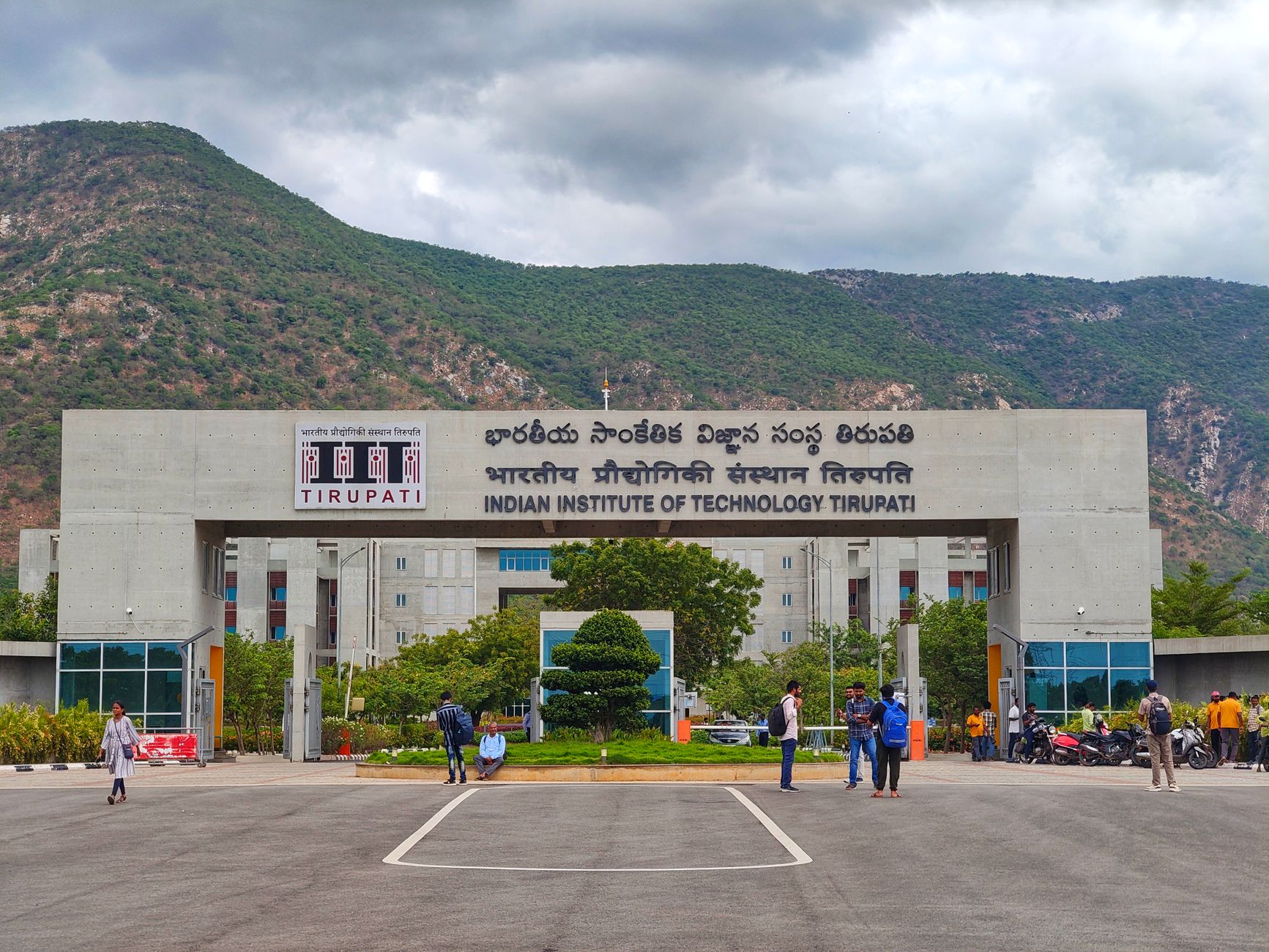
India's educational landscape, while facing its own substantial challenges, operates at a vastly different scale. With over 1.5 million schools serving more than 250 million students, India has built one of the world's largest educational infrastructures. Government initiatives like the Right to Education Act have expanded access, while programmes like mid-day meal schemes address barriers to attendance. The proliferation of coaching centres, private institutions, and digital learning platforms reflects a culture intensely focused on educational credentials.
The Cultural Dimension of Learning
One aspect frequently mentioned in discussions about Indian education is the societal emphasis placed on academic achievement. Education is often viewed as the primary vehicle for social mobility, leading to intense parental investment in children's schooling. This cultural framework creates an environment where learning institutions are numerous, competitive examinations are normalized, and academic success carries significant social weight.
This approach has both advantages and drawbacks. While it drives educational aspiration and infrastructure development, it also creates pressure-cooker environments and sometimes prioritizes rote learning over critical thinking. The comparison with Zimbabwe highlights how cultural attitudes toward education shape not just policy but the entire ecosystem surrounding learning.
Internet Reactions and Balanced Perspectives
Online responses to the Zimbabwean visitor's praise revealed the complexity of educational comparisons. Many Indian users expressed pride while acknowledging ongoing issues like:
- Quality disparities between urban and rural schools
- Overcrowded classrooms in government institutions
- Examination-centric approaches that may stifle creativity
- Significant dropout rates, especially among marginalized communities
- Infrastructure gaps in underfunded regions
Some commenters from other African nations shared similar observations, while others noted that Zimbabwe's current struggles don't reflect the continent's diverse educational landscape. Several responses emphasized that educational success shouldn't be measured solely by infrastructure but also by outcomes like critical thinking, creativity, and equitable access.
Lessons From Cross-Cultural Educational Observations
This viral moment underscores the value of cross-cultural perspectives in assessing educational systems. External observations can highlight strengths that residents take for granted while also prompting reflection on areas needing improvement. For India, such testimonials may encourage continued investment in educational infrastructure while hopefully also inspiring focus on quality and equity.
For nations facing educational challenges, India's scale-based approach offers certain lessons about systemic expansion, though context-specific solutions remain essential. No educational model transplants perfectly across borders, as systems must respond to unique economic conditions, cultural values, and governmental capacities.
The conversation sparked by one visitor's observations ultimately benefits from moving beyond simple comparisons toward understanding the complex factors that shape how societies educate their young people and what barriers prevent all children from accessing quality learning opportunities.