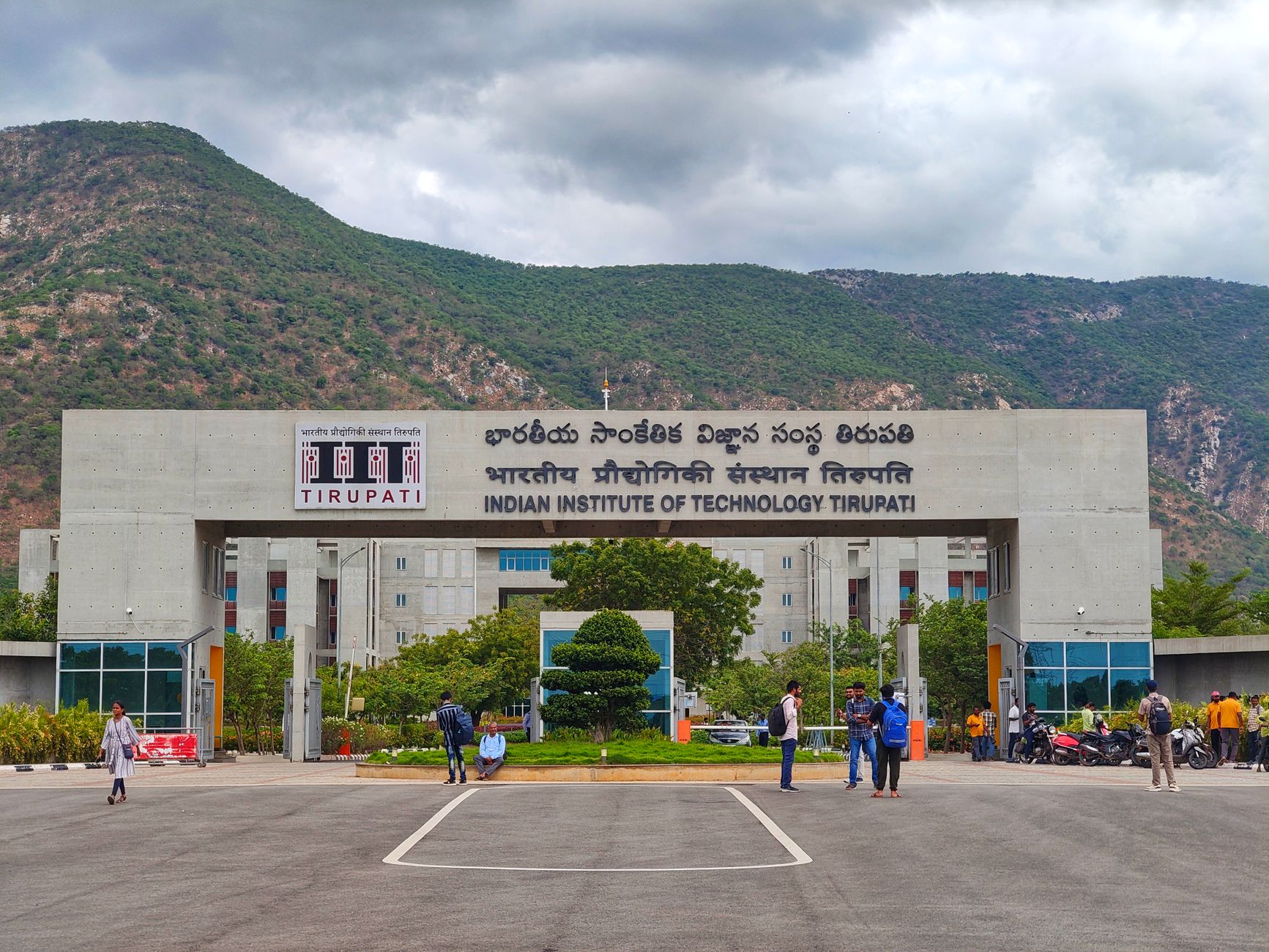
India's education system stands at a critical crossroads. Recent conversations have highlighted how seemingly unrelated elements—from deteriorating infrastructure symbolised by pest infestations in schools to protests at iconic locations like Jantar Mantar—paint a picture of a system in distress. For many observers, these stark realities have prompted a fundamental reassessment of long-held beliefs about education in the country.
The Scale of the Crisis
India's education challenges are multifaceted and deeply entrenched. Despite significant improvements in enrollment rates over the past two decades, learning outcomes remain stubbornly poor. According to recent assessments, a substantial proportion of students in primary grades cannot read grade-appropriate text or perform basic arithmetic operations. This learning poverty affects millions of children, particularly in government schools that serve the economically disadvantaged.
The infrastructure crisis compounds these problems. Many schools lack basic amenities like functional toilets, clean drinking water, and adequate classrooms. Reports of pest infestations, crumbling buildings, and overcrowded spaces are not isolated incidents but systemic failures that create environments unsuitable for learning.
Why Perspectives Are Shifting
Many educated Indians initially defended the system, pointing to success stories of individuals who rose from humble backgrounds through education. However, confronting the ground realities has forced a reckoning. The gap between rhetoric and reality has become impossible to ignore.
Several factors drive this shift in perspective:
- Direct exposure to conditions in government schools reveals the stark contrast with private institutions
- Recognition that individual success stories mask systemic failures affecting millions
- Understanding that rote learning and exam-focused approaches fail to develop critical thinking
- Awareness that teacher training and motivation remain inadequate across most states
- Acknowledgment that bureaucratic inefficiencies hamper meaningful reform efforts
The Protest Culture and Accountability
Student and teacher protests at places like Jantar Mantar in Delhi have become increasingly common. These demonstrations reflect frustration with unmet demands ranging from better infrastructure and teacher appointments to policy reforms and examination system changes. While protests highlight grievances, they also expose the disconnect between policy-makers and ground-level stakeholders.
Critics argue that the education establishment—including bureaucrats, politicians, and even some educators—has resisted fundamental reforms that might threaten existing power structures. This resistance perpetuates a system where accountability remains weak and vested interests often override student welfare.
Beyond Infrastructure: The Quality Question
Physical infrastructure, while important, represents only part of the problem. The pedagogical approach in most Indian schools emphasises memorization over comprehension, discourages questioning, and prioritises examination scores above actual learning. This approach produces students who may pass exams but lack the skills needed for today's economy.
Teacher quality and motivation present another challenge. Many teachers lack adequate training in modern pedagogical methods. Low salaries in some states, delayed appointments, and poor working conditions affect morale. Additionally, teachers often spend significant time on non-teaching duties like census work or election duties, further reducing instructional time.
The Private vs Public Divide
The mushrooming of private schools, including low-cost private institutions in urban slums and rural areas, reflects parental dissatisfaction with government schools. Even economically disadvantaged families make sacrifices to send children to private schools, perceiving them as offering better prospects.
However, this trend creates its own problems. It drains resources and motivated parents from government schools, further weakening them. Meanwhile, many private schools, especially budget ones, operate with minimal regulation and may not deliver significantly better learning outcomes despite charging fees.
Moving Forward: A Changed Perspective
Those who have switched their stance now advocate for systemic rather than superficial reforms. This includes:
- Complete overhaul of teacher training and recruitment processes
- Genuine decentralization allowing schools greater autonomy
- Curriculum reforms emphasising conceptual understanding and life skills
- Robust accountability mechanisms with community participation
- Adequate and timely funding with transparent utilization
- Dignified infrastructure meeting basic health and safety standards
The education crisis demands honest acknowledgment of failures rather than defensive posturing. Only by confronting uncomfortable truths about systemic dysfunction can meaningful change begin. For many, this realization has meant abandoning earlier defensive positions and joining calls for fundamental transformation of how India educates its children.
The stakes could not be higher. With the world's largest youth population, India's future depends on whether it can provide quality education to all children, regardless of economic background. Half-measures and incremental tweaks will no longer suffice.