In a significant development for Indian management education, one of the country's premier business schools has announced a strategic collaboration aimed at transforming how future business leaders are trained. This partnership represents a growing recognition that technical expertise alone no longer suffices in today's complex corporate environment.
The Evolution of Management Education
Traditional management education in India has historically focused heavily on analytical skills, financial acumen, and strategic frameworks. Students spend considerable time mastering case studies, quantitative methods, and industry-specific knowledge. However, employers increasingly report a gap between what graduates know and how effectively they can apply that knowledge in real-world team settings.
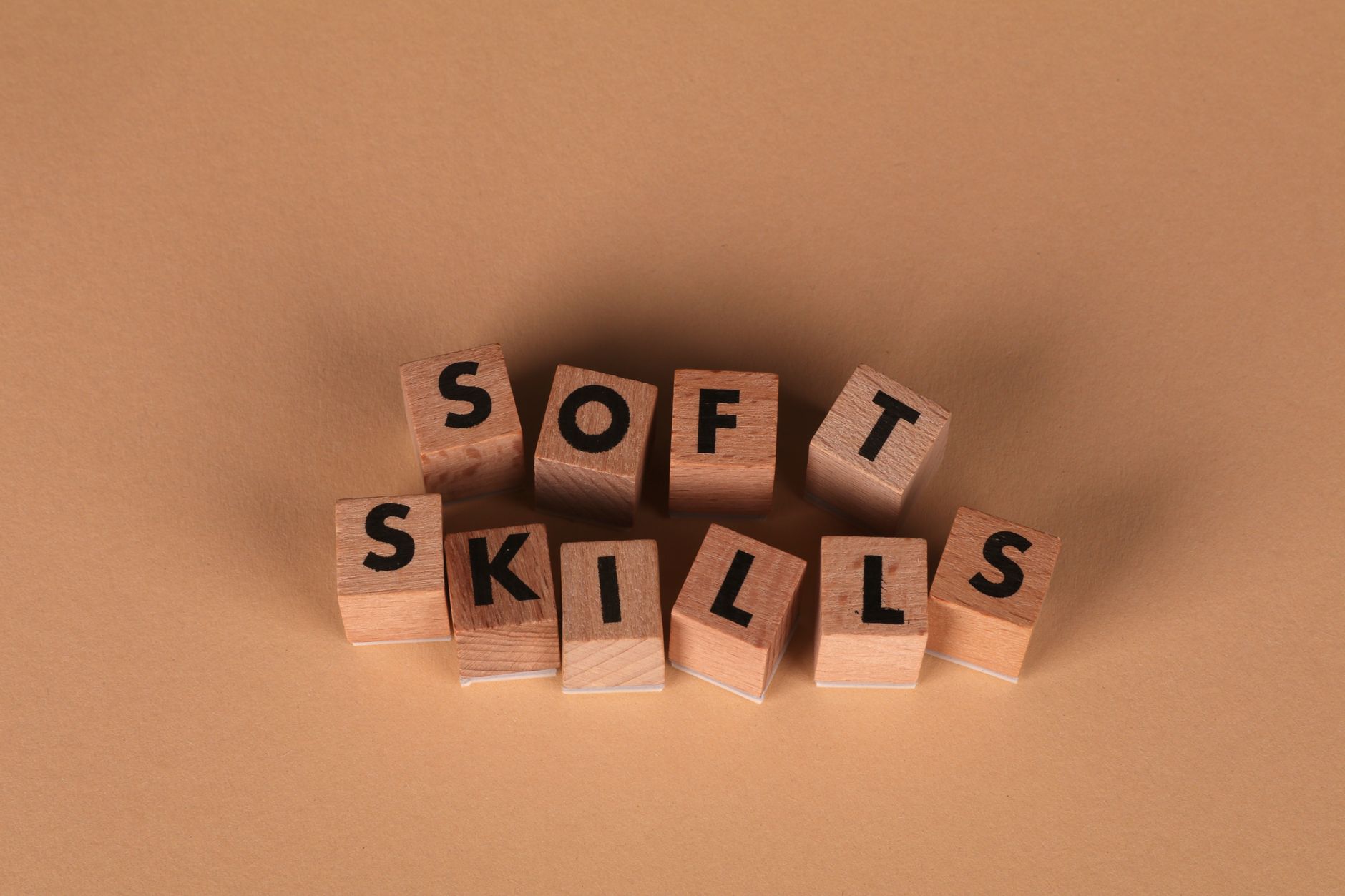
The modern workplace demands professionals who can communicate persuasively, navigate interpersonal conflicts, inspire teams, and adapt their leadership style to diverse situations. These behavioural competencies—often called soft skills—have become critical differentiators in career advancement and organizational success.
Why Behavioural Skills Matter
Research consistently shows that emotional intelligence and interpersonal effectiveness correlate strongly with leadership success. Managers who excel at building relationships, providing constructive feedback, and creating psychological safety within teams typically achieve better business outcomes than those who rely solely on technical expertise.
Several factors drive this shift:
- Increasingly diverse and globally distributed workforces require cultural sensitivity and adaptive communication styles
- Rapid technological change demands continuous learning and resilience in the face of uncertainty
- Flatter organizational structures place premium on influence and collaboration rather than hierarchical authority
- Remote and hybrid work models necessitate stronger trust-building and virtual communication capabilities
What This Partnership Offers
By integrating established behavioural training methodologies into formal management curricula, educational institutions can provide students with structured opportunities to develop these crucial competencies. Such partnerships typically combine academic rigour with practical skill-building exercises.
Students might engage in activities such as peer coaching sessions, recorded presentation reviews with detailed feedback, role-playing exercises for difficult conversations, and self-assessment tools that build awareness of personal communication patterns and blind spots.
The Broader Trend in Indian B-Schools
This collaboration reflects a wider movement across Indian business education. Several top-tier institutions have recently expanded their focus beyond traditional disciplines to include modules on emotional intelligence, executive presence, negotiation psychology, and organizational behaviour applications.
Some schools now require students to complete competency portfolios demonstrating growth in areas like active listening, empathy, conflict resolution, and stakeholder management. Others have introduced peer feedback systems where classmates assess each other's collaborative effectiveness throughout group projects.
Implementation Challenges
Integrating behavioural training into established curricula presents several challenges. Unlike finance or operations management, soft skills development requires personalized feedback, significant practice opportunities, and psychological safety for students to experiment and occasionally fail.
Assessment also becomes more nuanced—measuring someone's growth in persuasive communication or team leadership cannot rely solely on written examinations. Effective programs typically employ multiple evaluation methods including self-reflection journals, 360-degree feedback from peers and faculty, and demonstration of skills in simulated business scenarios.
Industry Response
Corporate recruiters have long advocated for greater emphasis on behavioural competencies in management education. Many organizations invest heavily in training programs to develop these skills among new hires, representing duplicated effort and delayed productivity.
By addressing these gaps during formal education, graduates enter the workforce better equipped to contribute immediately. They require less remedial training in fundamental interpersonal skills and can focus professional development resources on company-specific or role-specific capabilities.
Student Benefits
For students, developing behavioural skills during their management education offers multiple advantages. These competencies transfer across industries and functions, providing career flexibility. As professionals advance, technical knowledge becomes increasingly commoditized while leadership and interpersonal effectiveness become primary differentiators.
Additionally, self-awareness and communication skills developed through structured programs benefit students' personal lives, improving relationship quality and overall well-being beyond professional contexts.
Looking Forward
As the business landscape continues evolving, the integration of behavioural skill development into formal management education will likely become standard rather than exceptional. Institutions that successfully blend analytical rigour with interpersonal competency development will produce graduates better prepared for leadership challenges in an increasingly complex global economy.
This partnership model may inspire similar collaborations across Indian higher education, ultimately elevating the quality and relevance of professional preparation nationwide.