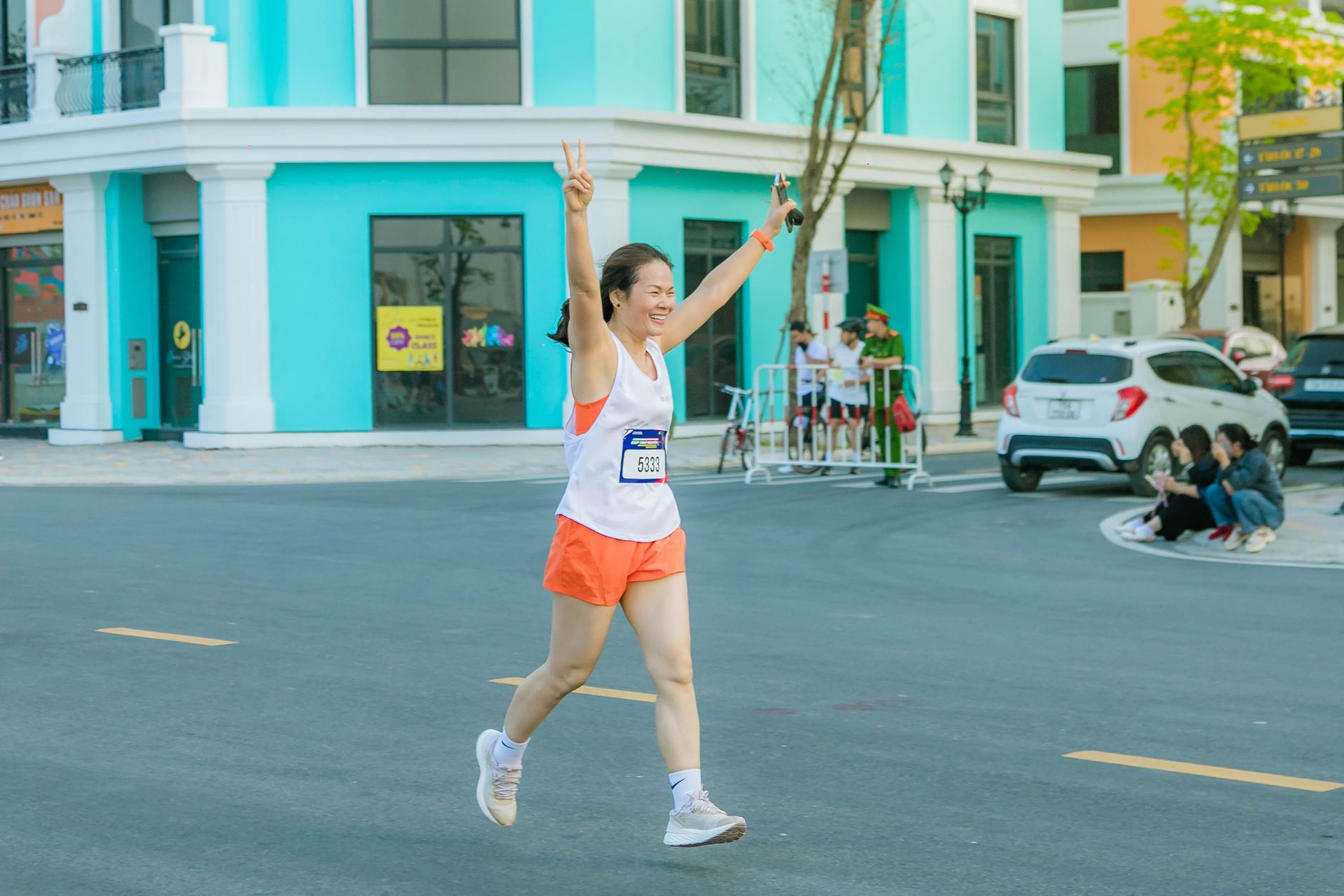
In an extraordinary display of determination and maternal dedication, a woman from Maharashtra has captured hearts across India after winning a marathon while running barefoot. Her motivation was clear and powerful: to raise funds for her daughters' education, highlighting both her personal sacrifice and the broader challenges many families face in ensuring quality schooling for their children.
The Growing Cost of Education in India
Education expenses have become a significant burden for middle and lower-income families across India. While government schools offer free or subsidised education, many parents aspire to provide private schooling for their children, believing it offers better opportunities. The costs extend beyond tuition fees to include books, uniforms, transportation, extracurricular activities, and technology requirements that have surged in the digital age.
For families in rural and semi-urban areas of states like Maharashtra, these expenses can consume a substantial portion of household income. Parents often make difficult choices, sometimes prioritising one child's education over another's or taking on additional work to meet these demands.
Why Parents Go to Extraordinary Lengths
The value placed on education in Indian society cannot be overstated. Parents view education as the primary pathway for their children to escape poverty, secure stable employment, and achieve upward social mobility. For daughters specifically, education is increasingly seen as essential for independence, better marriage prospects, and the ability to support themselves.
This cultural emphasis explains why parents undertake remarkable sacrifices. Stories of rickshaw pullers sending children to engineering colleges, domestic workers funding medical school tuitions, and now marathon runners competing barefoot for prize money all reflect the same underlying commitment.
The Physical Challenge of Barefoot Running
Running a marathon—covering 42.195 kilometres—is demanding under the best circumstances. Doing so without proper footwear adds multiple layers of difficulty and risk. The feet must absorb impact directly, increasing the likelihood of cuts, blisters, bruising, and potential stress fractures.
Modern running shoes provide cushioning, arch support, and protection from rough terrain. Without them, runners must maintain exceptional form and mental toughness. The fact that this mother not only completed but won the marathon barefoot speaks to extraordinary physical conditioning and psychological resilience.
Marathons as Fundraising Platforms
Marathons and similar endurance events have become popular fundraising mechanisms globally. Participants often run for charitable causes, soliciting donations from sponsors based on their completion or performance. Prize money for winners can range from modest sums in local events to substantial amounts in prestigious races.
In India, the marathon culture has grown significantly over the past two decades, with major cities hosting annual events that attract thousands of participants. These races often include categories for different age groups and skill levels, making them accessible to dedicated amateur runners alongside professionals.
Educational Financing Alternatives for Struggling Families
While this mother's approach was unconventional, several formal options exist for families struggling with education costs:
- Government scholarship schemes based on merit and economic status
- Education loans from banks and non-banking financial companies
- Corporate social responsibility programmes offering educational support
- Non-profit organisations providing school fee assistance
- State-specific welfare schemes for girl child education
- Crowdfunding platforms for emergency education expenses
The Girl Child Education Imperative
India has made significant strides in improving female literacy rates, yet challenges persist. Cultural preferences for male children, early marriage pressures, and perceived lower returns on investing in daughters' education continue to affect enrolment and retention rates in some communities.
Success stories of educated women breaking barriers in every field—from corporate leadership to scientific research—are gradually shifting mindsets. Government initiatives like Beti Bachao Beti Padhao and schemes providing financial incentives for families educating daughters aim to accelerate this change.
The Ripple Effect of Such Stories
When stories like this marathon victory gain public attention, they often inspire concrete action. Local authorities, charitable organisations, and individuals frequently step forward to offer assistance to the featured family. Beyond immediate help, such narratives challenge societal attitudes about gender, poverty, and the value of education.
They also spotlight systemic gaps in educational accessibility and financing, potentially influencing policy discussions. Media coverage can mobilise community support and create pressure for institutional reforms that address the root causes of such struggles.
The Maharashtra mother's barefoot marathon victory stands as a powerful testament to parental sacrifice and determination. It reminds us that behind education statistics are real families making extraordinary efforts to secure better futures for their children, particularly daughters who have historically faced additional barriers to schooling opportunities.