India's premier policy think tank has raised alarm bells about the state of higher education in the country, particularly the disconnect between what millions of students study and what the job market actually needs. The observation comes at a time when youth unemployment remains a persistent challenge, and questions about the relevance of traditional degree programs grow louder.
The Scale of the Problem
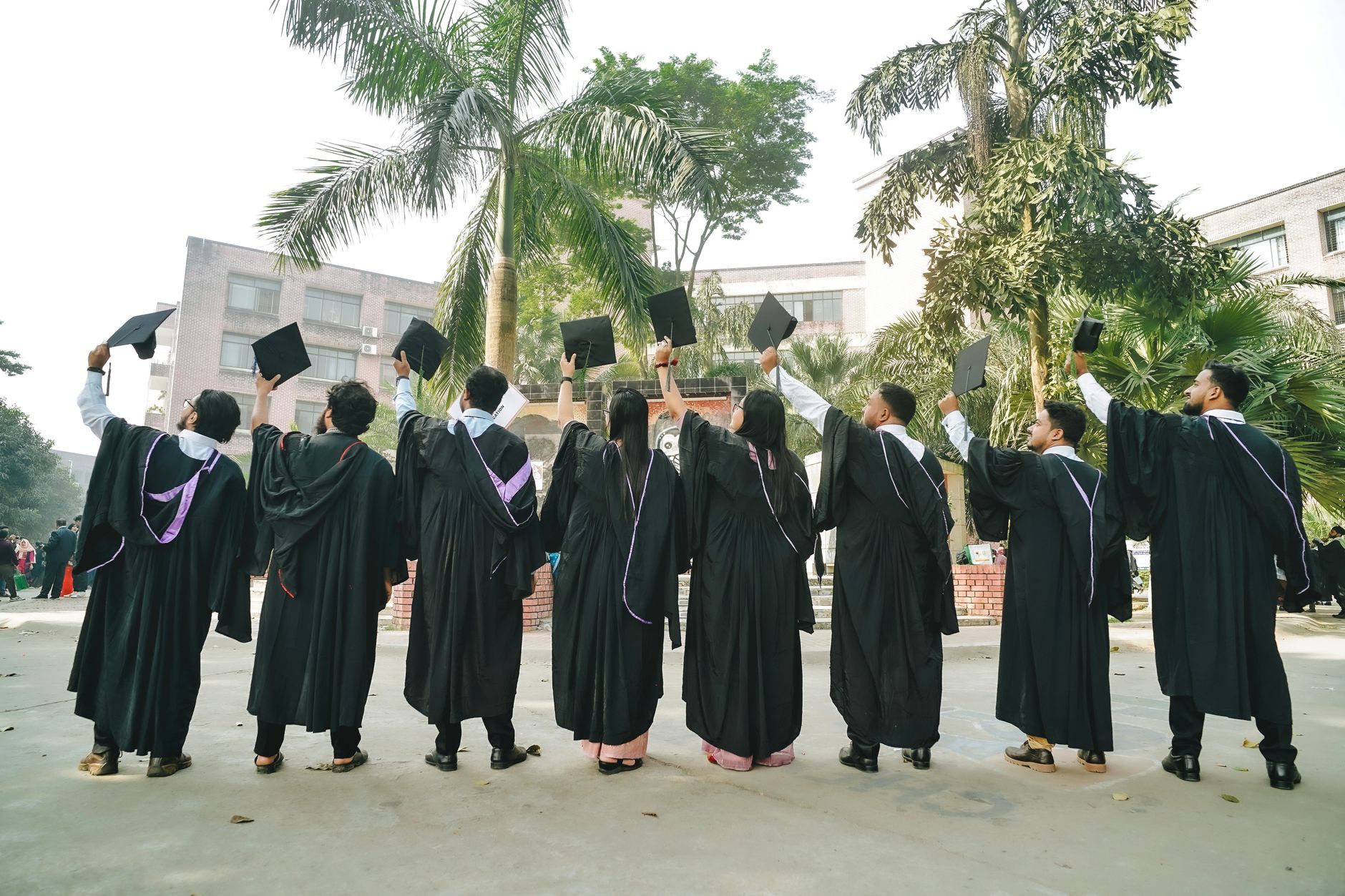
Every year, crores of Indian students pursue Bachelor of Arts (BA) and Bachelor of Commerce (BCom) degrees through the country's vast network of universities and colleges. These programs have been the backbone of Indian higher education for decades, offering accessible and affordable pathways to graduation for students from diverse backgrounds.
However, the sheer volume of graduates from these streams has created a paradox. While more Indians than ever hold undergraduate degrees, many struggle to find suitable employment or discover that their qualifications do not align with industry requirements. The result is a growing pool of educated but underemployed or unemployed youth.
Why Traditional Degrees Fall Short
The concerns raised about BA and BCom programs center on several fundamental issues that have evolved over time:
- Curriculum designed decades ago often remains unchanged, failing to incorporate modern skills and knowledge areas
- Limited emphasis on practical, hands-on learning and industry exposure during the degree program
- Generic course structures that do not specialize students for specific career paths
- Insufficient integration of technology and digital literacy in most traditional programs
- Teaching methods that prioritize rote learning over critical thinking and problem-solving
The Jobs-Skills Mismatch
India's economy has transformed dramatically over the past two decades, with rapid growth in sectors like information technology, e-commerce, financial services, and advanced manufacturing. These industries demand specific skill sets that traditional arts and commerce degrees often do not provide.
Employers consistently report difficulty finding candidates with job-ready skills, even as unemployment figures remain concerning. This mismatch means that graduates must either pursue additional certifications, enroll in specialized training programs, or accept positions for which they are overqualified but lack specific competencies.
What Reimagining Higher Education Could Look Like
Addressing these challenges requires a fundamental rethinking of how higher education is structured and delivered in India. Several approaches are being discussed and piloted:
The National Education Policy 2020 already provides a framework for reform, emphasizing multidisciplinary education, flexibility in course selection, and multiple entry-exit points. However, implementation remains uneven across institutions.
Vocational integration represents another crucial element. Rather than treating vocational training as separate from academic education, successful models blend theoretical knowledge with practical skills throughout the degree program. This approach helps students develop marketable abilities while pursuing their chosen field of study.
Industry collaboration can transform curriculum design and delivery. When universities partner closely with employers, they gain valuable insights into evolving skill requirements and can adjust programs accordingly. Internships, live projects, and guest lectures from industry professionals make education more relevant and applicable.
The Technology Dimension
Digital transformation has fundamentally altered the skills landscape. Even graduates pursuing careers in traditional fields need comfort with technology platforms, data analysis tools, and digital communication. Building these competencies into arts and commerce programs is no longer optional but essential.
Online learning platforms and blended education models also offer opportunities to make quality higher education more accessible and customizable. Students can supplement their core degree with specialized courses aligned to their career interests.
The Way Forward
Reforming higher education is not about abandoning arts and commerce disciplines, which provide valuable critical thinking, communication, and analytical foundations. Rather, it requires updating these programs to ensure graduates emerge with both theoretical knowledge and practical capabilities.
This transformation demands coordinated action from policymakers, universities, faculty members, and industry stakeholders. It also requires adequate funding, infrastructure development, and teacher training to support new pedagogical approaches.
For students currently pursuing or considering BA and BCom degrees, the message is clear: supplement your formal education with skills development, seek practical experience through internships, and remain adaptable to the changing employment landscape.
The urgency flagged by NITI Aayog reflects a recognition that India's demographic dividend can only be realized if the education system equips young people for meaningful, productive careers. Without reform, the gap between credentials and capabilities will continue to widen, with significant economic and social consequences.