The dream of studying abroad has long been a cornerstone aspiration for ambitious Indian students. However, recent trends suggest that nearly half of India's Gen Z population is reconsidering their overseas education plans, primarily due to escalating costs and increasingly restrictive visa regulations in popular destination countries.
The Cost Factor: Education Gets Pricier
The financial burden of international education has grown substantially over the past few years. Tuition fees at universities in traditional destinations like the United States, United Kingdom, Canada, and Australia have increased by 15-30 percent in many programs since 2020. When combined with living expenses, accommodation, health insurance, and travel costs, a typical undergraduate degree can now cost anywhere from Rs 50 lakh to over Rs 1 crore.
The weakening of the Indian rupee against major currencies has further compounded this challenge. What might have been an affordable option a few years ago now requires significantly more rupees for the same dollar or pound expenditure. Middle-class families, who traditionally formed the backbone of India's outbound student population, are finding it increasingly difficult to arrange such substantial funds, especially in an uncertain economic climate.
Visa Restrictions Tighten Globally
Beyond costs, immigration policies in key destination countries have become notably more stringent. Several nations have introduced caps on student visas, increased financial requirements for visa applications, and tightened post-study work permit regulations.
The United Kingdom, for instance, has implemented restrictions on students bringing dependents and has raised the financial threshold that students must demonstrate. Canada has announced plans to reduce international student intake by significant percentages. Australia has tightened its student visa assessment processes, while the United States continues to face processing delays and higher rejection rates for certain categories.
These policy shifts have created uncertainty among prospective students and their families, who worry not just about gaining admission but also about securing visas and post-graduation employment opportunities that justify the massive investment.
The Impact on Career Planning
For many Indian students, studying abroad was not merely about education but about securing better career prospects and potential permanent residency in developed countries. However, with work visa pathways becoming narrower and more competitive, the return on investment calculation has changed dramatically.
Countries that once offered relatively straightforward post-study work rights are now implementing point-based systems, salary thresholds, and occupation lists that make securing long-term employment authorization far more challenging. This uncertainty is prompting students to question whether the financial and personal investment in overseas education makes sense when career outcomes are no longer assured.
Domestic Alternatives Gain Traction
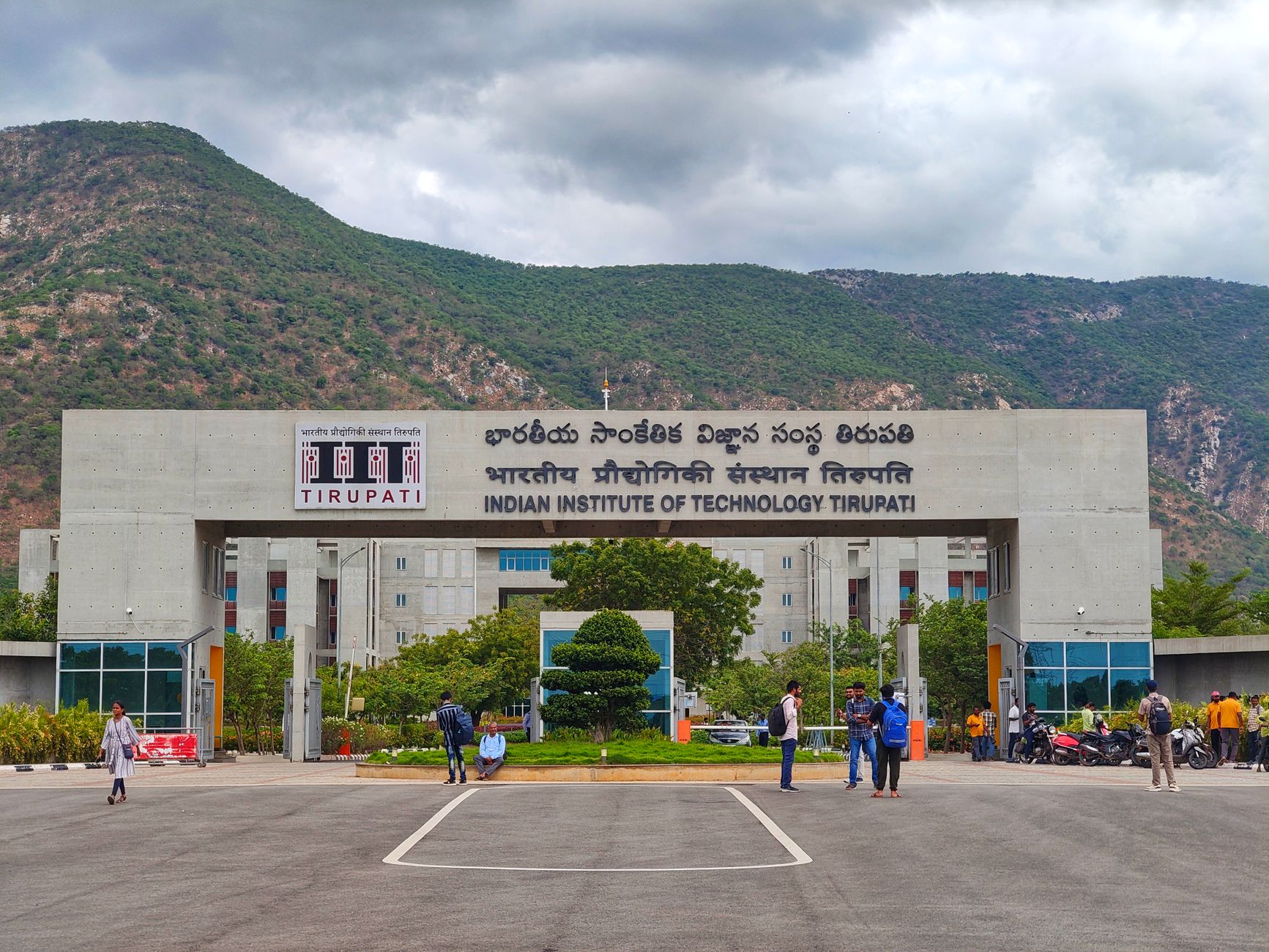
As international education becomes less accessible, Indian students are increasingly turning their attention to domestic options. Premier Indian institutions like the IITs, IIMs, NITs, and several private universities have been upgrading their infrastructure, faculty, and industry connections.
Some key trends include:
- Growing preference for top-tier Indian universities offering globally recognized programs
- Increased enrollment in online degrees from foreign universities that cost a fraction of on-campus programs
- Rising interest in hybrid models combining Indian degrees with short-term international certifications
- Greater acceptance of Indian credentials by multinational employers operating in India
Additionally, India's expanding startup ecosystem and the growth of multinational corporations establishing significant operations in Indian cities have created domestic career opportunities that compete favorably with overseas options.
The Changing Mindset
Gen Z students are also demonstrating a more pragmatic approach to education and career planning. Unlike previous generations who viewed foreign degrees as automatically superior, today's students are conducting careful cost-benefit analyses. They weigh factors like family proximity, cultural comfort, entrepreneurial opportunities in India's booming economy, and the psychological toll of migration against the potential benefits of international exposure.
Social media and digital connectivity have also played a role, making it easier for students to access global knowledge, collaborate internationally, and build networks without physically relocating. Remote work opportunities have further blurred geographical boundaries in many professions.
Looking Ahead
While studying abroad remains aspirational for many Indian students, the changing economics and policy landscape have made it a more selective choice. Those who do pursue international education are likely to be more strategic, targeting specific programs with clear career outcomes, scholarships, or countries with more welcoming immigration policies.
For the nearly half who are reconsidering, the focus is shifting toward maximizing opportunities within India while staying open to international experiences through shorter-term options like exchange programs, internships, or postgraduate specializations after establishing a career foundation at home.