India's demographic dividend—a young, working-age population that should theoretically drive economic growth—has become a double-edged sword. With over 600 million people under the age of 25, the country has the world's largest youth population. However, rather than translating into prosperity, this demographic advantage is increasingly marked by frustration, unemployment, and anger directed at systemic failures in education and job creation.
The Education-Employment Gap
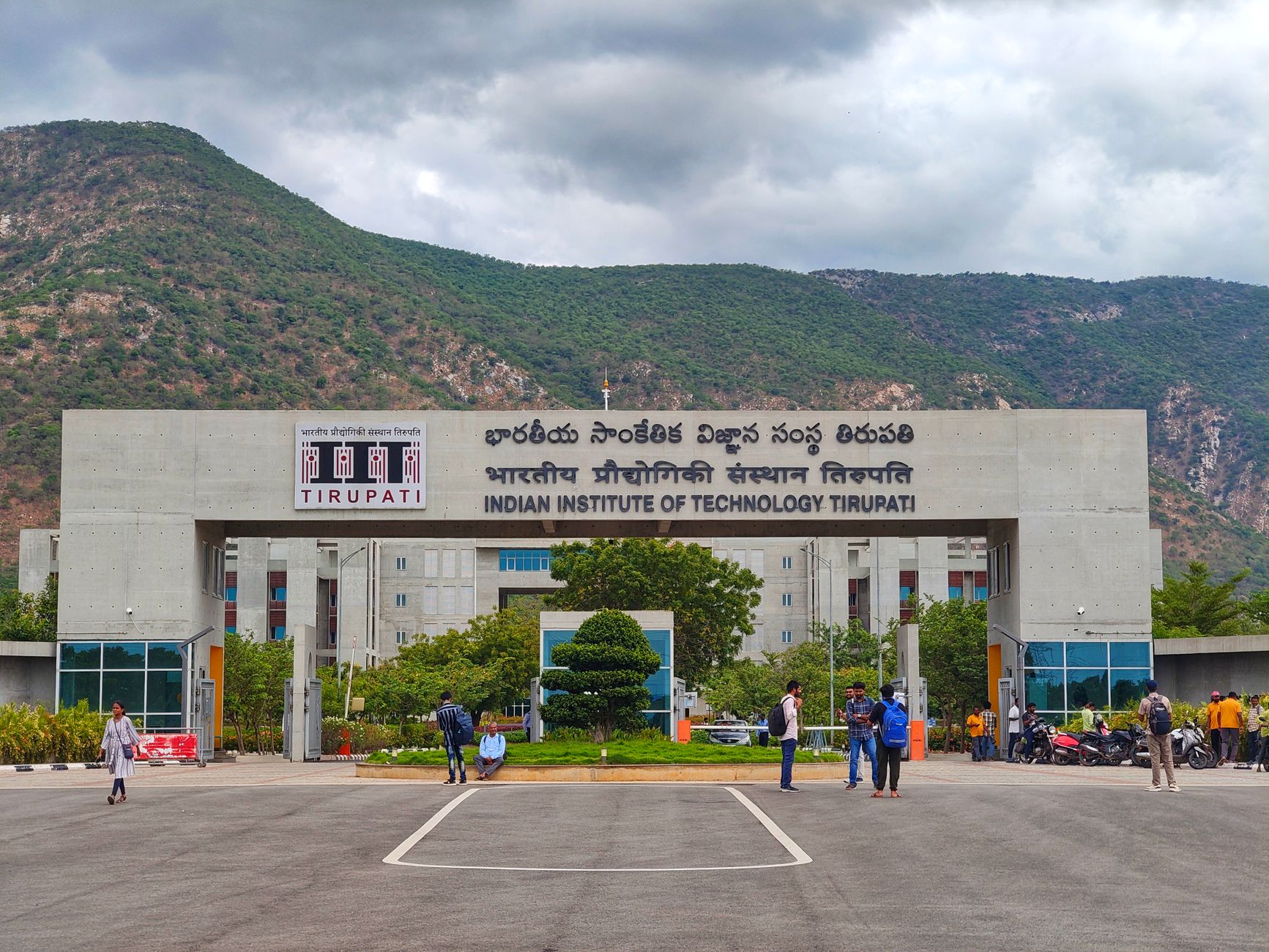
At the heart of youth discontent lies a fundamental mismatch between India's education system and the employment market. Millions of graduates emerge from universities each year, yet many find themselves unemployable or forced to accept jobs far below their qualification levels. Engineers drive autorickshaws, postgraduates work in call centers, and doctorate holders compete for clerical positions.
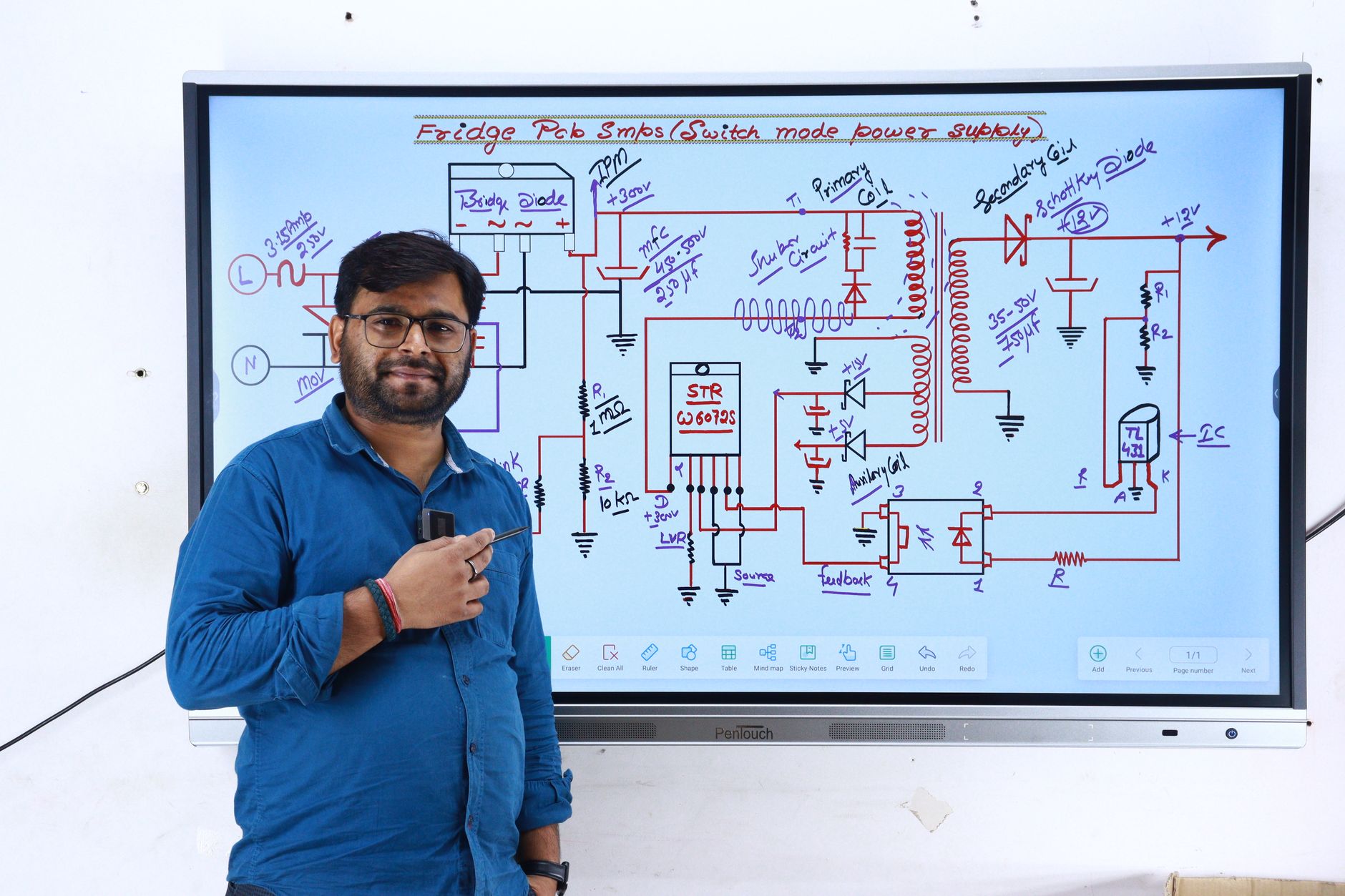
The problem is multifaceted. India's education system remains heavily theory-oriented, with limited emphasis on practical skills, critical thinking, or vocational training. Rote learning continues to dominate classrooms, producing students who can memorize textbooks but struggle to apply knowledge in real-world scenarios. Meanwhile, the private sector demands candidates with soft skills, technical proficiency, and adaptability—qualities that traditional education rarely cultivates.
Examination Controversies and Trust Deficit
Recent years have witnessed multiple high-stakes examination scandals that have shaken public confidence. Paper leaks, marking irregularities, and allegations of corruption in competitive exams have affected millions of aspirants. When students spend years preparing for entrance tests to medical schools, engineering colleges, or civil services, only to see exams postponed, cancelled, or compromised, their faith in meritocracy erodes.
These controversies carry enormous consequences. In a country where a single examination can determine someone's entire career trajectory, any perception of unfairness generates widespread anger. Parents invest life savings in coaching classes, students sacrifice their youth to preparation, and when the system appears rigged, the psychological and financial toll is devastating.
The Unemployment Crisis
India's unemployment rate, particularly among educated youth, tells a sobering story. Graduate unemployment rates are significantly higher than overall unemployment, creating what economists call the "educated unemployed" phenomenon. Government job openings attract applications in the hundreds of thousands—sometimes millions—for a handful of positions.
The disconnect is striking. India produces approximately 15 million job seekers annually, but the formal economy creates only a fraction of the required positions. The informal sector, which employs the majority of workers, offers little security, benefits, or career progression. For young people who followed societal prescriptions—study hard, earn degrees, compete in exams—the reward is often indefinite waiting or underemployment.
Regional and Social Inequalities
Youth anger is amplified by persistent inequalities across regions, castes, and economic classes. Students from rural areas or marginalized communities face multiple disadvantages: underfunded schools, language barriers, limited access to coaching, and lack of social networks. Despite reservation policies designed to level the playing field, systemic barriers remain formidable.
Urban-rural divides in educational quality are stark. Metropolitan areas boast world-class private institutions, while rural schools often lack basic infrastructure, qualified teachers, and learning resources. The digital divide, exposed during pandemic-era online education, further widened these gaps.
Economic Aspirations Meet Reality
India's youth have grown up in an era of globalization, social media, and rising aspirations. They see peers in other countries enjoying better opportunities, higher wages, and greater social mobility. The contrast between aspirations shaped by media consumption and the reality of limited opportunities breeds frustration.
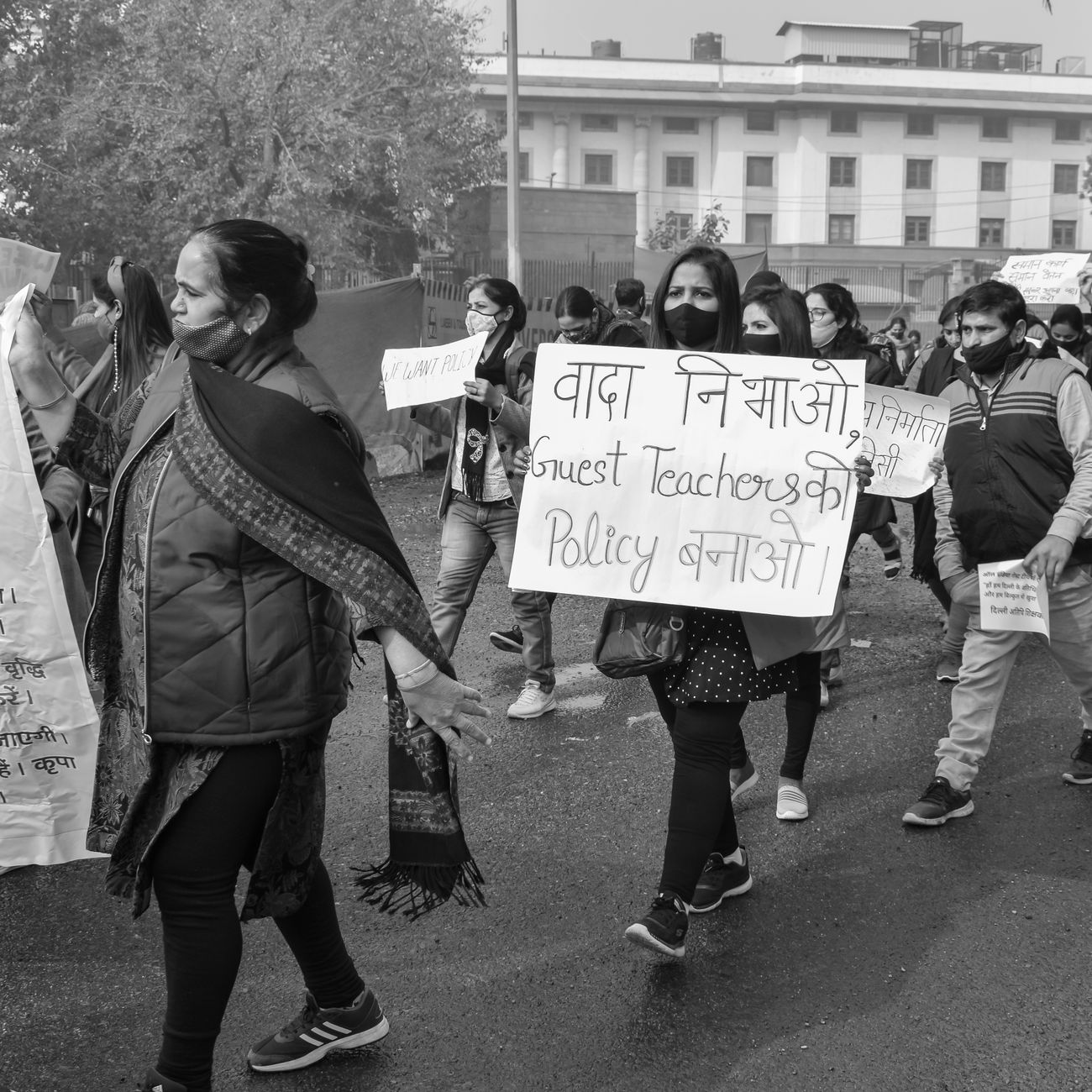
This generation is also more politically aware and willing to voice dissent. Social media provides platforms to organize, share grievances, and mobilize. When traditional channels for advancement appear blocked, street protests, online campaigns, and electoral choices become expressions of discontent.
Path Forward
Addressing youth anger requires comprehensive reforms. India needs education that emphasizes skills over degrees, vocational training that matches industry needs, and entrepreneurship support to create job creators rather than just job seekers. Examination systems require transparency, technological safeguards, and credibility restoration.
Economic policies must prioritize employment-intensive growth sectors. Manufacturing, services, and technology sectors need incentives to expand hiring. Simultaneously, reforming labor laws, improving ease of doing business, and supporting startups could unlock private sector job creation.
The challenge is enormous but ignoring it carries significant risks. A frustrated, unemployed youth population represents not just wasted potential but also social instability. Converting demographic dividend into demographic disaster is a possibility India cannot afford.
The opinions expressed in this article are for general informational purposes only and should not be considered as specific career, educational, or policy advice. Readers should conduct their own research and consult appropriate professionals when making decisions about education or employment.