India is blessed with tropical sunshine for most of the year, with many regions receiving over 300 days of bright sunlight annually. Yet, studies consistently show that between 70-90% of the Indian population suffers from vitamin D deficiency. This surprising paradox has become a significant public health concern, affecting people across all age groups and socioeconomic backgrounds.
The Sunshine Paradox
Vitamin D, often called the "sunshine vitamin," is naturally produced when skin is exposed to ultraviolet B (UVB) rays from the sun. With India's geographical location near the equator, one would expect the population to have optimal vitamin D levels. However, the reality tells a different story.
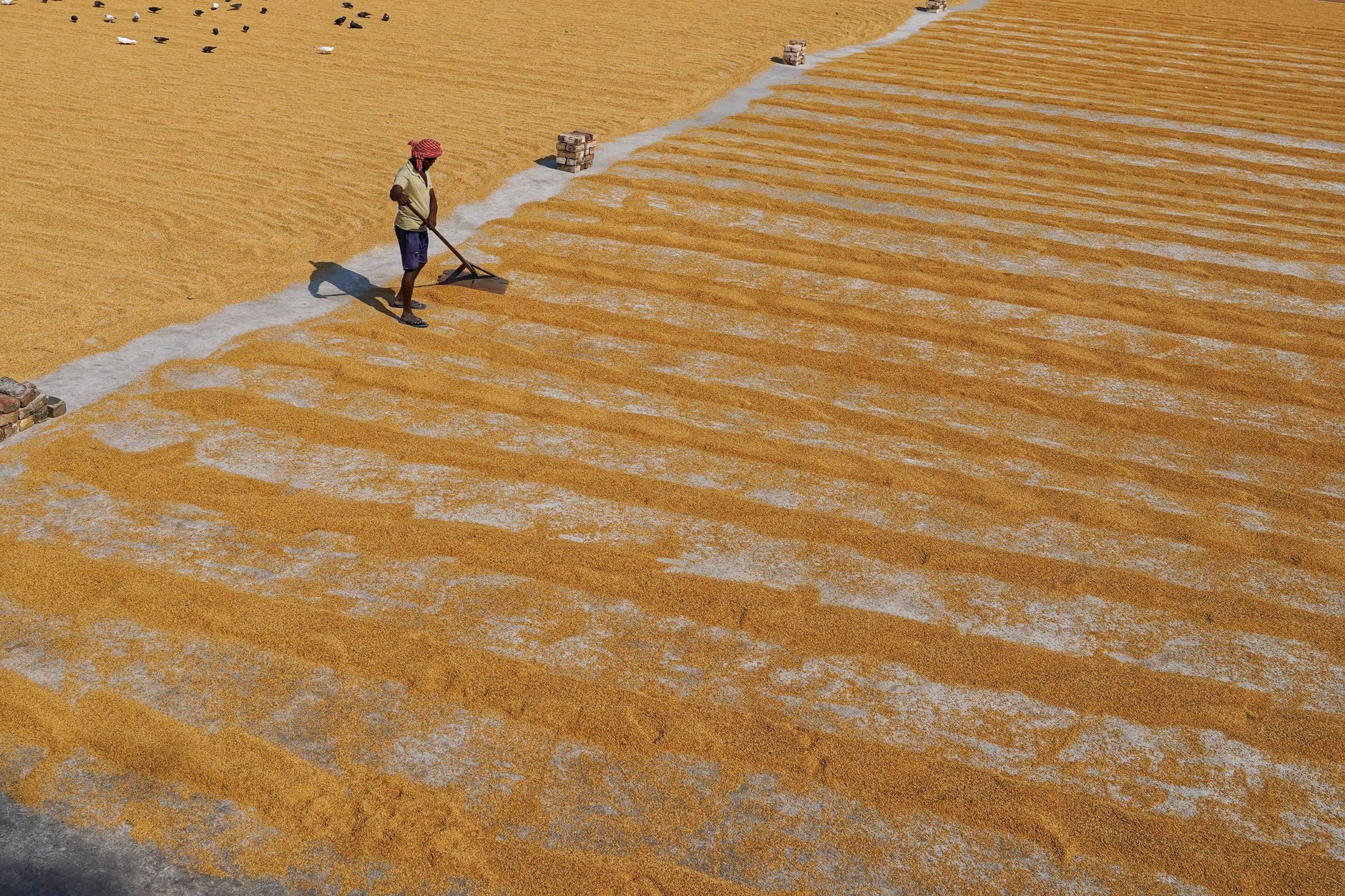
The primary issue is not the availability of sunlight, but rather how much direct sun exposure people actually receive. Modern lifestyles have dramatically reduced outdoor activities, with most people spending their days indoors in offices, homes, or air-conditioned environments. The shift from agricultural and outdoor occupations to desk jobs has significantly cut down sun exposure time.
Cultural and Social Factors
Several cultural practices contribute to this deficiency. Fair skin remains highly valued in Indian society, leading many people, particularly women, to actively avoid sun exposure. The widespread use of umbrellas, full-sleeved clothing, and sunscreen with high SPF ratings blocks the UVB rays necessary for vitamin D synthesis.
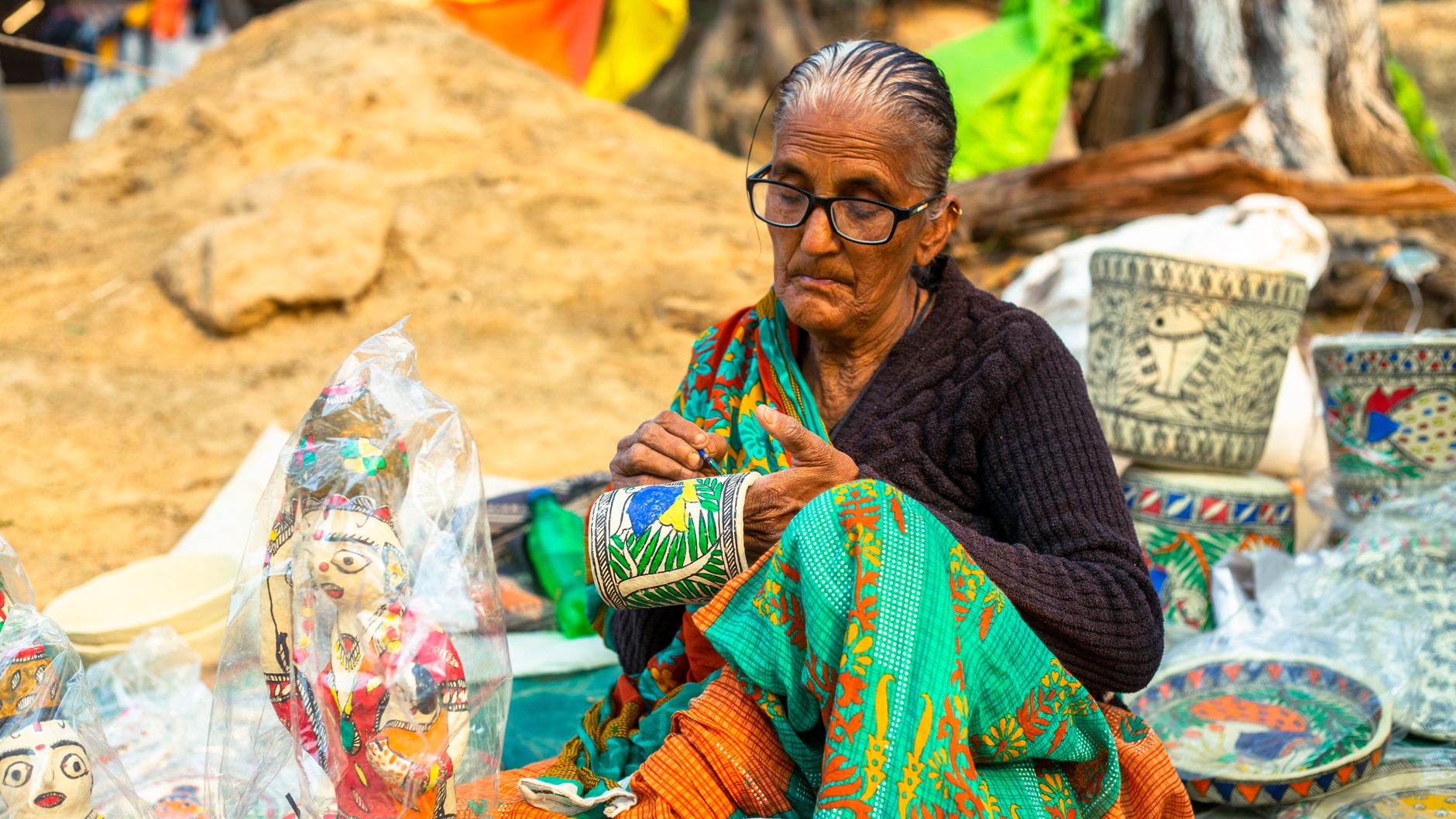
Religious and cultural dress codes also play a role. Traditional clothing that covers most of the body, while culturally significant, limits the skin surface area available for vitamin D production. Women, in particular, face higher deficiency rates due to these combined factors of cultural practices and reduced outdoor activity.
Urban Pollution and Modern Barriers
Air pollution in Indian cities has reached alarming levels, creating an invisible barrier between sunlight and skin. Particulate matter and smog scatter and absorb UVB rays before they reach the ground. Studies have shown that pollution can reduce vitamin D synthesis by up to 50% in heavily polluted urban areas.
Tall buildings in densely populated cities create shadows and reduce ground-level sunlight exposure. Even when people venture outdoors during lunch breaks, they may not receive adequate UVB radiation due to these urban obstacles.
Dietary Deficiencies
Unlike Western diets, traditional Indian vegetarian diets contain minimal natural sources of vitamin D. Foods rich in this vitamin include fatty fish, egg yolks, and fortified dairy products. However, a large portion of India's population follows vegetarian or vegan diets for religious or cultural reasons.
While some foods like milk are now fortified with vitamin D, the fortification levels are often insufficient to meet daily requirements. Additionally, the bioavailability of vitamin D from plant sources is significantly lower than from animal sources.
Health Implications
Vitamin D deficiency is not merely a minor health inconvenience. It has far-reaching consequences for overall health and wellbeing. Common effects include:
- Weakened bones and increased risk of osteoporosis and fractures
- Reduced immune function leading to frequent infections
- Increased susceptibility to chronic diseases like diabetes and heart disease
- Depression and mood disorders
- Muscle weakness and chronic pain
- Complications during pregnancy and childhood development issues
The deficiency is particularly concerning in children, where it can cause rickets, and in pregnant women, where it affects both maternal and fetal health.
Breaking the Cycle
Addressing this health crisis requires a multi-faceted approach. Health experts recommend sensible sun exposure of about 15-20 minutes daily, preferably between 10 AM and 3 PM, when UVB rays are most effective. This should involve exposing arms and legs without sunscreen to maximize vitamin D production.
Dietary supplementation is crucial, especially for those who cannot get adequate sun exposure. Vitamin D supplements are affordable and widely available, though medical guidance is recommended for appropriate dosing.
Food fortification programs need expansion and strengthening. Fortifying commonly consumed items like wheat flour, rice, and cooking oil could significantly improve population-wide vitamin D levels.
Public awareness campaigns are essential to shift perceptions about moderate sun exposure and educate people about the importance of vitamin D for health. Workplace policies that encourage outdoor breaks and school programs promoting outdoor activities can also help.
Regular screening, particularly for high-risk groups including pregnant women, children, elderly individuals, and those with chronic diseases, can help identify and address deficiencies early.
This article is for general informational purposes only and should not replace professional medical advice. Consult with a qualified healthcare provider before starting any vitamin supplementation or making significant changes to your health routine.