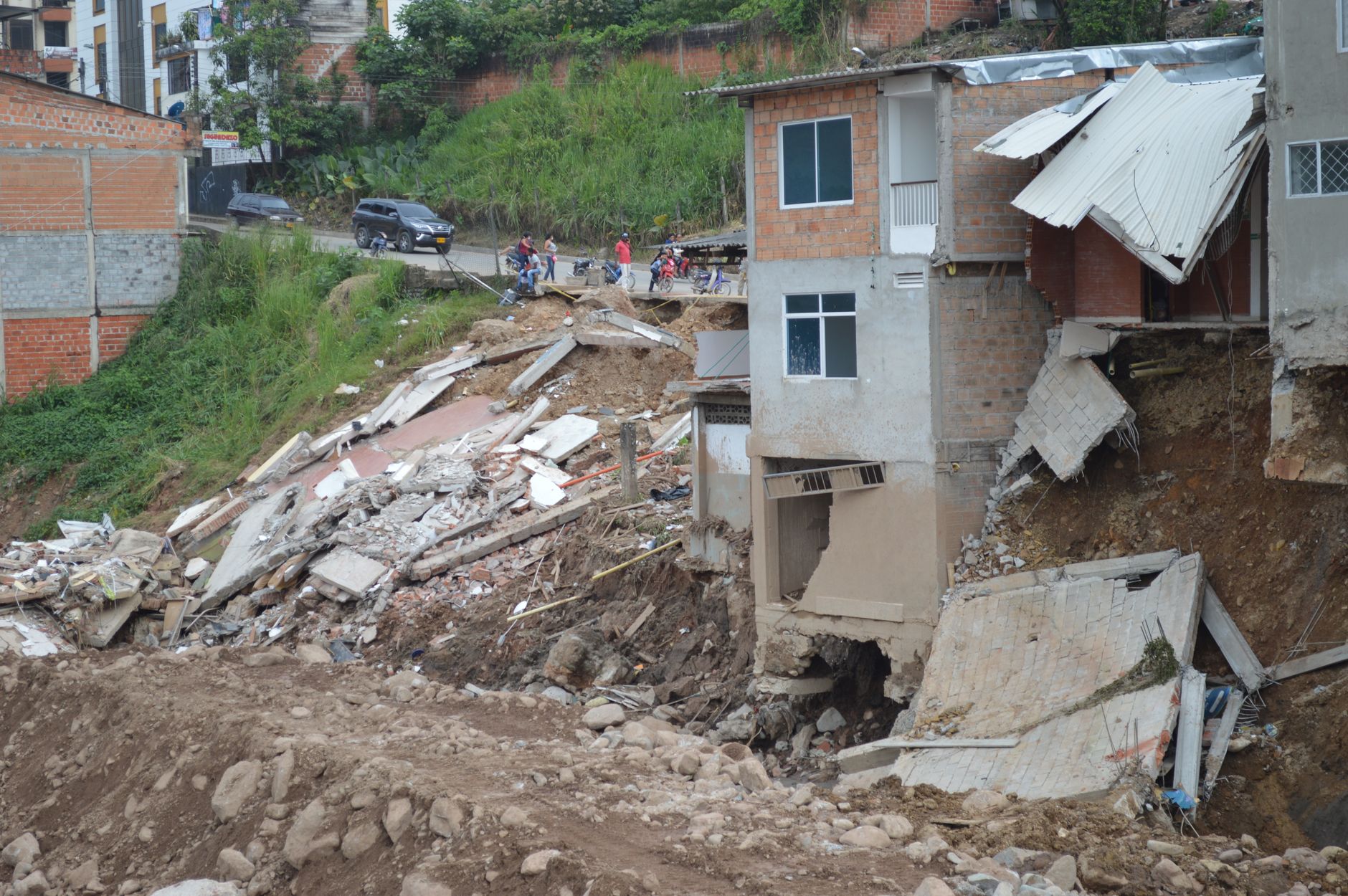
Natural disasters create immediate devastation, but the health challenges that follow can persist for weeks or even months after the initial event. Venezuela's ongoing earthquake recovery illustrates how environmental hazards compound the already difficult task of rebuilding communities and caring for affected populations.
The Hidden Health Threats After Earthquakes
When earthquakes strike, the immediate focus understandably centers on rescue operations and treating traumatic injuries. However, the aftermath introduces a complex web of health risks that can affect far more people than the initial disaster itself.
Collapsed buildings generate enormous quantities of fine particulate matter that remains airborne for extended periods. This dust contains not just pulverized concrete and soil, but potentially hazardous materials including asbestos, silica, heavy metals, and other construction materials never meant for human inhalation. Prolonged exposure can trigger respiratory problems ranging from acute irritation to chronic conditions.
Damaged water infrastructure presents equally serious concerns. Broken pipes mix clean water supplies with sewage systems, creating pathways for waterborne diseases to spread rapidly through vulnerable populations. Without access to safe drinking water, communities face outbreaks of cholera, typhoid, hepatitis A, and various gastrointestinal illnesses.
Respiratory Hazards in Disaster Zones
The air quality in earthquake-affected areas deteriorates rapidly as rescue and cleanup operations disturb settled debris. Workers and residents alike breathe in microscopic particles that penetrate deep into lung tissue.
Short-term effects include coughing, wheezing, eye irritation, and aggravation of existing conditions like asthma or chronic obstructive pulmonary disease. People with pre-existing respiratory conditions face particular danger, as their already compromised systems struggle with the additional burden.
Long-term exposure to construction dust and particulate matter increases risks of developing chronic respiratory diseases, lung scarring, and in cases involving asbestos or silica exposure, potentially fatal conditions that may not manifest for years or decades.
Waterborne Disease Risks
Access to clean water becomes one of the most critical challenges following major earthquakes. The breakdown of sanitation systems creates conditions ripe for disease transmission.
- Cholera spreads rapidly when drinking water becomes contaminated with fecal matter
- Typhoid fever emerges from consumption of contaminated food or water
- Hepatitis A transmits through similar pathways, causing liver inflammation
- Diarrheal diseases, while often less severe, can prove fatal to children and elderly populations already weakened by disaster stress
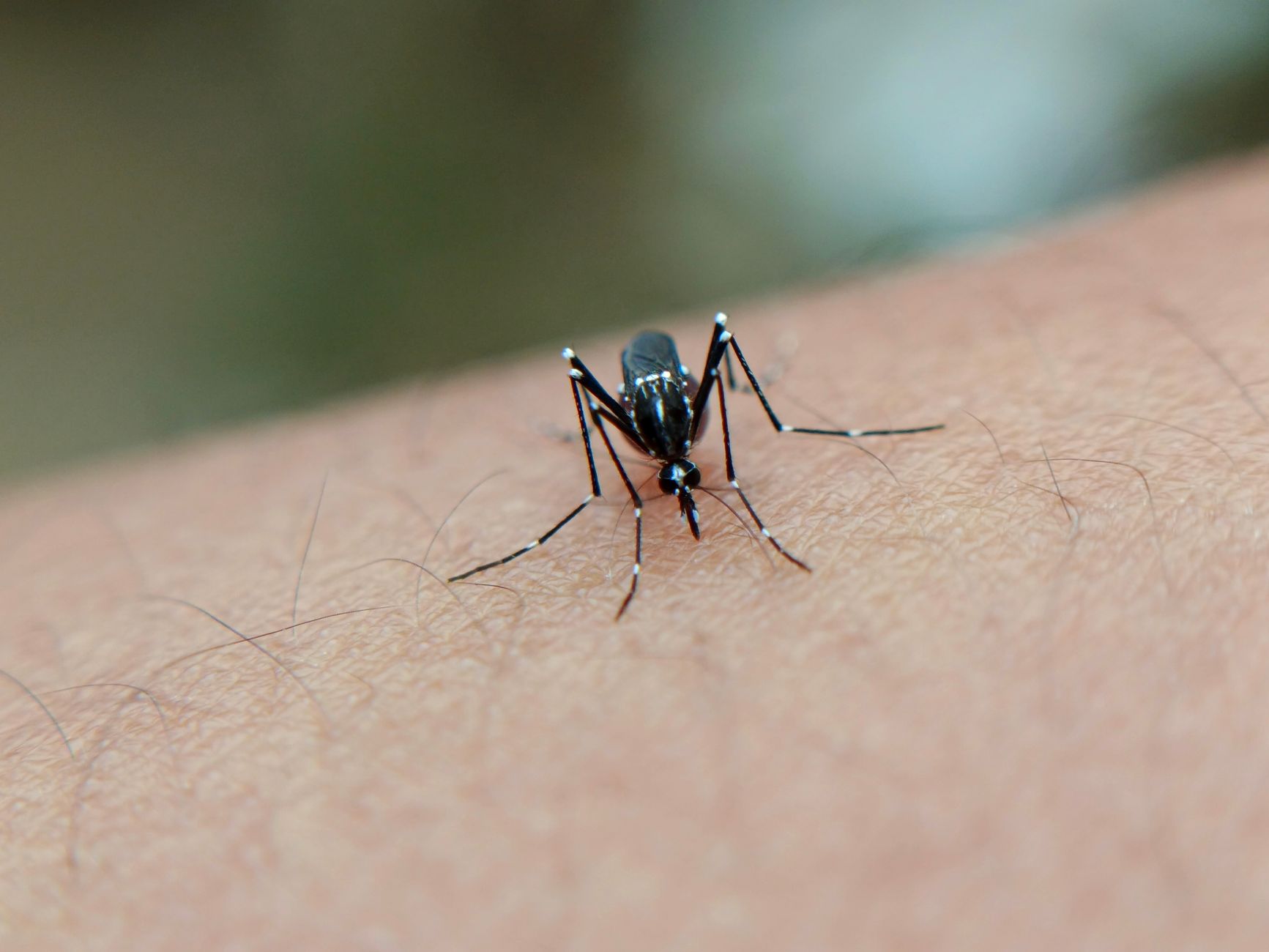
Stagnant water pooling in debris also creates breeding grounds for mosquitoes, potentially introducing vector-borne diseases like dengue or malaria depending on regional disease profiles.
Injury Risks From Debris and Cleanup
The physical act of moving through and clearing debris introduces numerous injury pathways. Sharp metal fragments, broken glass, unstable structures, and heavy materials all pose immediate dangers to recovery workers and returning residents.
Puncture wounds and lacerations carry infection risks, particularly tetanus in environments where vaccination coverage may be incomplete. Bacterial infections can develop rapidly in the contaminated environments typical of disaster zones.
Physical strain from moving heavy debris without proper equipment leads to musculoskeletal injuries, while extended work in difficult conditions contributes to exhaustion and heat-related illnesses.
Mental Health Considerations
Beyond physical health threats, the psychological toll of experiencing and recovering from major disasters significantly impacts affected populations. Trauma, displacement, loss of loved ones, and the overwhelming task of rebuilding lives contribute to anxiety, depression, and post-traumatic stress disorder.
The stress of navigating health risks while lacking basic resources compounds these mental health challenges, creating a cyclical pattern where psychological distress impairs physical health recovery and vice versa.
Global Lessons for Disaster Preparedness
Venezuela's experience reinforces the importance of comprehensive disaster response planning that extends beyond immediate rescue operations. Effective recovery requires:
- Rapid establishment of safe water distribution systems
- Respiratory protection for all cleanup workers and affected residents
- Environmental monitoring to identify and mitigate specific hazards
- Public health surveillance to detect and respond to disease outbreaks quickly
- Mental health support services integrated into recovery programs
- Clear communication about health risks and protective measures
Communities worldwide can learn from each disaster event, strengthening their own preparedness plans and response capabilities. Understanding the health dimensions of disaster recovery helps ensure that survival of the initial event truly leads to long-term recovery rather than extended suffering from preventable secondary health crises.
This article provides general information about health risks associated with earthquake recovery and should not substitute for professional medical advice or official public health guidance in specific situations.