India has taken a major step forward in its fight against dengue fever with the regulatory approval of QDENGA, a vaccine that promises to reduce the burden of this mosquito-borne disease that has plagued the subcontinent for decades. The approval by the Central Drugs Standard Control Organisation opens new possibilities for disease prevention in a country that records hundreds of thousands of dengue cases every year.
Understanding Dengue's Impact in India
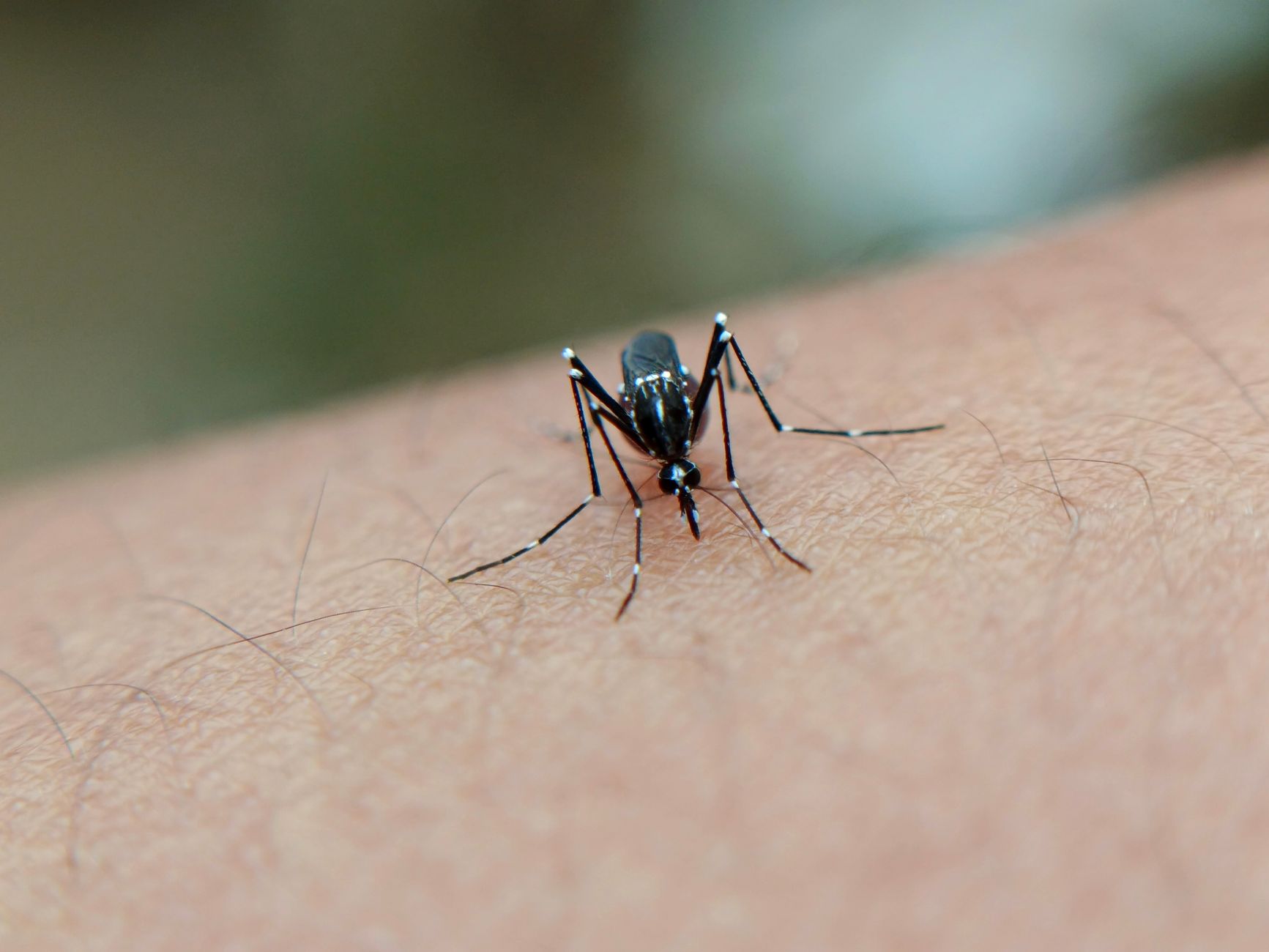
Dengue fever remains one of India's most pressing public health challenges. The disease, transmitted primarily by the Aedes aegypti mosquito, causes high fever, severe headache, pain behind the eyes, joint and muscle pain, and in severe cases can lead to dengue hemorrhagic fever or dengue shock syndrome, both potentially fatal conditions.
India's tropical climate and dense urban populations create ideal conditions for mosquito breeding, particularly during and after monsoon seasons. Annual dengue outbreaks strain healthcare systems, with case numbers fluctuating dramatically based on rainfall patterns, urbanization, and public health interventions. The economic burden includes not just treatment costs but also lost productivity and prevention efforts.
What Makes QDENGA Different
QDENGA, developed by Takeda Pharmaceuticals, is a live-attenuated tetravalent dengue vaccine designed to protect against all four serotypes of the dengue virus. This comprehensive coverage is crucial because infection with one serotype does not provide immunity against others, and subsequent infections with different serotypes actually increase the risk of severe dengue.
The vaccine is administered in two doses, given three months apart, and has been approved for use in individuals aged four to sixty years. Clinical trials have demonstrated its efficacy in reducing symptomatic dengue cases and hospitalizations across diverse populations.
Unlike some earlier dengue vaccines that faced limitations, QDENGA can be administered to both individuals with and without prior dengue exposure, making vaccination programs logistically simpler to implement.
Public Health Implications
The approval of QDENGA represents more than just another vaccine entering the market. It signals a shift from purely reactive dengue control measures to proactive prevention strategies. Traditionally, India's dengue response has focused on vector control through mosquito eradication programs, public awareness campaigns about eliminating standing water, and treating patients once infected.
Vaccination adds a crucial preventive layer, particularly valuable in high-transmission areas where vector control alone has proven insufficient. Urban areas with dense populations, inadequate water storage practices, and construction sites that create mosquito breeding grounds stand to benefit significantly.
Implementation Challenges Ahead
Despite this breakthrough, several challenges lie ahead for effective vaccine deployment:
- Determining priority populations for initial vaccination drives given limited initial supply
- Establishing cold chain infrastructure to maintain vaccine efficacy during transport and storage
- Educating healthcare providers and the public about the vaccine's benefits and schedule
- Integrating dengue vaccination into existing immunization programs
- Managing costs to ensure accessibility across economic strata
- Monitoring long-term efficacy and safety through post-market surveillance
The vaccine's pricing and whether it will be included in government immunization programs remain critical questions. Private sector availability may initially limit access to urban populations who can afford out-of-pocket expenses.
Complementary Strategies Remain Essential
Health experts emphasize that vaccination should complement rather than replace existing dengue control measures. Vector control, community participation in eliminating mosquito breeding sites, early diagnosis, and appropriate clinical management all remain vital components of comprehensive dengue prevention.
Climate change projections suggest that dengue-suitable habitats may expand in India, making prevention efforts increasingly important. Rising temperatures and changing rainfall patterns could extend transmission seasons and geographic range, potentially exposing new populations to risk.
Looking Forward
QDENGA's approval marks a milestone in India's public health journey, providing a new tool against a disease that has long challenged healthcare systems. The coming months will reveal how effectively this vaccine can be integrated into India's healthcare infrastructure and what impact it will have on dengue incidence rates.
Success will depend on coordinated efforts between government agencies, healthcare providers, pharmaceutical companies, and communities to ensure that this scientific advancement translates into real-world health benefits for India's population.
This article is intended for general informational purposes only and should not be considered medical advice. Consult qualified healthcare professionals for personalized guidance regarding vaccination decisions and dengue prevention strategies.