India boasts one of the largest higher education systems in the world, with over 1,000 universities and 42,000 colleges enrolling approximately 40 million students. Yet despite these impressive numbers, the sector grapples with fundamental issues that prevent it from realizing its full potential. As the country positions itself as a global knowledge economy, the urgency for meaningful reform in higher education has never been more apparent.
The Current State of Affairs
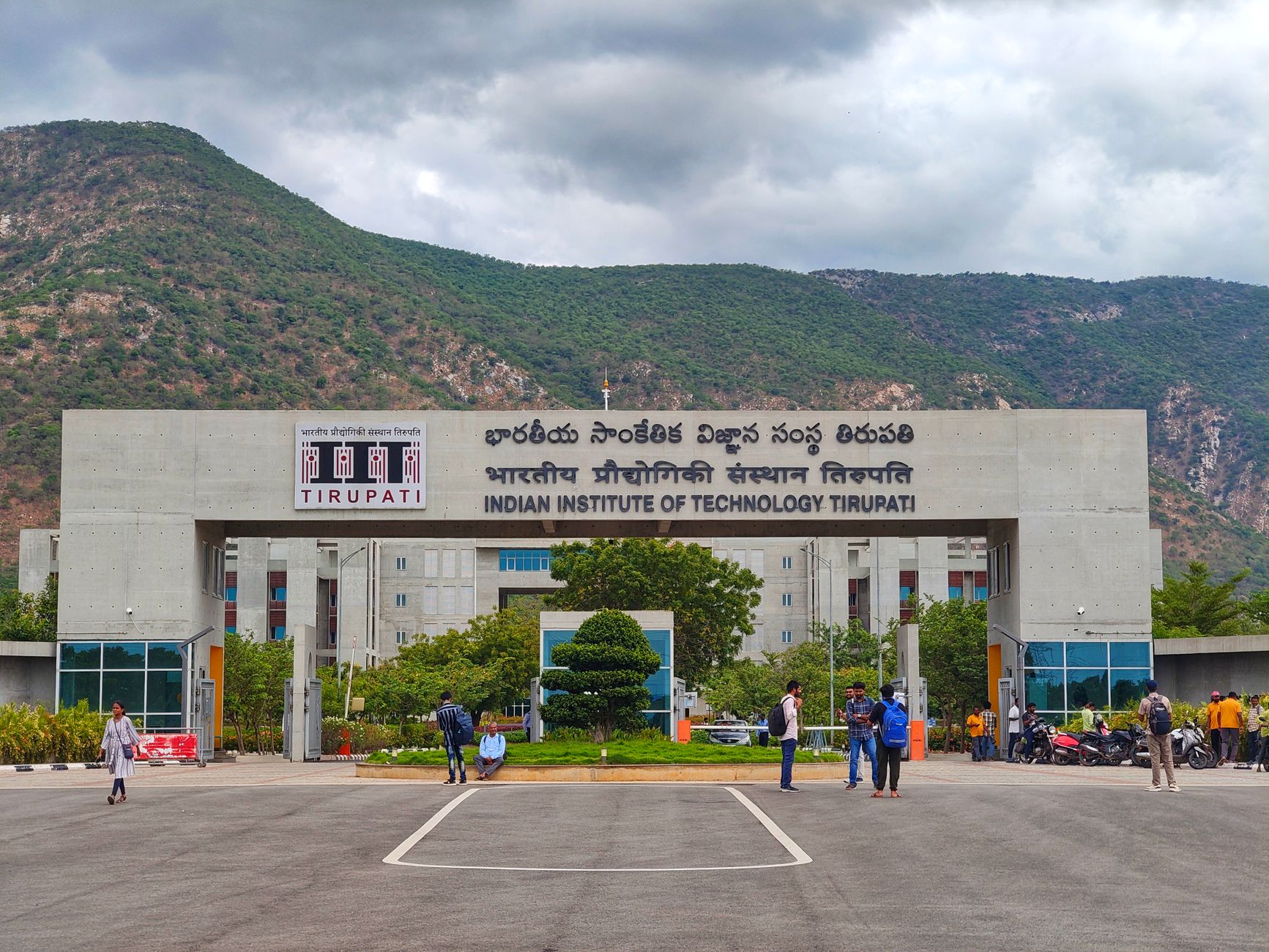
The Indian higher education landscape is marked by stark contrasts. While prestigious institutions like the IITs and IIMs consistently rank among the world's best, a vast majority of colleges and universities struggle with infrastructure deficits, faculty shortages, and outdated teaching methodologies. This disparity creates a two-tier system where only a small fraction of graduates receive world-class education while the majority are left inadequately prepared for the modern workforce.
The gross enrollment ratio in higher education has improved over the years, reaching approximately 28 percent, yet this still lags behind the global average and developed nations. More concerning than access, however, is the quality of education being delivered and its relevance to contemporary needs.
Why Reform Cannot Wait
Several compelling factors make higher education reform an immediate priority rather than a distant goal.
Employability Crisis
Perhaps the most glaring indicator of systemic problems is the employability gap. Studies consistently show that over 50 percent of Indian graduates are considered unemployable by industry standards. This disconnect between academic training and market requirements creates a paradox where companies report talent shortages even as millions of degree holders struggle to find jobs. The mismatch stems from curricula that emphasize rote learning over critical thinking, theoretical knowledge over practical skills, and outdated content over emerging technologies.
Demographic Dividend at Stake
India's greatest asset is its young population, with a median age of approximately 28 years. This demographic advantage, however, comes with an expiration date. If the education system fails to adequately skill this workforce, the demographic dividend could transform into a demographic disaster, with millions of unemployable youth becoming a socioeconomic burden rather than an economic engine.
Global Competition
Countries worldwide are investing heavily in education to attract international students and position themselves as knowledge hubs. India, despite its ancient tradition of learning centers like Nalanda and Takshashila, currently attracts minimal international students compared to destinations like the United States, United Kingdom, or Australia. Without reform, India risks falling further behind in the global education marketplace.
Key Areas Requiring Immediate Attention
- Curriculum modernization to incorporate emerging technologies, interdisciplinary approaches, and practical skill development
- Faculty development programs to improve teaching quality and research output
- Infrastructure investments in laboratories, libraries, digital resources, and physical facilities
- Regulatory simplification to reduce bureaucratic hurdles and encourage innovation
- Industry-academia collaboration to ensure education remains relevant to market needs
- Research and development focus to transform universities into innovation centers
- Accreditation and quality assurance mechanisms that are rigorous and transparent
- Increased autonomy for institutions to design courses and governance structures
- Financial sustainability through diversified funding sources beyond government grants
The Way Forward
The National Education Policy 2020 represents a comprehensive attempt to address many of these concerns through multidisciplinary education, flexible curriculum structures, and emphasis on critical thinking. However, policy alone cannot drive transformation. Implementation requires sustained commitment, adequate funding, institutional willingness to change, and accountability mechanisms to track progress.
Technological integration offers tremendous opportunities to democratize quality education through online learning platforms, digital libraries, and virtual laboratories. The COVID-19 pandemic demonstrated both the potential and challenges of digital education, highlighting the need for robust digital infrastructure and faculty training.
Private sector participation, when properly regulated, can supplement government efforts by bringing in investment, innovation, and industry perspectives. Public-private partnerships could address infrastructure gaps and create specialized programs aligned with emerging sectors.
Perhaps most importantly, reform must prioritize creating an ecosystem that encourages curiosity, creativity, and critical thinking over memorization. This cultural shift requires changes not just in examination patterns but in fundamental teaching philosophies.
Conclusion
Reforming India's higher education system is not merely an academic exercise but an economic and social imperative. The quality of education today will determine India's competitiveness tomorrow. While challenges are substantial, the cost of inaction far exceeds the investment required for transformation. With coordinated efforts from government, institutions, industry, and civil society, India can reclaim its position as a global leader in education and knowledge creation.