India's government school system educates approximately 70% of the country's school-going children, yet it remains plagued by systemic issues that threaten the quality of education provided to millions. Recent campaigns highlighting these problems have reignited national conversations about the urgent need for comprehensive reforms in public education infrastructure.
The Current State of Government Schools
The challenges facing India's government-run schools are multifaceted and deeply entrenched. Many institutions operate with inadequate physical infrastructure, including dilapidated buildings, insufficient classroom space, and lack of basic amenities like functional toilets and clean drinking water. These conditions create learning environments that are far from conducive to quality education.
Teacher shortages represent another critical problem. Many government schools operate with fewer teachers than required, forcing single educators to manage multiple grades simultaneously. This situation is particularly acute in rural areas, where attracting and retaining qualified teachers proves exceptionally difficult due to remote locations and limited facilities.
Infrastructure Deficits and Their Impact
The infrastructure gap in government schools extends beyond physical structures. Many institutions lack essential educational resources such as libraries, laboratories, sports equipment, and digital learning tools. In an increasingly technology-driven world, the absence of computer facilities and internet connectivity puts government school students at a significant disadvantage compared to their private school counterparts.
Sanitation facilities remain a persistent concern, particularly affecting female students. Schools without proper toilets or with non-functional sanitation systems contribute to dropout rates, especially among adolescent girls who may feel unsafe or uncomfortable attending school during menstruation.
The Equity Question
Government schools primarily serve children from economically disadvantaged backgrounds whose families cannot afford private education. This creates a two-tier system where economic status determines educational opportunity. When government schools fail to provide quality education, they perpetuate cycles of poverty and limit social mobility for entire communities.
The stark contrast between well-resourced private institutions and struggling government schools raises fundamental questions about educational equity in a democratic society. Children's life chances should not be predetermined by their family's economic circumstances, yet the quality gap between public and private education often ensures exactly that outcome.
Teacher Training and Accountability
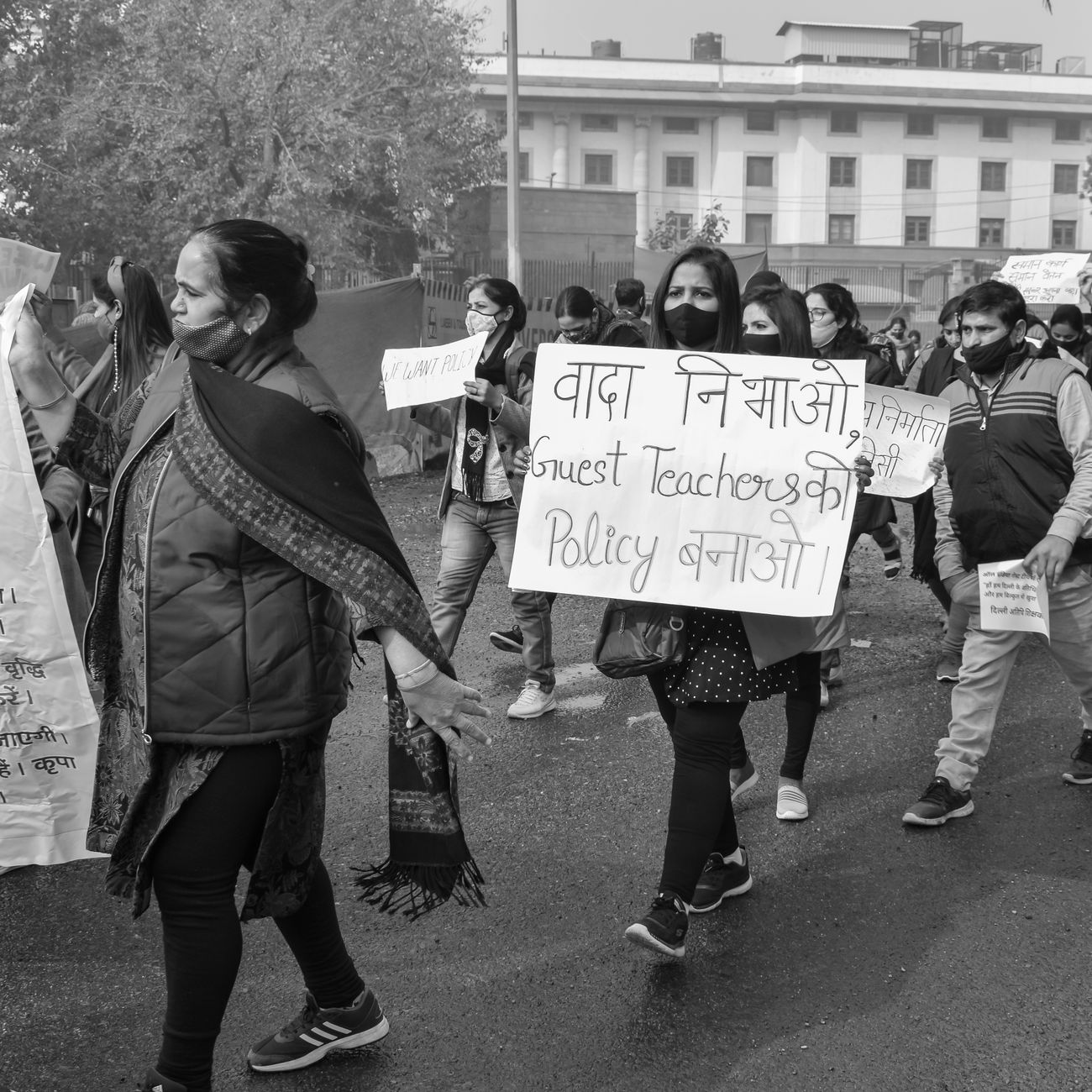
Beyond numbers, the quality of teaching in government schools requires attention. Many teachers lack access to continuous professional development opportunities that would help them adopt modern pedagogical methods and engage students effectively. Additionally, accountability mechanisms often prove weak, with limited consequences for absenteeism or poor performance.
However, it is important to recognize that teachers themselves frequently work under challenging conditions with inadequate support systems. Comprehensive reform must address both teacher accountability and the provision of resources and training that enable educators to perform their duties effectively.
Funding and Budget Allocation
Chronic underfunding lies at the heart of many problems facing government schools. While education receives budget allocations, the amounts often prove insufficient for the scale of infrastructure development, resource provision, and salary support required. Moreover, budget utilization frequently falls short, with funds remaining unspent due to bureaucratic delays and implementation challenges.
Successful education systems worldwide demonstrate that sustained, adequate investment in public education yields long-term economic and social returns. India's investment in education as a percentage of GDP has historically lagged behind many comparable economies, suggesting room for increased prioritization.
The Path Forward
Fixing India's government schools requires coordinated action across multiple dimensions. Infrastructure development must be accelerated through dedicated funding and streamlined implementation processes. Teacher recruitment should be expedited to eliminate shortages, accompanied by improved training programs and career development pathways.
Technology integration offers opportunities to bridge resource gaps, bringing quality content and teaching support to even remote locations through digital platforms. Community engagement can strengthen accountability and ensure schools respond to local needs and concerns.
Political will and sustained commitment are essential. Education reforms require long-term vision beyond electoral cycles, with consistent policy implementation and adequate resource allocation maintained across successive governments.
Conclusion
Government schools form the backbone of India's education system and the primary pathway to learning for hundreds of millions of children. Their improvement is not merely an administrative challenge but a moral imperative and economic necessity. Ensuring every child receives quality education regardless of economic background strengthens social equity, enhances human capital, and builds the foundation for inclusive national development.
The scale of the challenge is substantial, but the cost of inaction—measured in wasted potential and perpetuated inequality—is far greater. Comprehensive reform of government schools must become a national priority deserving sustained attention, adequate resources, and genuine commitment to transforming educational opportunities for India's children.