India's youth population represents both the country's greatest asset and its most pressing challenge. With over 600 million people under the age of 25, the nation boasts the world's largest youth demographic. However, this advantage is increasingly shadowed by growing concerns about unemployment, education quality, and safety on campuses—issues that are prompting students to demand systemic reforms.
The Employment Challenge Facing Graduates
The unemployment rate among educated youth in India presents a stark contradiction. While the country produces millions of graduates annually from thousands of colleges and universities, a significant portion struggles to find meaningful employment. The root of this problem lies in the mismatch between what educational institutions teach and what the job market demands.
Many degree programmes continue to follow curricula that have remained largely unchanged for decades. Theoretical knowledge often takes precedence over practical skills, leaving graduates ill-equipped for modern workplace requirements. Industries increasingly seek candidates with expertise in emerging technologies, data analysis, digital marketing, and soft skills like communication and problem-solving—areas where traditional education systems often fall short.
The situation is further complicated by the sheer number of applicants competing for limited positions. Even government job postings that require basic qualifications routinely receive applications from candidates holding advanced degrees, highlighting the desperation among educated youth.
Outdated Curriculum and Teaching Methods
Indian education, particularly at the undergraduate level, frequently relies on rote learning and memorisation rather than critical thinking and application. Students spend years acquiring information that may have little relevance to contemporary professional environments or entrepreneurial ventures.
The emphasis on examinations and marks, while creating a competitive environment, often fails to foster genuine understanding or innovation. Many students graduate without having engaged in substantial project work, internships, or industry exposure that would better prepare them for career transitions.
Key Areas Where Students Seek Reform
Students across the country have identified several priority areas for educational transformation:
- Integration of vocational and skill-based training within degree programmes
- Regular curriculum updates reflecting industry trends and technological advancements
- Increased focus on internships, apprenticeships, and on-campus recruitment
- Improvement in faculty training and adoption of modern pedagogical methods
- Enhanced infrastructure, including digital resources and research facilities
- Greater transparency in examination systems and evaluation processes
Campus Safety Concerns
Beyond academics and employment, safety on college and university campuses has emerged as a critical concern, particularly for female students. Incidents of harassment, inadequate security measures, and poor infrastructure contribute to an environment where students cannot focus solely on their education.
Many institutions lack proper lighting, security personnel, and grievance redressal mechanisms. The absence of robust anti-ragging policies and their enforcement creates additional anxiety among incoming students. There is growing demand for institutions to prioritise student welfare alongside academic excellence.
The Role of Technology and Innovation
The digital revolution offers unprecedented opportunities to bridge educational gaps. Online learning platforms, skill development courses, and certification programmes have made quality education more accessible. However, the digital divide—where students from economically weaker sections lack access to devices and internet connectivity—remains a significant barrier.
Educational institutions need to embrace technology not just as a teaching aid but as a fundamental component of learning. This includes virtual laboratories, simulation-based training, and collaborative online projects that prepare students for increasingly digital workplaces.
Government Initiatives and Their Limitations
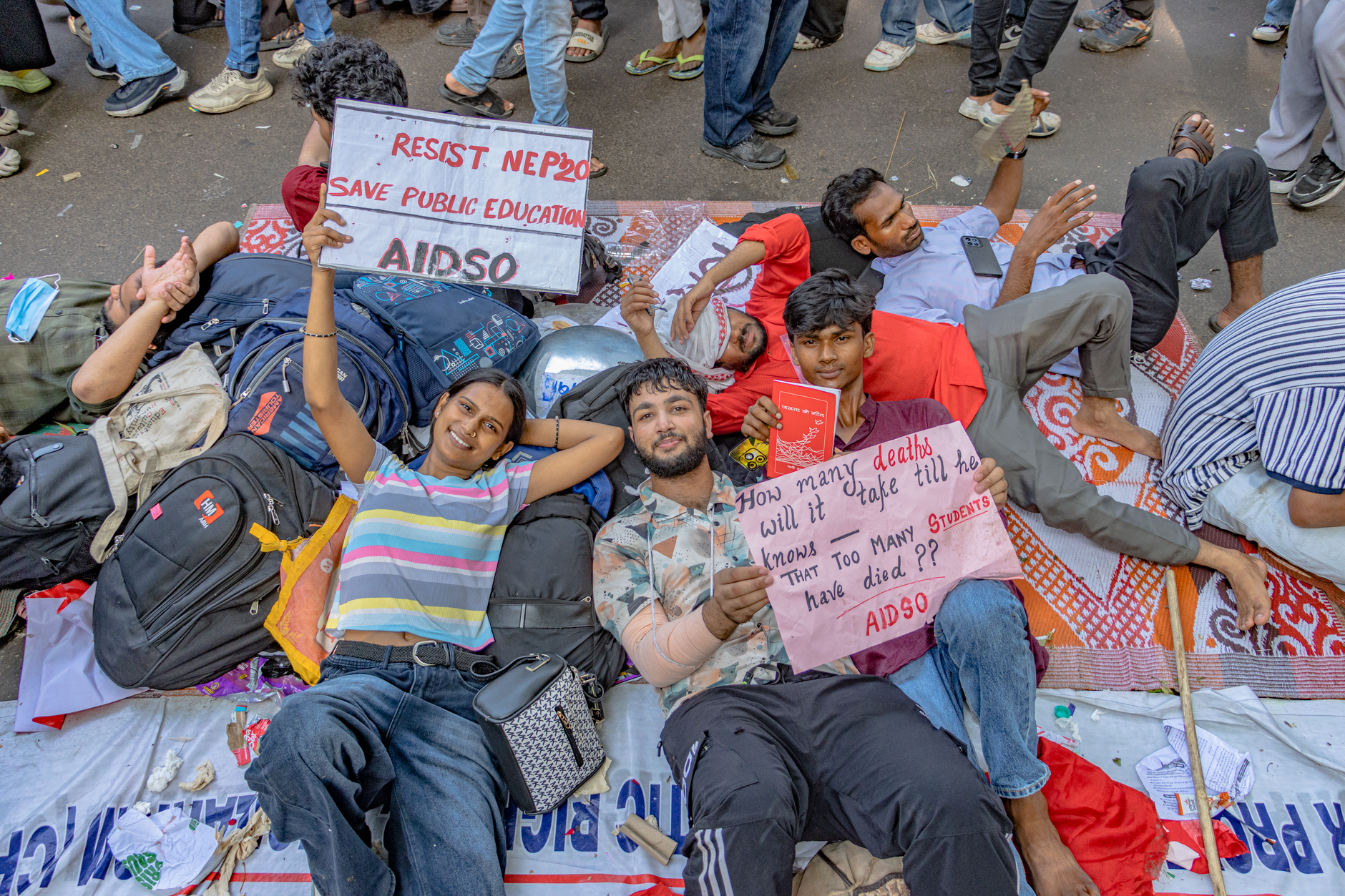
Various government schemes have been launched to address youth unemployment and education quality. The National Education Policy 2020 promises significant reforms, including multidisciplinary education, flexibility in course choices, and emphasis on skill development. However, implementation remains inconsistent across states and institutions.
Skill development programmes and startup incubation centres have been established, but their reach and effectiveness vary considerably. Many students, especially in rural and semi-urban areas, remain unaware of available opportunities or lack the resources to access them.
The Way Forward
Addressing these concerns requires coordinated efforts from educational institutions, policymakers, and industry stakeholders. Universities must establish stronger industry partnerships to ensure curriculum relevance. Regular feedback mechanisms involving students, employers, and faculty can help identify gaps and opportunities for improvement.
Investment in teacher training, research infrastructure, and student support services must increase substantially. Simultaneously, creating an entrepreneurial ecosystem that encourages innovation and risk-taking can help absorb some of the employment pressure while fostering economic growth.
The demands being voiced by students today reflect genuine anxieties about their future in an increasingly competitive and uncertain world. Their concerns deserve serious attention and systematic responses that go beyond token gestures or temporary fixes.