For decades, studying abroad has been considered a prestigious pathway for Indian students seeking quality education and global career opportunities. However, recent trends indicate a significant cooling in this once-unstoppable migration of academic talent. Multiple factors are converging to make Indian students reconsider their overseas education plans.
The Financial Burden Becomes Heavier
The economics of international education have become increasingly daunting. Tuition fees at universities in popular destinations like the United States, United Kingdom, Australia, and Canada have surged dramatically over the past few years. When combined with living expenses in these high-cost countries, families are looking at investments exceeding Rs 50 lakh to Rs 1 crore for a typical undergraduate or postgraduate programme.
Currency fluctuations have compounded this challenge. The strengthening of currencies like the US dollar and British pound against the Indian rupee means families need significantly more rupees to fund the same education compared to just a few years ago. Education loans have also become more expensive with rising interest rates, adding to the overall financial strain.
Stricter Immigration and Visa Policies
Countries that traditionally welcomed international students have tightened their immigration frameworks. Post-study work visa restrictions, particularly in the UK and Australia, have made it harder for graduates to gain work experience abroad. The uncertainty around permanent residency pathways has made the return on investment for overseas education less predictable.
The United States has also seen policy shifts affecting student visas and optional practical training programmes. These regulatory changes have introduced uncertainty that makes families hesitant to commit substantial resources without guaranteed outcomes.
The Rise of World-Class Indian Institutions
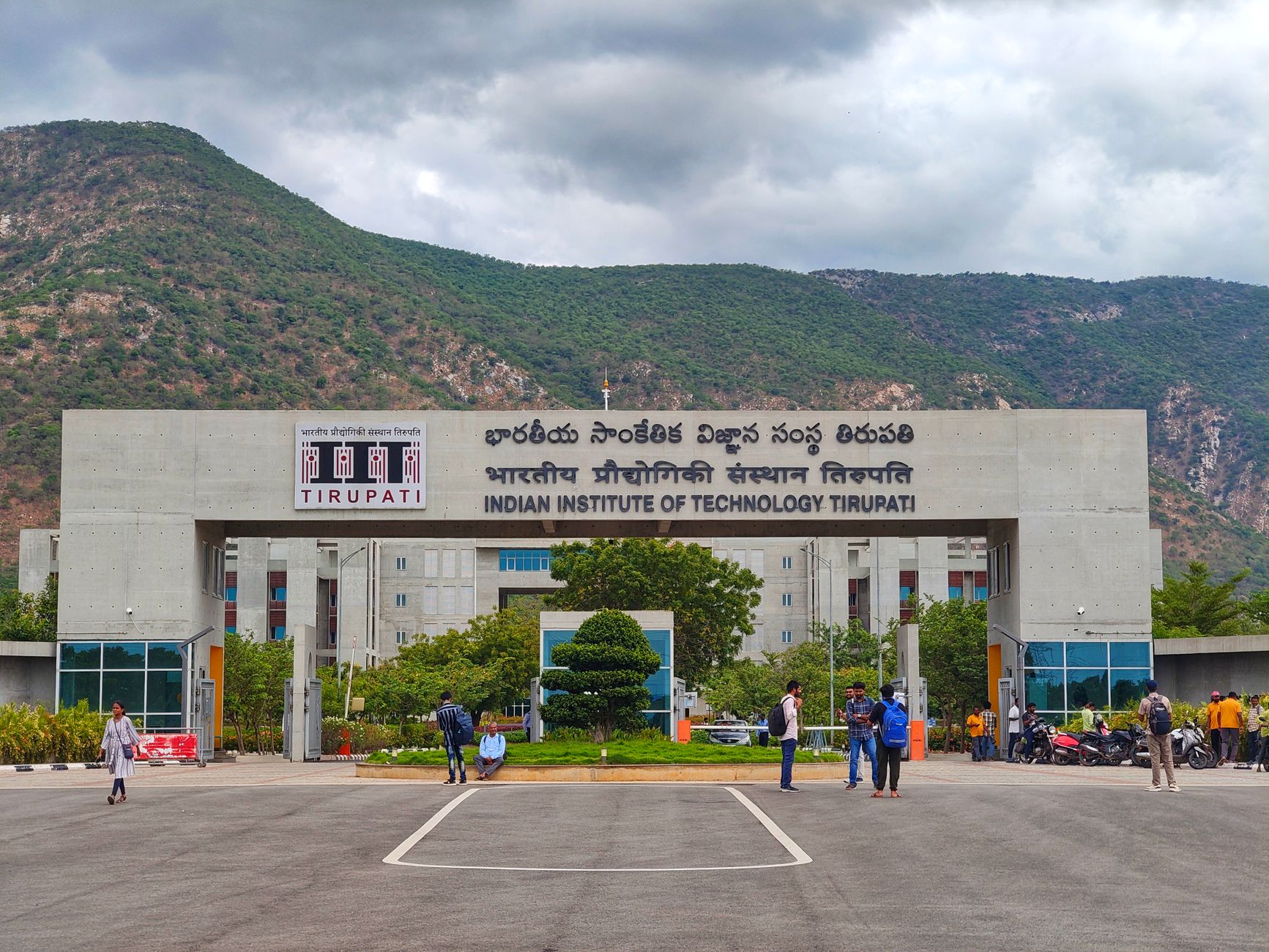
India's higher education landscape has transformed considerably. Premier institutions like the Indian Institutes of Technology, Indian Institutes of Management, and newer universities have enhanced their global rankings and recognition. Many have established international partnerships, introduced global curricula, and attracted renowned faculty from around the world.
Private universities have also stepped up their game, offering programmes designed with industry collaboration, modern infrastructure, and teaching methodologies that rival international standards. Several Indian institutions now offer dual degree programmes with foreign universities, allowing students to gain international exposure without relocating entirely.
Growing Job Opportunities in India
India's robust economic growth and thriving startup ecosystem have created abundant career opportunities domestically. Technology companies, financial services firms, and multinational corporations are actively recruiting from Indian campuses, often offering competitive packages that rival entry-level salaries abroad.
The pandemic accelerated digital transformation across industries, creating demand for skilled professionals in areas like data science, artificial intelligence, and digital marketing. Many students find they can access these opportunities without the need for foreign credentials, especially in the technology sector where skills often matter more than the university name on the degree.
Remote Learning and Global Access
The normalisation of online education has democratised access to international learning. Students can now enrol in courses, certifications, and even full degree programmes from prestigious foreign universities while remaining in India. This hybrid model offers global credentials at a fraction of the cost of physical relocation.
Platforms offering massive open online courses, professional certifications from renowned institutions, and virtual exchange programmes have made it possible to gain international educational exposure without leaving home.
Changing Perceptions and Social Factors
The social prestige previously attached exclusively to foreign degrees has diminished somewhat. Successful entrepreneurs, corporate leaders, and professionals who graduated from Indian institutions have become more visible role models. This shift in perception has made studying in India more socially acceptable and even desirable for ambitious students.
Additionally, concerns about safety, discrimination, and cultural adjustment in foreign countries have influenced decision-making for some families. Recent reports of attacks on international students and rising instances of racism in certain countries have given parents pause.
The Path Forward
While the overall numbers may be declining, overseas education will likely remain an aspiration for many Indian students. However, the decision-making process has become more nuanced and economically rational. Students are now more selective about destinations, programmes, and universities, seeking clear return on investment rather than pursuing foreign education for its own sake.
The trend suggests a maturing of India's education market, where domestic and international options are being evaluated on merit, cost-effectiveness, and career outcomes rather than prestige alone.