India's space program has captured global attention with missions like Chandrayaan and Mangalyaan, yet the country's astronomy education remains trapped in outdated curricula and limited accessibility. As the nation positions itself as a space superpower, there's a glaring disconnect between our cosmic ambitions and how we teach young Indians about the universe.
The Current State of Astronomy Education
In most Indian schools, astronomy features as a small chapter within physics or geography textbooks, often relegated to rote memorization of planet names and distances. Students rarely get hands-on experience with telescopes or practical observation sessions. The subject is treated as peripheral knowledge rather than a gateway to scientific thinking and career opportunities.
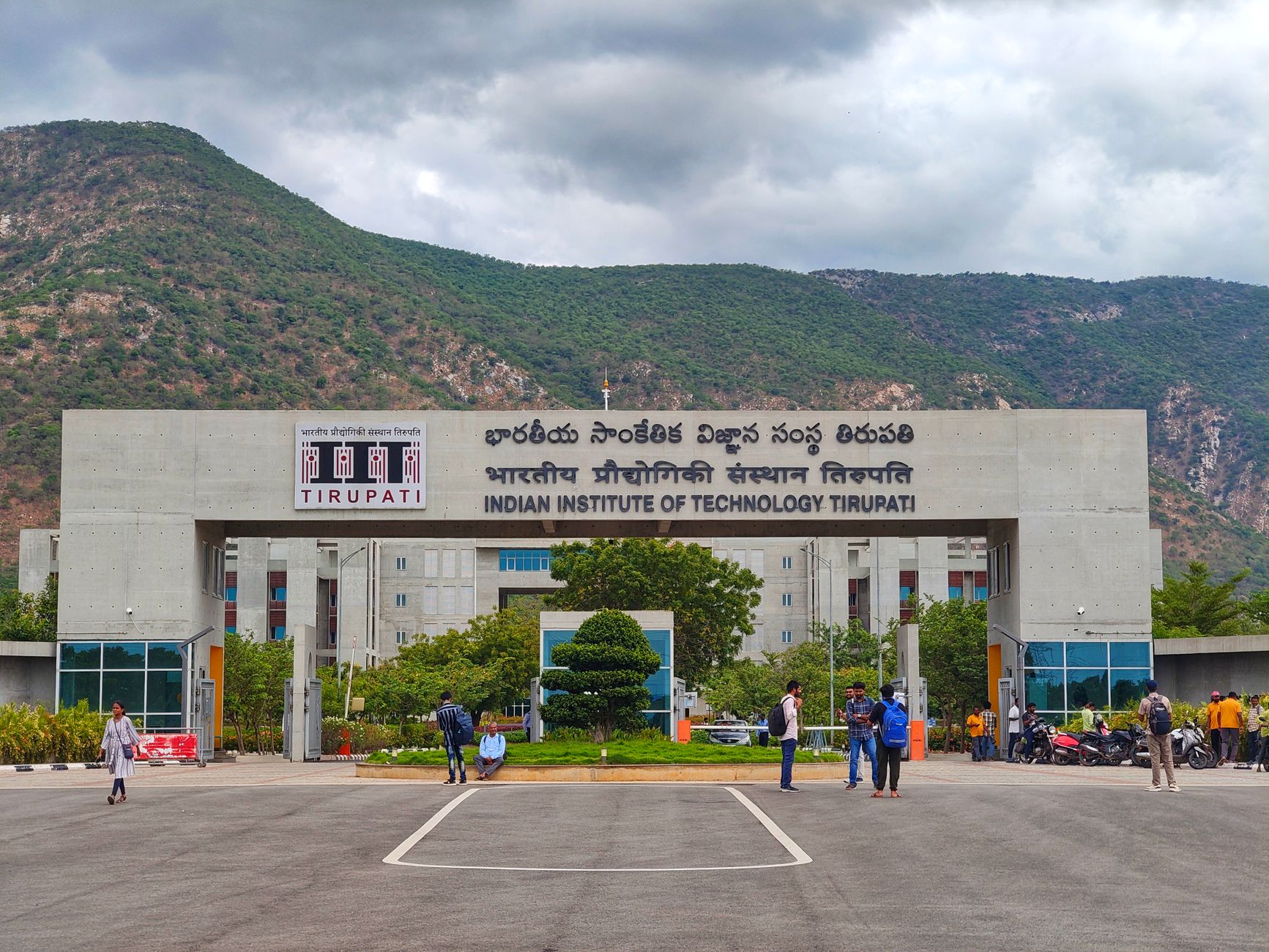
At the college level, very few institutions offer dedicated astronomy or astrophysics programs. Students interested in the field often discover limited options beyond premier institutes like the Indian Institute of Astrophysics or select IITs. This scarcity creates a bottleneck for talent development in a field where India could potentially lead.
Why the Disconnect Matters
India has a remarkable astronomical heritage stretching back millennia. Ancient Indian astronomers made significant contributions to mathematics and celestial observations. Aryabhata calculated the Earth's circumference with remarkable accuracy, while observatories like Jantar Mantar demonstrate sophisticated understanding of planetary movements.
Today, as ISRO plans increasingly ambitious missions and private space companies emerge, the demand for skilled astronomers, astrophysicists, and space scientists is growing. However, the education system hasn't evolved to meet this demand or capitalize on the natural curiosity children have about space.
Key Problems to Address
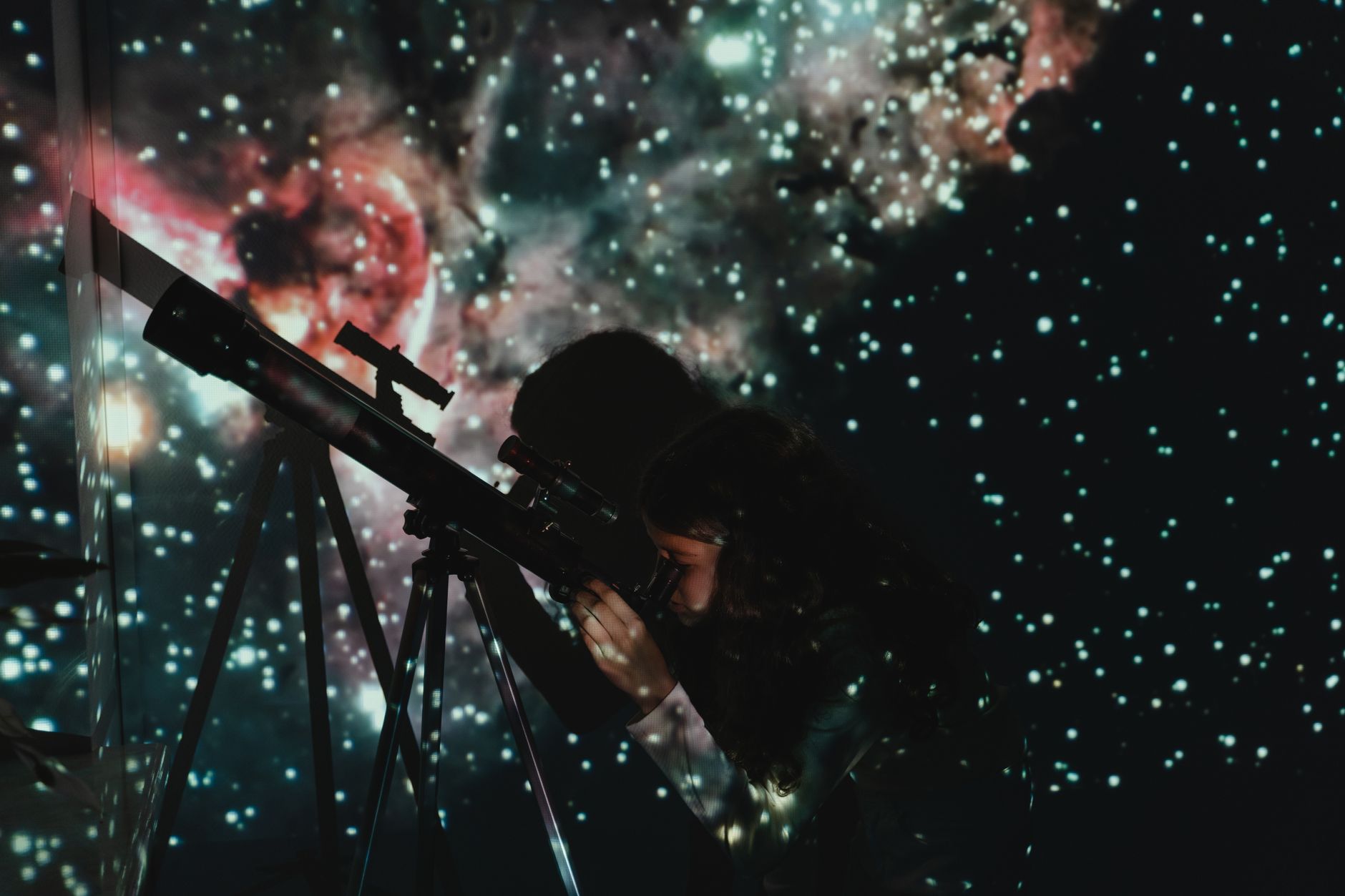
The infrastructure gap is perhaps the most visible issue. Most schools lack basic telescopes or planetarium access. Even in urban areas, light pollution makes sky observation difficult, yet schools rarely organize trips to darker areas or invest in digital planetarium software that could compensate.
Curriculum design presents another challenge. Astronomy content is often outdated, sometimes by decades. Students learn about space exploration milestones that end in the 1990s, missing out on contemporary discoveries like exoplanets, gravitational waves, or black hole imaging. The pedagogy emphasizes memorization over inquiry-based learning.
Teacher training is insufficient across the board. Most science teachers haven't received specialized training in astronomy education and may feel uncomfortable teaching beyond textbook basics. Without confidence and updated knowledge, they cannot inspire students or answer curious questions that go beyond the syllabus.
What a Makeover Should Include
A comprehensive astronomy education reform should start early, integrating age-appropriate sky observation into primary education. Simple activities like tracking moon phases, identifying constellations, or understanding seasons through Earth's orbit can build foundational interest.
- Regular stargazing sessions, even with basic equipment
- Integration of astronomy into mathematics, teaching concepts through celestial calculations
- Project-based learning where students track astronomical events
- Virtual observatory access for schools without physical telescopes
- Partnerships between schools and research institutions
Secondary and higher secondary curricula need updating to reflect current astronomical knowledge. Topics should include exoplanet discovery methods, space technology, cosmology basics, and India's own space missions. Career pathways in astronomy and space sciences should be clearly articulated.
Leveraging Technology and Resources
Digital tools offer unprecedented opportunities. Astronomy apps, virtual reality experiences, and online courses from global institutions can democratize access to quality content. ISRO and other space organizations could develop education outreach programs, providing resources and expert interactions for schools nationwide.
Community astronomy clubs and citizen science projects can extend learning beyond classroom walls. Initiatives where students contribute to real research—like classifying galaxies or monitoring variable stars—make astronomy tangible and personally meaningful.
Building for the Future
Creating a robust astronomy education ecosystem requires coordination between education boards, space research organizations, and academic institutions. Establishing more undergraduate and postgraduate programs across the country would decentralize opportunities currently concentrated in a few cities.
Investing in astronomy education isn't merely about producing professional astronomers. It develops critical thinking, mathematical reasoning, and an appreciation for scientific methodology. These skills transfer across disciplines and careers, making astronomy education valuable for all students, not just future scientists.
As India expands its presence in space exploration and research, ensuring that young Indians can participate—whether as professionals or informed citizens—becomes crucial. A makeover of astronomy education from primary school through university could transform passive consumers of space news into active contributors to India's cosmic journey.