In contemporary India, education has evolved beyond its traditional role as a means to secure employment. It has become a powerful status symbol, a family investment strategy, and a defining element of social identity. This transformation reflects broader changes in Indian society as aspirations rise alongside economic growth and increased exposure to global opportunities.
The Shift in Educational Priorities
The past two decades have witnessed a fundamental change in how Indian families view education. Previously concentrated on ensuring basic literacy and securing government jobs, educational aspirations now encompass premium institutions, international degrees, and specialized skill development. Parents across income brackets are willing to allocate unprecedented portions of household budgets toward their children's education, often making significant financial sacrifices in the process.
This shift is particularly visible in urban centres but has permeated rural areas as well. The proliferation of private schools, coaching centres, and educational technology platforms demonstrates the widespread belief that quality education is non-negotiable for upward mobility. Education spending now competes with traditional investment priorities like gold, real estate, and wedding expenses in household financial planning.
Education as Social Currency
In aspirational India, a child's educational credentials have become conversation starters at social gatherings and marriage negotiations. The institution where one studies, the competitive examinations cleared, and the degrees earned serve as markers of family achievement and forward-thinking values. This phenomenon has created immense pressure on students and parents alike, driving competition for admission to prestigious institutions.
The engineering and medical entrance examination ecosystem illustrates this dynamic perfectly. Millions of students prepare for exams like JEE and NEET annually, with families investing in multi-year coaching programmes. Success in these examinations brings not just career opportunities but social recognition that extends to the entire family network.
Economic Drivers Behind Educational Aspiration
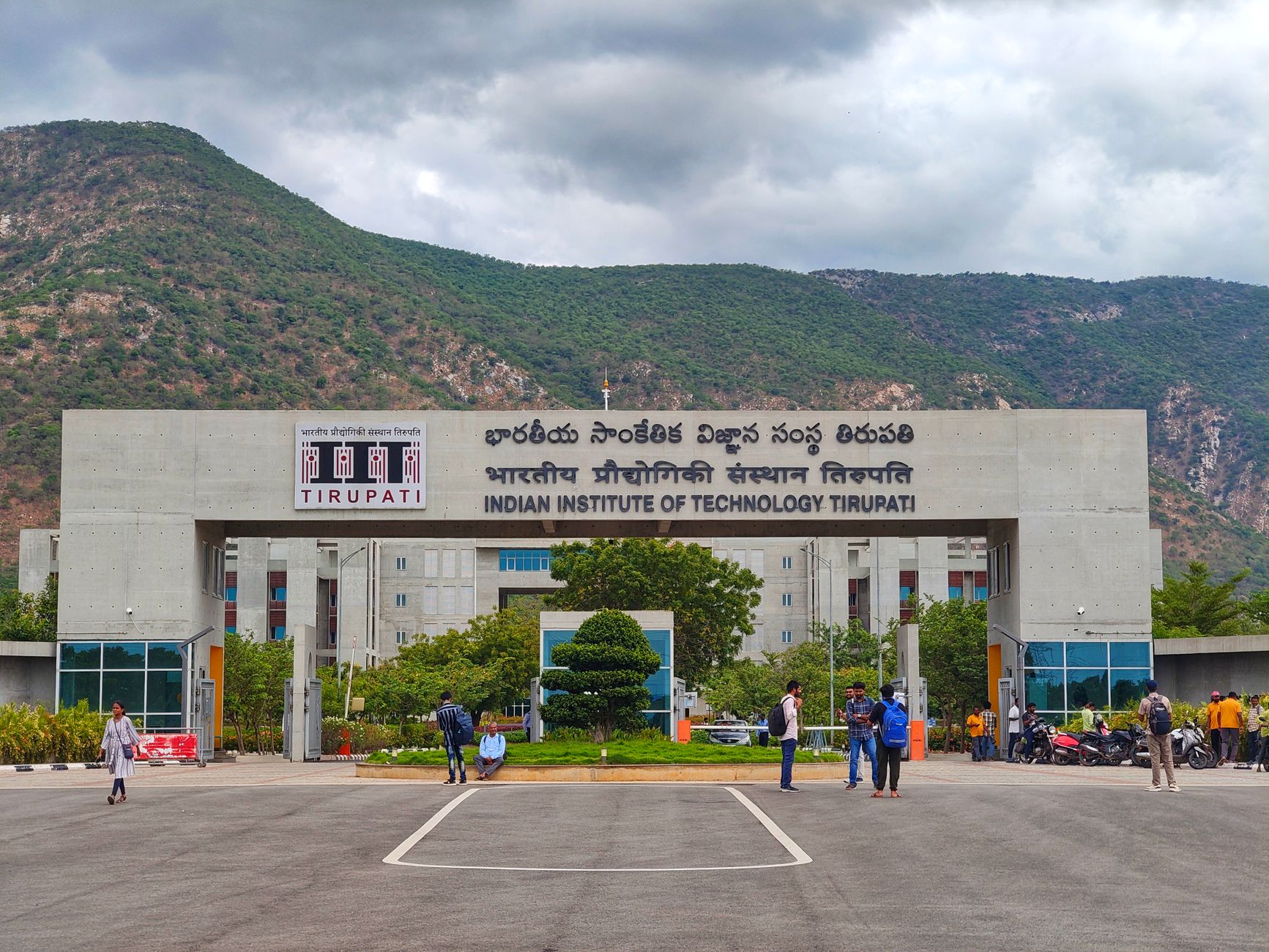
Several economic factors fuel this educational ambition. India's services sector growth has created lucrative career paths for educated professionals, particularly in technology, finance, and consulting. The visible success of graduates from premier institutions like the IITs, IIMs, and AIIMS reinforces the perception that quality education delivers substantial returns on investment.
Additionally, globalization has exposed Indian families to international standards and opportunities. The dream of sending children abroad for higher education or securing employment with multinational corporations has made English-medium education and globally recognized qualifications highly sought after. This has spawned an entire industry catering to overseas education aspirations, from test preparation services to education loan providers.
The Democratization and Digitalization of Learning
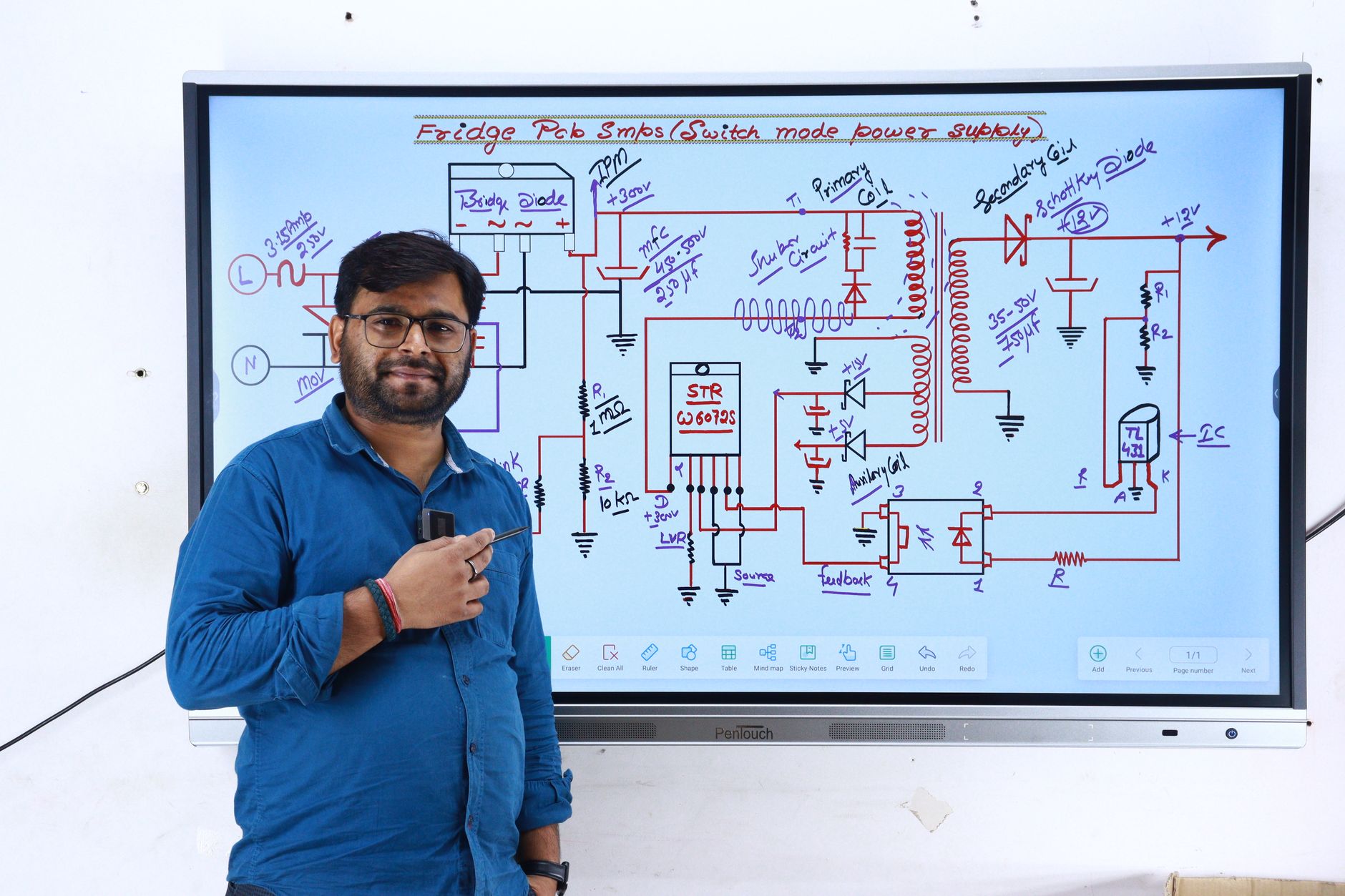
Technology has played a transformative role in making educational resources more accessible. Online learning platforms, digital libraries, and virtual coaching have reduced geographical barriers that once limited quality education to metropolitan areas. Students in tier-two and tier-three cities now access the same content and preparation materials as their urban counterparts, intensifying competition while expanding opportunity.
The COVID-19 pandemic accelerated this digital transformation, normalizing online education and making families more comfortable with technology-enabled learning. This shift has also made education more affordable in some respects, though the digital divide remains a challenge for economically disadvantaged sections.
Challenges in the New Educational Landscape
This heightened focus on education has created significant challenges. Mental health concerns among students have risen as academic pressure intensifies. The emphasis on competitive examinations sometimes comes at the expense of holistic development, creativity, and practical skill-building. Additionally, the education system's capacity has not kept pace with demand, leading to intense competition for limited seats in quality institutions.
The financial burden on families has also increased. Education loans have become commonplace, and some households face debt pressures from financing their children's education. The returns on educational investment, while generally positive, are not guaranteed, and unemployment among educated youth remains a concern in certain sectors.
Looking Ahead
As India continues its economic trajectory, education will likely remain central to family aspirations and social identity. The challenge lies in ensuring that this focus translates into genuine skill development, innovation, and employability rather than merely credential accumulation. Policymakers, educators, and families must work together to create an ecosystem where educational aspirations align with economic realities and individual potential.
The transformation of education into an essential marker of aspiration reflects India's confidence in its future and its citizens' determination to participate meaningfully in an increasingly competitive global economy. How this evolution shapes the next generation will significantly influence India's social and economic landscape for decades to come.