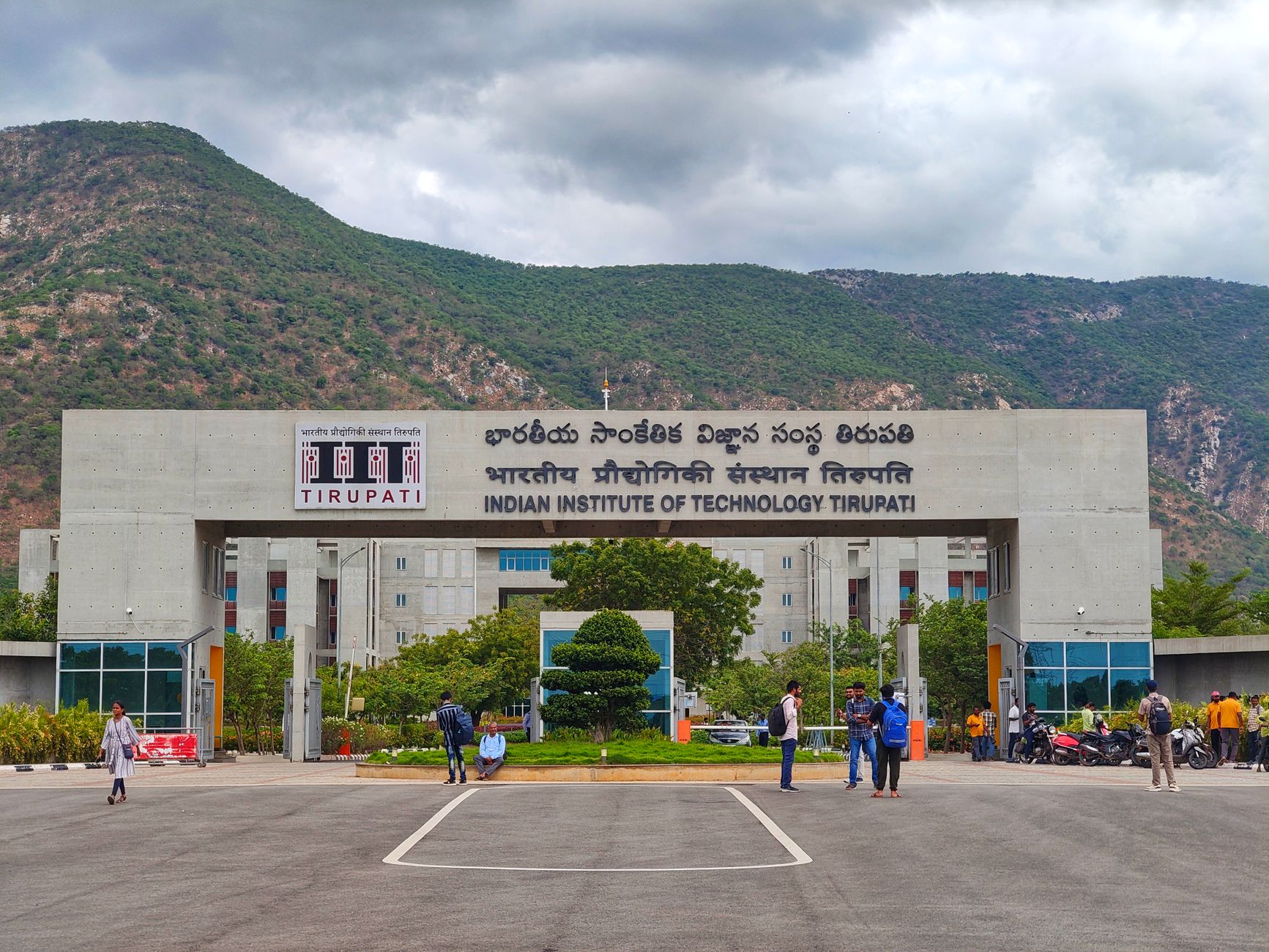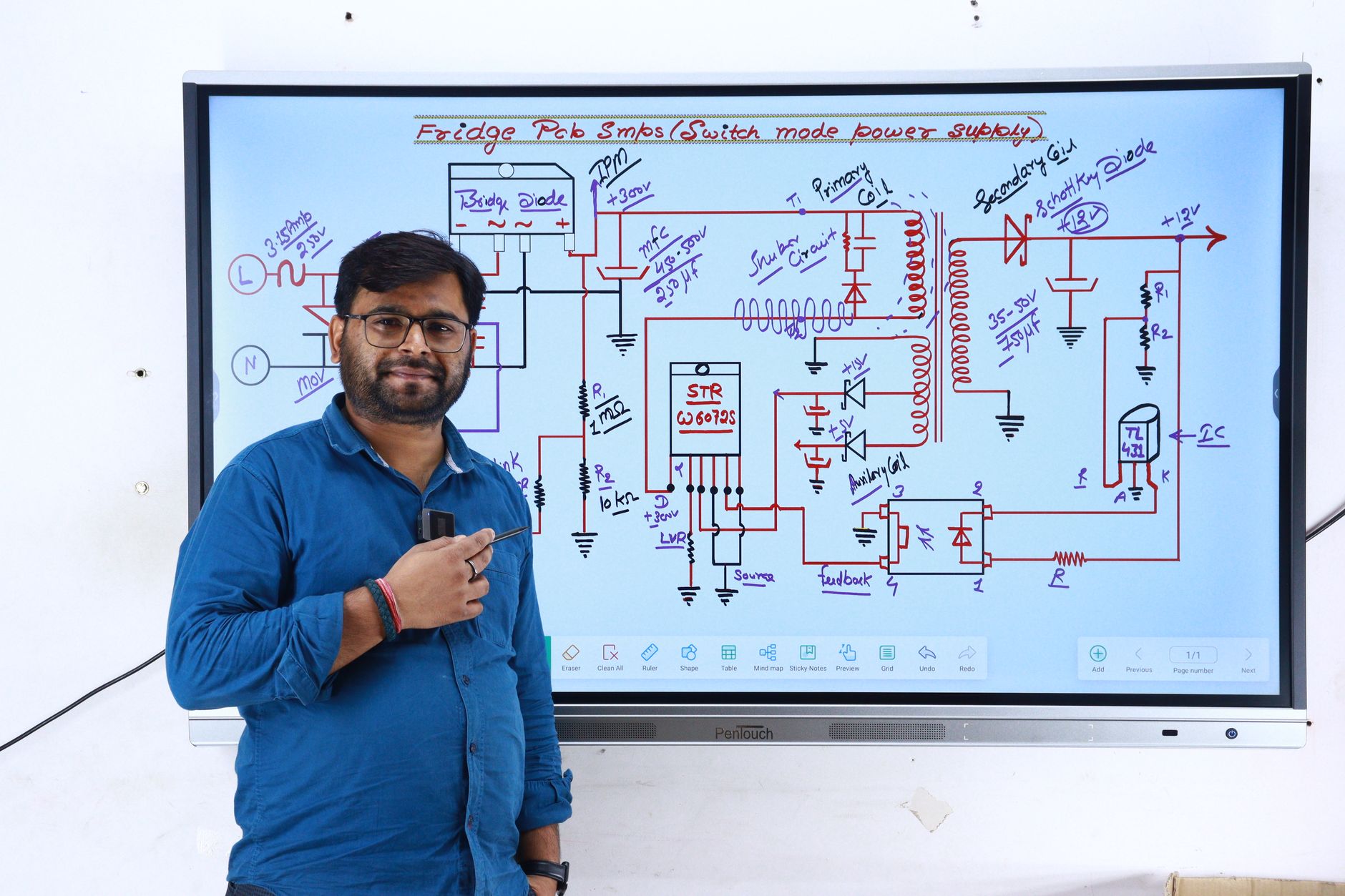
The call for strengthened educational partnerships among BRICS countries—Brazil, Russia, India, China, and South Africa—comes at a critical juncture when traditional education systems worldwide face unprecedented pressures. The emphasis on collective problem-solving recognises a fundamental truth: many of today's educational challenges are global in nature and require coordinated responses.
The Shared Challenges Facing Modern Education
Education systems across the world, particularly in developing economies, grapple with remarkably similar obstacles. The digital transformation of learning, accelerated by recent global events, has exposed vast infrastructure gaps. Millions of students lack reliable internet access, appropriate devices, or digital literacy skills necessary for online learning environments.
Beyond technology, there's a growing mismatch between what educational institutions teach and what employers need. Rapid automation and artificial intelligence are transforming job markets faster than curricula can adapt. This skills gap affects all nations, regardless of their development status, making it a universal concern that benefits from shared solutions.
Quality assurance presents another common hurdle. Ensuring consistent educational standards across diverse geographical regions, socioeconomic backgrounds, and linguistic groups challenges policymakers everywhere. Teacher training, retention, and continuous professional development remain persistent issues that no single country has fully resolved.
What BRICS Nations Bring to the Table
The BRICS bloc represents a unique combination of educational strengths and experiences. Each member nation brings distinct advantages that could benefit the others through structured cooperation.
India's expertise in scaling education to massive populations and its thriving EdTech sector offer valuable lessons in cost-effective delivery. China's technological infrastructure and digital learning platforms showcase how technology can be integrated at scale. Russia's strong foundation in science, mathematics, and engineering education provides models for STEM development. Brazil's experience in addressing educational inequality in diverse populations offers insights for inclusive policies. South Africa's multilingual education frameworks and post-apartheid transformation journey present unique perspectives on equity.
Areas Ripe for Collaboration
Several specific domains could benefit immediately from BRICS cooperation. Joint research initiatives could pool resources to study effective teaching methodologies, learning outcomes assessment, and education policy impacts. Shared platforms for curriculum development, particularly in emerging fields like artificial intelligence, renewable energy, and biotechnology, could help all member nations stay current.
Student and faculty exchange programmes within BRICS could foster cross-cultural understanding while allowing participants to learn from different educational approaches. Recognition of qualifications across member nations would facilitate academic mobility and create larger talent pools for each country.
Technology sharing represents another promising avenue. Collaborative development of open-source educational software, digital libraries, and online learning platforms could reduce costs while improving access. Pooling data and research on education technology effectiveness would help all members make evidence-based decisions about digital investments.
The Broader Implications
Educational cooperation among BRICS nations extends beyond academic concerns. These partnerships strengthen diplomatic and economic ties, creating networks of professionals and institutions that facilitate broader collaboration. For students, exposure to different educational cultures and approaches builds global competencies increasingly valued in international careers.
From an economic perspective, aligned educational standards and mutual recognition of credentials could ease labour mobility within the bloc. This becomes particularly relevant as BRICS nations seek to enhance economic integration and reduce dependence on Western educational models and institutions.
Implementation Challenges
Despite the compelling rationale, meaningful cooperation faces obstacles. Differences in political systems, languages, and educational philosophies require careful navigation. Ensuring equitable participation where member nations have vastly different resources and capacities demands thoughtful structuring.
Bureaucratic hurdles in establishing joint programmes, transferring credits, or recognising qualifications can slow progress. Sustaining momentum beyond ministerial statements to create lasting institutional partnerships requires dedicated resources and political will.
The Path Forward
For BRICS educational cooperation to translate from aspiration to impact, concrete mechanisms must follow high-level commitments. Establishing joint working groups with specific deliverables, creating dedicated funding for collaborative projects, and setting measurable goals with regular progress reviews would demonstrate serious intent.
The emphasis on working together in education reflects a pragmatic recognition that isolationist approaches cannot address challenges inherently global in scope. Whether BRICS nations can convert this recognition into effective partnerships will depend on moving from declarations to dedicated implementation, from broad agreements to specific programmes that tangibly benefit students and educators across all member countries.