Indian students have long been among the largest groups pursuing higher education abroad, particularly in countries like the United States, United Kingdom, Canada, and Australia. However, recent data showing a 31% decline in students moving abroad for studies signals a dramatic shift in educational preferences and priorities.
The Rising Cost Factor
The financial burden of international education has become increasingly prohibitive for middle-class Indian families. Tuition fees at reputed foreign universities have skyrocketed over the past five years, with annual costs at many institutions now exceeding Rs 40-50 lakh when including living expenses. The weakening of the Indian rupee against major currencies like the US dollar, British pound, and Australian dollar has made overseas education even more expensive.
Additionally, education loan policies have tightened considerably. Banks now require substantial collateral and offer lower loan-to-value ratios than before. Many families who could previously finance foreign education through a combination of savings and loans now find themselves priced out of the market.
Improved Quality of Domestic Institutions
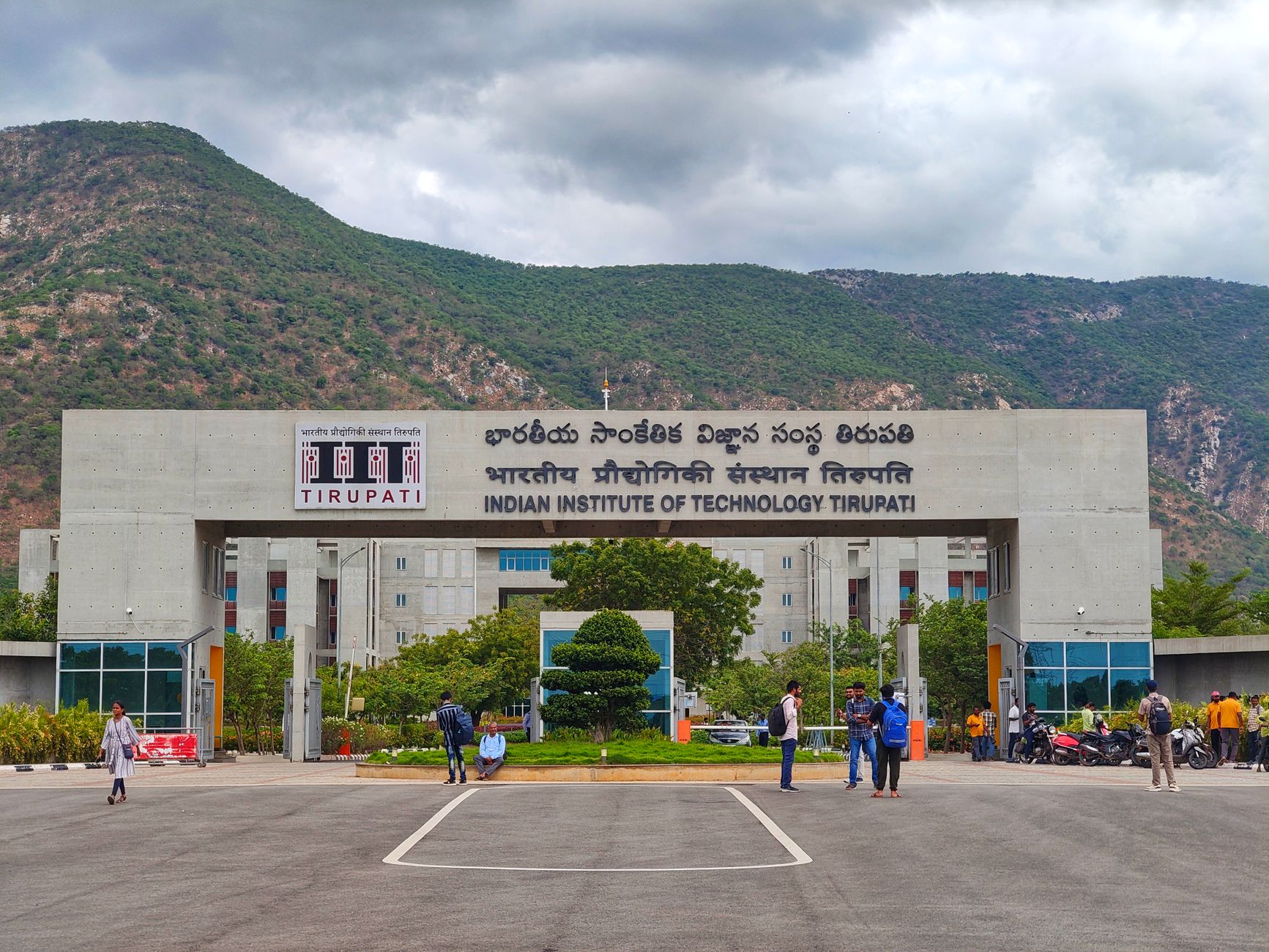
India's higher education landscape has transformed significantly in recent years. Several Indian universities and institutes have climbed global rankings, with IITs, IIMs, and other premier institutions offering world-class education and research facilities. The National Education Policy 2020 has also introduced reforms aimed at improving academic flexibility and research opportunities.
Many top Indian universities now offer international collaborations, student exchange programmes, and dual degree options that provide global exposure without the need to relocate entirely. Industry partnerships have strengthened, ensuring that graduates from premier domestic institutions receive competitive placement opportunities.
Stricter Immigration and Visa Policies
Post-study work opportunities have become more uncertain in traditional destination countries. The United Kingdom has fluctuated its post-study work visa policies multiple times in recent years. The United States has tightened H-1B visa regulations, making it harder for international students to secure work authorization after graduation. Canada, while still welcoming, has introduced new restrictions on study permits and work permits for international students.
These policy changes have made parents and students question whether the investment in foreign education will translate into meaningful career opportunities abroad or if students will simply return to India with substantial debt.
The Remote Work Revolution
The COVID-19 pandemic demonstrated that quality education and professional opportunities are no longer bound by geography. Many universities now offer hybrid or online programmes that allow students to earn internationally recognized degrees without leaving India. This arrangement provides international credentials at a fraction of the cost.
Similarly, the rise of remote work has opened up international employment opportunities for Indian graduates without requiring them to relocate. Many students now reason that they can build global careers while studying in India and working remotely for international companies.
Growing Startup and Employment Ecosystem in India
India's booming startup ecosystem has created abundant opportunities for young graduates. The country now hosts over 100 unicorns, and cities like Bangalore, Hyderabad, Gurugram, and Pune have emerged as major employment hubs offering competitive salaries and career growth.
Many multinational corporations have also expanded their Indian operations significantly, offering roles with international exposure, competitive compensation packages, and opportunities to work on global projects—all without requiring overseas education credentials.
The Family Factor
The pandemic reminded many families of the importance of proximity. Parents are increasingly hesitant to send their children thousands of miles away, particularly after experiencing the anxiety and logistical challenges during COVID-19 lockdowns when many students were stranded abroad.
Cultural considerations also play a role. Many students and families are re-evaluating whether the social and cultural adjustments required for studying abroad justify the benefits, especially when domestic alternatives have improved substantially.
Looking Ahead
The 31% decline in students pursuing overseas education represents a maturing of India's education market rather than a rejection of international exposure. Students are making more calculated decisions, weighing costs against benefits, and increasingly finding that domestic options meet their needs.
However, this doesn't mean overseas education has lost its appeal entirely. Top-tier programmes at prestigious universities, specialized courses unavailable in India, and specific research opportunities will continue to attract Indian students. The difference is that overseas education is no longer seen as automatically superior—it must clearly demonstrate value for the significant investment required.
This article is for general informational purposes only and does not constitute educational or financial advice. Individuals should conduct thorough research and consult with education counselors and financial advisors before making decisions about higher education options.