India's education portfolio has seen a significant change with the appointment of Pralhad Joshi as the new minister for education. The reshuffle brings a seasoned politician with extensive ministerial experience to one of the country's most critical portfolios, overseeing everything from school curricula to higher education reforms.
Political Background and Career
Pralhad Joshi is a five-term member of Parliament representing the Dharwad constituency in Karnataka. First elected to the Lok Sabha in 2004, he has steadily risen through the ranks of the Bharatiya Janata Party to become one of its trusted faces in national governance.
Before entering national politics, Joshi built his political foundation in Karnataka state politics, where he developed a reputation as an organizational worker. His legal background, having practiced as an advocate, has informed his approach to policy and administration throughout his political career.
Previous Ministerial Roles
Joshi is not new to handling major government portfolios. He previously served as the Minister for Parliamentary Affairs, Coal, and Mines during the Modi government's second term. In these roles, he was responsible for steering legislative business through Parliament and overseeing critical sectors of India's economy.
His tenure in the coal and mines ministry saw him navigate complex regulatory challenges and push for reforms aimed at increasing domestic production and reducing import dependence. This administrative experience is expected to serve him well in managing the sprawling education bureaucracy.
The Education Portfolio's Challenges
Taking charge of India's education ministry means confronting several pressing challenges:
- Implementing the National Education Policy 2020, which aims to transform India's education system from foundational to higher education levels
- Addressing learning loss from pandemic-era school closures, particularly among disadvantaged communities
- Managing the transition to new curricular frameworks and examination patterns
- Balancing tradition and modernization in educational content
- Expanding access to quality higher education while maintaining standards
- Tackling the employment gap between educational qualifications and job market requirements
Key Policy Areas to Watch
The education minister's role extends across multiple critical domains. School education requires attention to infrastructure, teacher training, and ensuring equitable access across urban and rural areas. The mid-day meal scheme, digital education initiatives, and foundational literacy programs all fall under this umbrella.
In higher education, the minister will oversee universities, technical education institutions, and regulatory bodies like the University Grants Commission. Recent years have seen debates around autonomy for educational institutions, accreditation processes, and the internationalization of Indian campuses.
Karnataka Connection
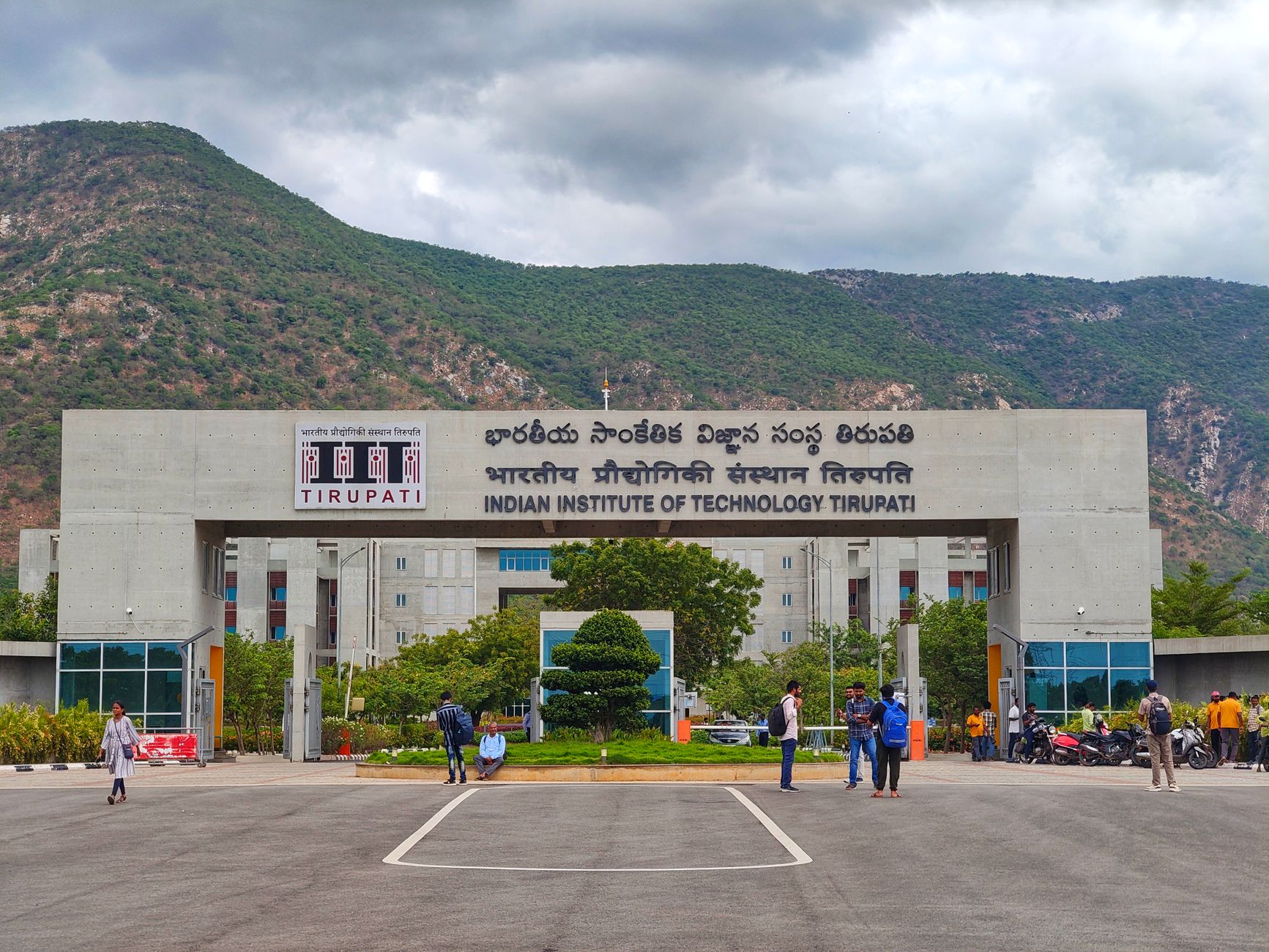
Joshi's home state of Karnataka is known for its educational institutions, particularly in engineering and technology. Bengaluru, the state capital, hosts numerous premier institutions including the Indian Institute of Science and several Indian Institutes of Technology campuses. This regional connection gives Joshi firsthand familiarity with both the potential and challenges in India's education landscape.
Political Style and Approach
Known for his organizational abilities and relatively low-key public profile, Joshi has built a reputation as an administrator rather than a firebrand politician. His approach tends toward consensus-building within party frameworks while maintaining firm positions on policy matters.
His legal training often reflects in his parliamentary interventions, where he focuses on procedural and substantive aspects of legislation. This methodical approach may prove valuable in implementing complex educational reforms that require coordination across states and multiple stakeholder groups.
Continuity and Change
The education portfolio has seen significant policy initiatives in recent years, most notably the National Education Policy 2020, which represented the first major overhaul of India's education framework in decades. Joshi's appointment suggests continuity in implementing this vision while potentially bringing fresh perspectives to execution challenges.
The minister will also need to address ongoing debates around language policy in education, particularly the three-language formula, examination reforms, and the integration of vocational education into mainstream schooling.
Looking Ahead
As India positions itself as a global knowledge economy, the education minister's role becomes increasingly strategic. From ensuring foundational literacy for every child to creating world-class research universities, the portfolio demands balancing immediate operational challenges with long-term vision.
Joshi steps into this role at a time when education is viewed not just as a social sector but as fundamental to India's economic competitiveness and demographic dividend. His success will be measured by tangible improvements in learning outcomes, institutional quality, and the education system's ability to prepare young Indians for a rapidly changing world.