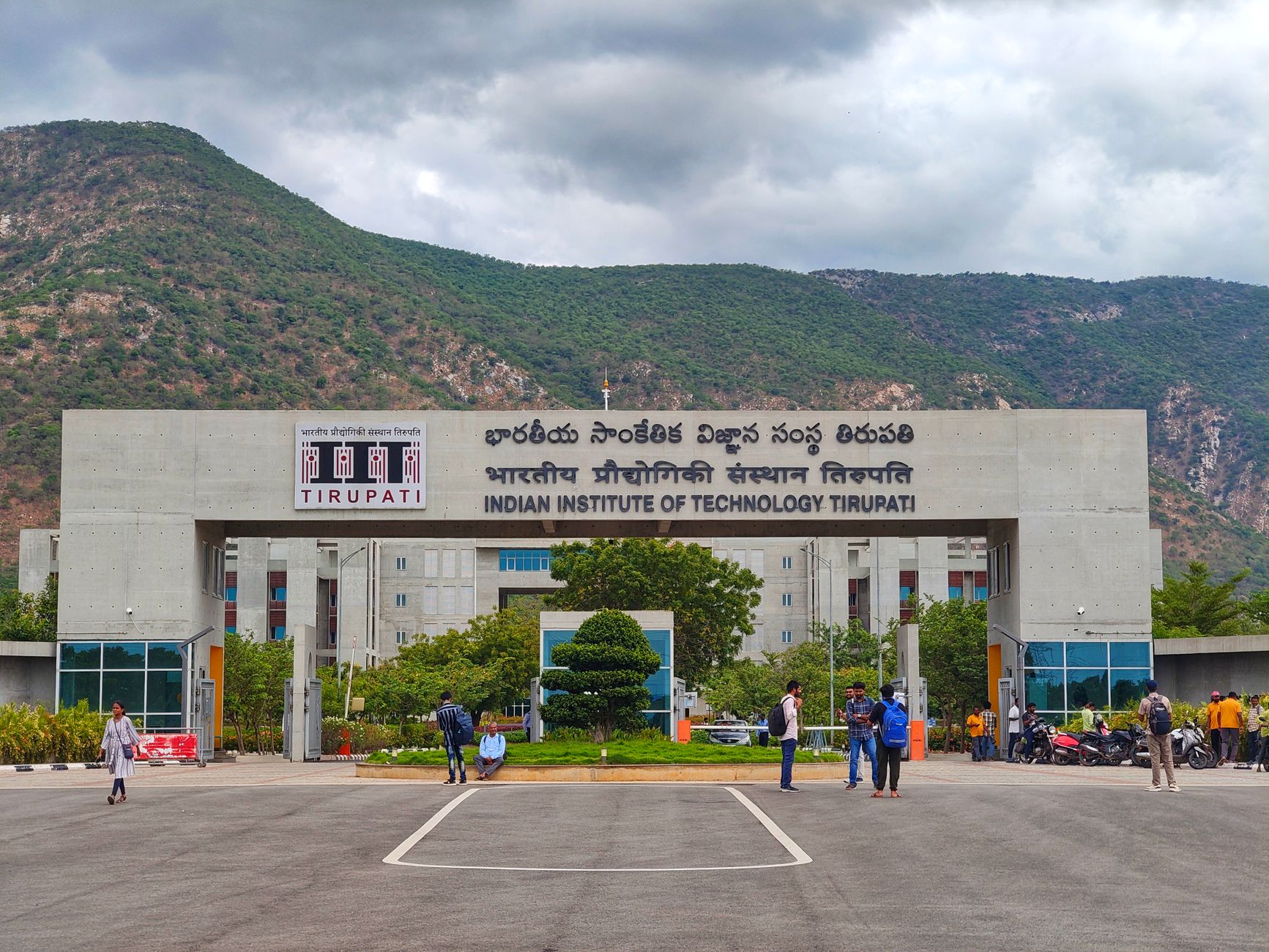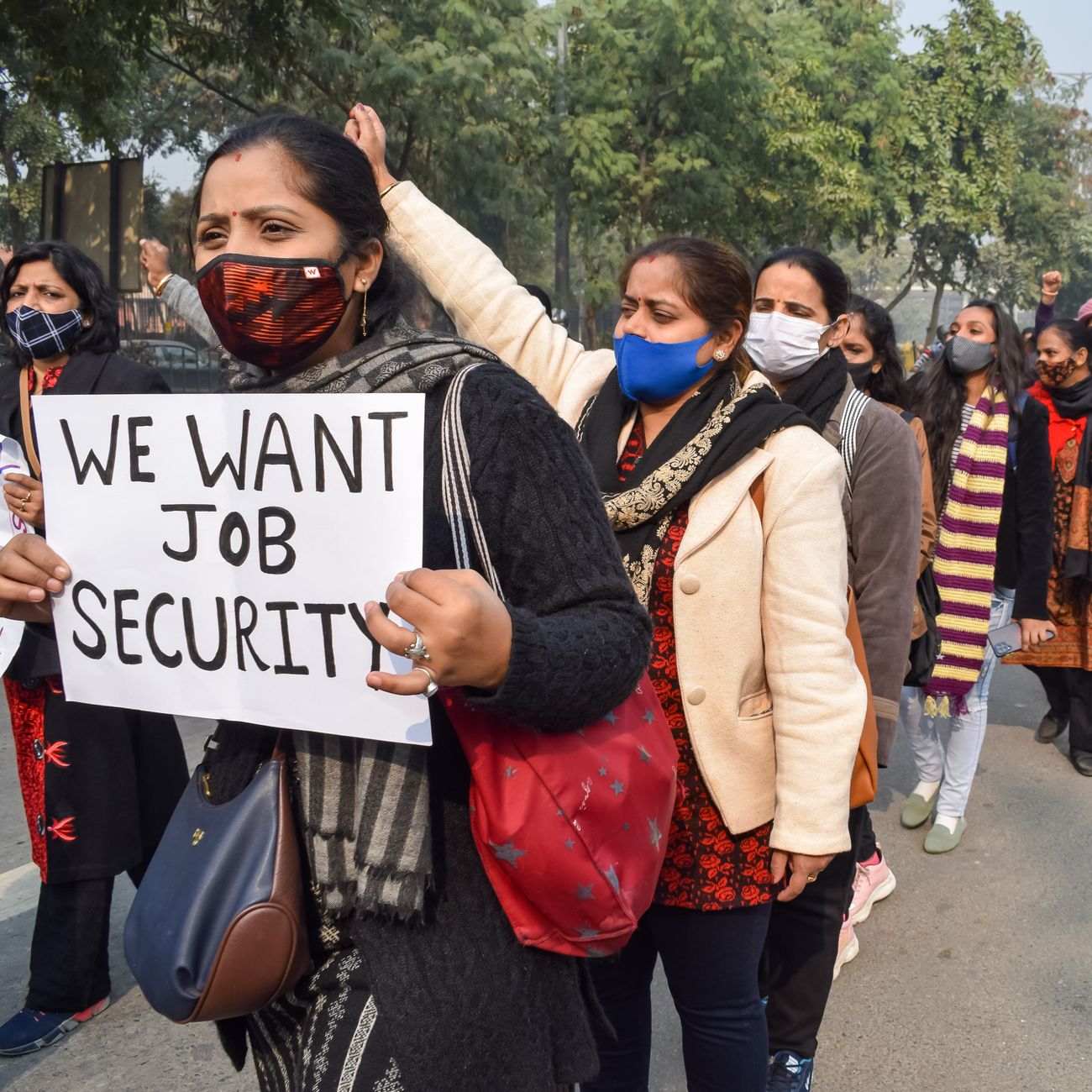
India stands at a demographic crossroads. With one of the world's youngest populations, the country adds millions of fresh graduates and job seekers to the labour market each year. Yet a significant proportion struggle to secure their first employment opportunity, creating a cascade of consequences that extend far beyond individual disappointment.
The Scale of the Challenge
Each year, Indian universities and colleges produce graduates across streams ranging from engineering and medicine to commerce and liberal arts. However, the growth in educational output has not been matched by corresponding employment opportunities in formal sectors. This mismatch creates a bottleneck at the entry level, where competition for limited positions becomes intense.
The situation varies considerably across educational backgrounds. While certain specialized fields may offer better prospects, general degree holders often face the steepest challenges. Geography also plays a role, with tier-two and tier-three cities experiencing fewer opportunities compared to metropolitan areas.
Immediate Personal Impact
The inability to secure a first job creates profound personal consequences for young Indians. Financial independence remains elusive, delaying major life decisions including marriage, homeownership, and family planning. The psychological toll can be substantial, with many experiencing diminished self-worth and heightened anxiety about their future.
Young people who remain unemployed for extended periods often face:
- Erosion of skills and knowledge acquired during education
- Growing gaps in their resume that become harder to explain over time
- Increased pressure from family and social circles
- Reduced confidence during interviews and networking opportunities
- Financial dependency that strains family resources
The Family Dimension
In India's largely family-oriented society, individual unemployment rarely remains an isolated problem. Families often invest significant resources in their children's education, viewing it as a pathway to better opportunities. When employment does not materialize, these investments appear uncertain, creating tension and disappointment.
Parents may face difficult decisions about continuing financial support while managing their own retirement planning. Siblings might feel pressure to compensate or delay their own educational pursuits. The emotional strain can affect family dynamics and relationships in lasting ways.
Economic Ripple Effects
At a macro level, widespread youth unemployment represents a significant economic challenge. The demographic dividend that India's young population promises can only materialize if these individuals participate productively in the economy. Idle human capital represents both lost potential and wasted educational investment.
Consumer spending patterns shift when young people lack purchasing power. Industries targeting young consumers face reduced demand. The tax base remains smaller than it could be, affecting government revenue and the funding available for public services and infrastructure.
Social Consequences
Extended unemployment among youth can contribute to broader social challenges. Frustration and disillusionment may manifest in various ways, from increased migration to urban areas in search of opportunities to potential social unrest. The brain drain phenomenon intensifies as talented individuals seek opportunities abroad.
Communities lose the energy and innovation that employed young people typically bring. Social mobility stagnates when educational achievement fails to translate into economic advancement. This can perpetuate cycles of inequality and limit the aspirations of future generations.
Systemic Issues Contributing to the Problem
Several structural factors contribute to this employment challenge. Educational curricula often emphasize theoretical knowledge over practical skills that employers seek. Industry-academia collaboration remains limited in many regions, creating a disconnect between what students learn and what workplaces need.
The pace of technological change has accelerated skill obsolescence. Positions that existed five years ago may no longer be relevant, while new roles require expertise that traditional education systems struggle to provide quickly enough.
Pathways Forward
Addressing this challenge requires coordinated action across multiple fronts. Educational institutions must prioritize employability alongside academic achievement. This includes integrating internships, industry projects, and skill development into regular curricula.
Entrepreneurship support can help young people create opportunities rather than solely seeking employment. However, this requires access to mentorship, funding, and a supportive ecosystem that many currently lack.
Government initiatives focusing on skill development, apprenticeships, and incentivizing job creation can play important roles. Similarly, industries bear responsibility for investing in training programs and reconsidering rigid experience requirements for entry-level positions.
The challenge of youth unemployment in India demands urgent attention and innovative solutions. The cost of inaction extends beyond economics into social fabric and national potential, making this a defining issue for India's future trajectory.