India's higher education landscape serves over 40 million students across thousands of institutions, yet it continues to grapple with challenges around quality, infrastructure, employability, and global competitiveness. Meanwhile, Gulf nations like Qatar and the United Arab Emirates have rapidly transformed their educational ecosystems over the past two decades, offering valuable lessons for countries seeking to modernize their academic systems.
Strategic International Partnerships
Qatar and the UAE have pioneered a model of bringing the world's best universities to their doorstep. Qatar's Education City hosts branch campuses of prestigious institutions including Georgetown, Northwestern, and Carnegie Mellon, while the UAE has attracted New York University and the Sorbonne to establish full-fledged campuses.
India could expand its approach to international academic collaboration beyond mere student exchange programs. Encouraging foreign universities to establish physical campuses or collaborative degree programs would expose Indian students to diverse pedagogical approaches without requiring overseas travel. The recent policy changes allowing foreign universities to operate in India represent a step in this direction, but implementation remains crucial.
Investment in World-Class Infrastructure
The Gulf states have invested heavily in creating state-of-the-art educational infrastructure. Libraries, laboratories, research facilities, and student amenities in institutions across Qatar and the UAE often match or exceed global standards. This physical infrastructure sends a message about the value placed on education and creates an environment conducive to learning and innovation.
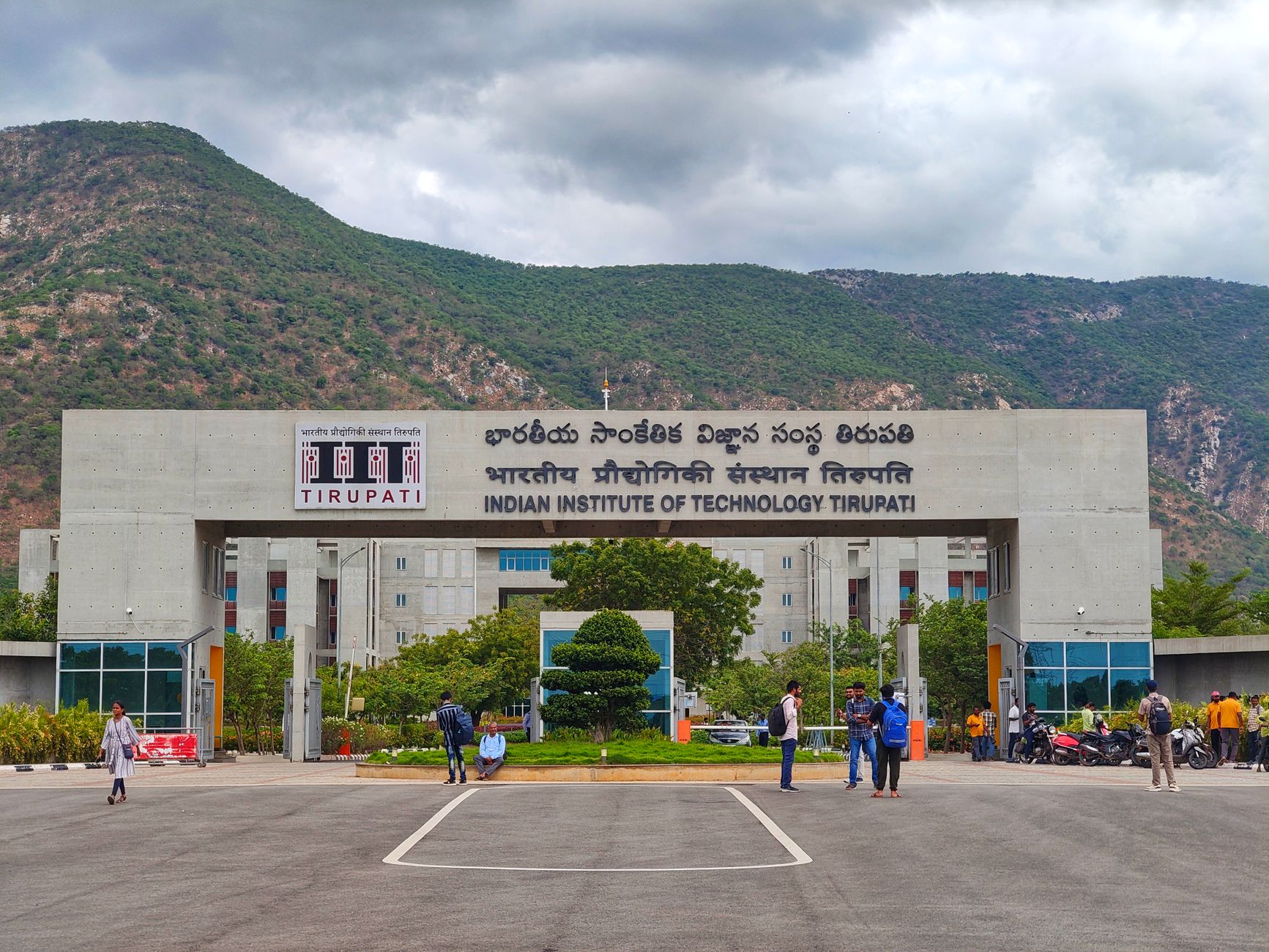
Indian institutions, particularly state universities and colleges, often struggle with inadequate infrastructure. While elite institutions like the IITs maintain high standards, the vast majority of colleges face crumbling buildings, outdated laboratories, and insufficient library resources. Increased public and private investment in educational infrastructure could significantly enhance the quality of learning experiences.
Alignment With Economic Priorities
Both Qatar and the UAE have deliberately aligned their higher education offerings with their economic diversification goals. As these nations seek to move beyond oil-dependence, their universities have developed strong programs in technology, renewable energy, logistics, tourism, and finance—sectors identified as future growth areas.
India's National Education Policy 2020 recognizes this need, but implementation at the institutional level remains inconsistent. Universities could benefit from stronger linkages with industry, regular curriculum updates reflecting market needs, and incentives for programs in emerging sectors like artificial intelligence, renewable energy, and advanced manufacturing.
Focus on Research and Innovation
Despite their relatively small populations, Gulf universities have made significant strides in research output. Qatar Foundation and various UAE institutions have established well-funded research centers focusing on areas of national importance, from water security to Arabic language technology.
India produces a large number of research publications, but concerns about quality and real-world impact persist. Learning from the Gulf model, Indian institutions could benefit from:
- Dedicated research funding with clear accountability mechanisms
- Stronger collaboration between universities and research institutions
- Focus on solving India-specific challenges through academic research
- Better intellectual property frameworks to commercialize research
Quality Over Quantity
While India's higher education system emphasizes mass access—a worthy goal given the country's population—the Gulf states have focused on creating a smaller number of high-quality institutions. This concentrated approach allows for better resource allocation, faculty recruitment, and quality control.
India need not abandon its commitment to mass education, but could consider creating clearer tiers within its system, with flagship institutions receiving resources to compete globally while other institutions focus on providing solid foundational education and vocational training.
Faculty Development and Competitive Compensation
Universities in Qatar and the UAE attract global faculty talent through competitive salaries, research support, and quality of life. This international faculty brings diverse perspectives and maintains connections with global academic networks.
Indian institutions often struggle to attract and retain top academic talent due to bureaucratic hiring processes, modest compensation, and limited research support. Reforms allowing universities greater autonomy in faculty recruitment, performance-based incentives, and investment in faculty development could help address this challenge.
Student Support Systems
Gulf universities typically offer comprehensive student support, including career counseling, mental health services, entrepreneurship centers, and robust placement assistance. These services recognize that education extends beyond classroom instruction.
Many Indian institutions lack such holistic support systems. Investing in student services could improve retention rates, mental health outcomes, and employment prospects for graduates.
The Gulf model is not without limitations—these nations benefit from substantial oil wealth and small populations. However, the underlying principles of strategic planning, quality focus, international collaboration, and alignment with national goals offer valuable lessons for India as it seeks to transform its higher education sector into a genuine engine of economic and social development.