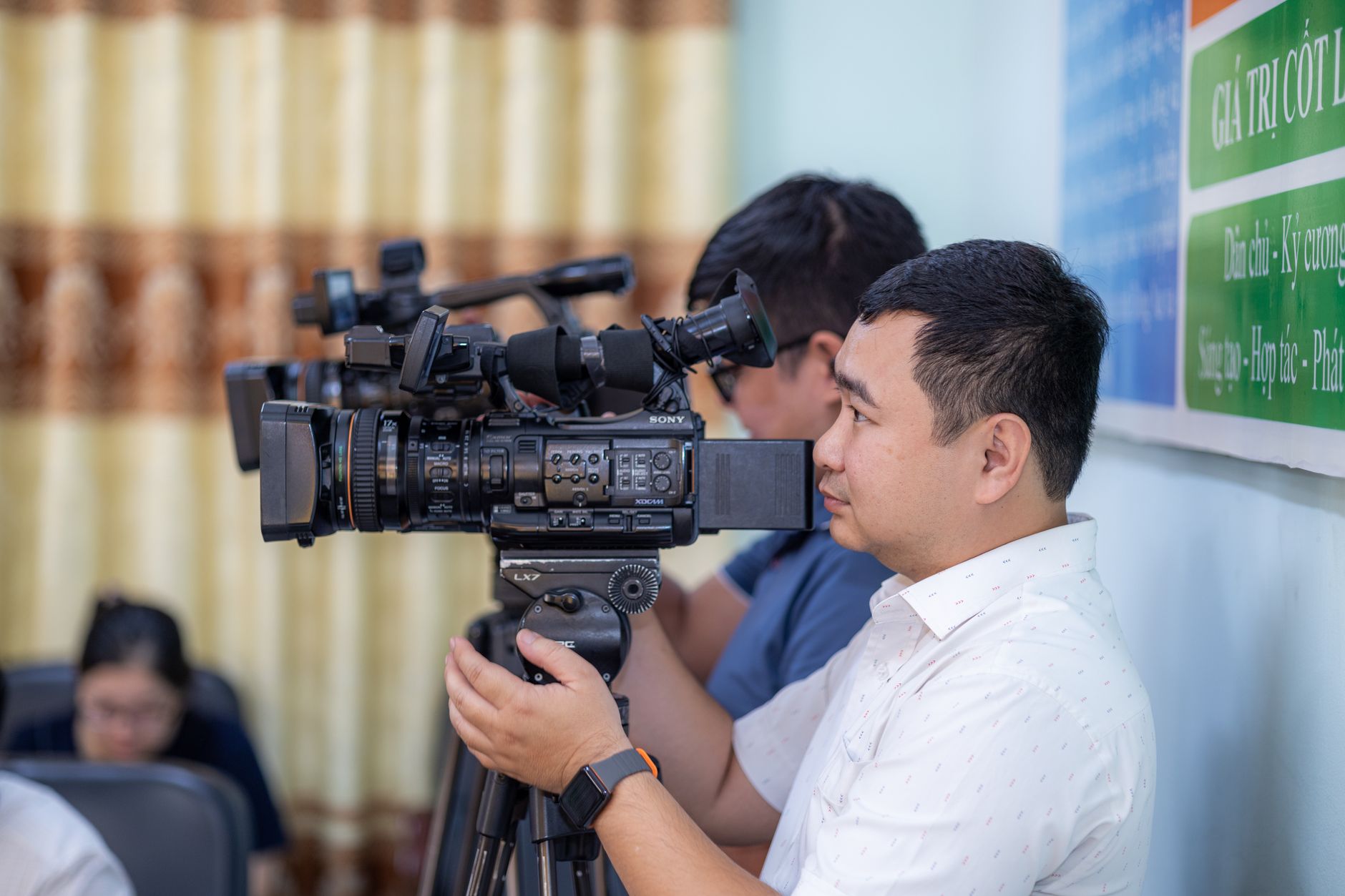
Non-communicable diseases (NCDs) are no longer conditions that affect only adults. Increasingly, children in India are being diagnosed with conditions like diabetes, obesity, cardiovascular issues, and respiratory disorders. To address the growing need for informed reporting on this critical health issue, UNICEF India partnered with the Press Information Bureau's Western Zone and the All India Institute of Medical Sciences, Nagpur, to conduct a comprehensive media training workshop.
Understanding Childhood NCDs
Non-communicable diseases are chronic conditions that are not passed from person to person and typically progress slowly. In children, these include type 2 diabetes, childhood obesity, asthma, congenital heart defects, cancer, and mental health disorders. According to health experts, lifestyle changes, environmental factors, genetic predisposition, and inadequate nutrition contribute to the rising burden of NCDs among young populations.
The workshop aimed to sensitize media professionals about the nuances of reporting on these conditions, which often require a different approach than covering infectious diseases or acute health crises.
Key Focus Areas of the Workshop
The two-day training programme covered multiple dimensions of childhood NCD reporting:
- Evidence-based journalism techniques for health reporting
- Understanding medical terminology and interpreting health data correctly
- Ethical considerations when reporting on children's health issues
- Avoiding stigma and sensationalism in coverage of childhood obesity and mental health
- Highlighting preventive measures and public health interventions
- Amplifying community voices and patient stories responsibly
Medical experts from AIIMS Nagpur provided participants with clinical insights into various childhood NCDs, their prevalence in India, and the long-term implications if left unaddressed. These sessions helped journalists understand the medical complexities behind the statistics.
The Role of Media in Public Health Awareness
Quality journalism plays a vital role in shaping public discourse around health issues. When it comes to childhood NCDs, media coverage can influence parental awareness, policy decisions, and resource allocation for prevention and treatment programmes.
However, reporting on children's health issues requires special sensitivity. Journalists must balance the need to inform the public with protecting the privacy and dignity of young patients. The workshop emphasized responsible storytelling that avoids stigmatizing children or families while still conveying the urgency of the issue.
UNICEF representatives highlighted how media can serve as a bridge between health institutions, policymakers, and communities. Accurate reporting can dispel myths, promote healthy behaviours, and encourage early screening and intervention.
The Growing Burden of Childhood NCDs in India
India is experiencing a dual disease burden, with infectious diseases still prevalent while NCDs rise sharply. Among children, lifestyle changes driven by urbanization, reduced physical activity, increased screen time, and consumption of processed foods have contributed to this trend.
Childhood obesity, for instance, has become a significant concern in urban areas, often serving as a gateway to other metabolic disorders. Similarly, air pollution in many Indian cities has led to increased respiratory conditions among children. Mental health issues, though often under-reported, affect a substantial proportion of young people.
The workshop underscored that early intervention and lifestyle modifications can prevent or manage many of these conditions, making public awareness through media even more critical.
Building a Network of Informed Journalists
Beyond imparting knowledge, the workshop aimed to create a network of journalists who can serve as informed voices on childhood health issues. Participants engaged in interactive sessions, case study analyses, and practical exercises designed to improve their reporting skills.
Representatives from PIB's Western Zone discussed government initiatives and schemes targeting childhood health, providing journalists with resources for comprehensive coverage. Understanding policy frameworks enables reporters to hold stakeholders accountable and track implementation of health programmes.
Moving Forward
As childhood NCDs continue to rise, sustained media attention is essential to keep the issue in public consciousness. Trained journalists can investigate gaps in healthcare delivery, highlight success stories, and advocate for evidence-based policies.
The collaboration between UNICEF, PIB, and AIIMS Nagpur represents a model for future capacity-building initiatives. By equipping media professionals with the right tools and knowledge, such workshops contribute to a more health-literate society.
This article is for general information purposes only. For specific health concerns regarding children, please consult qualified healthcare professionals.