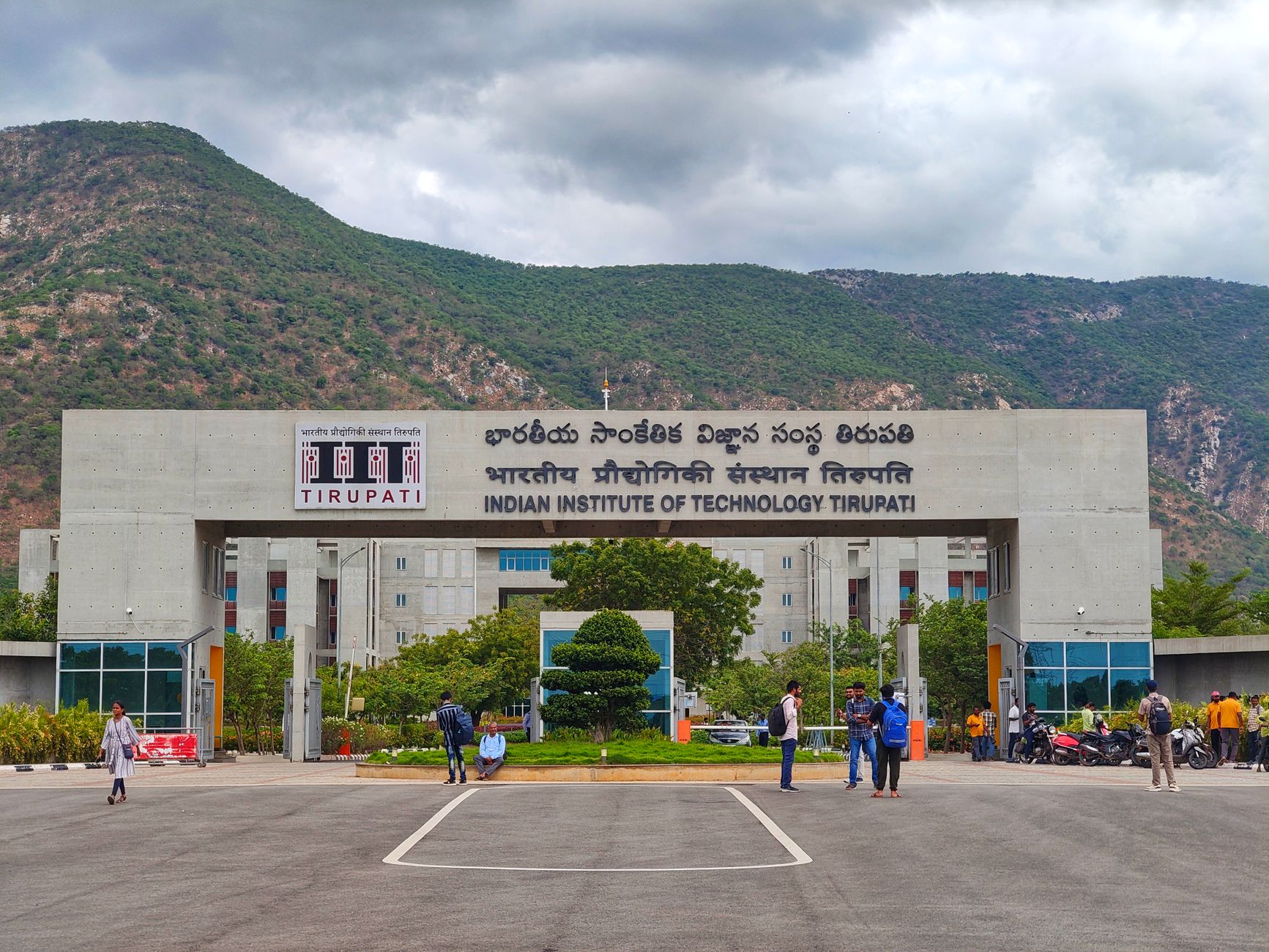
India faces a paradoxical employment situation where millions remain jobless despite holding impressive educational credentials. The assumption that more education automatically translates to better employment prospects has been challenged repeatedly by ground realities, forcing a re-examination of what truly drives employment in the country.
The Education-Employment Disconnect
The Indian education system produces millions of graduates annually, yet unemployment rates among educated youth remain alarmingly high. Engineering graduates drive auto-rickshaws, postgraduates work in retail stores, and PhD holders struggle to find positions matching their qualifications. This disconnect reveals that education, while necessary, is insufficient for employment.
The problem lies in treating education as a checkbox rather than a holistic development tool. Many educational institutions focus on theoretical knowledge without developing practical skills, critical thinking, or problem-solving abilities that employers actually seek. Students emerge with degrees but lack the competencies required in real-world work environments.
Skills Versus Qualifications
Employers increasingly complain about the employability gap—the difference between what fresh graduates know and what jobs actually require. Technical skills, communication abilities, adaptability, and digital literacy often matter more than academic marks. A computer science graduate may understand algorithms theoretically but struggle with actual coding projects or collaborative software development.
Vocational training and skill development have traditionally been undervalued in India compared to conventional academic degrees. Countries with robust apprenticeship programs and vocational education systems often achieve better employment outcomes, suggesting that diverse educational pathways better serve varied economic needs.
Economic Structure and Job Creation
Unemployment fundamentally stems from insufficient job creation relative to the workforce size. Education levels cannot address this structural problem. India's economy needs to generate approximately 7-8 million jobs annually to absorb new workforce entrants, yet job creation has lagged significantly in recent years.
The nature of economic growth also matters. Capital-intensive industries generate fewer jobs per unit of investment compared to labor-intensive sectors. Technology automation further reduces employment opportunities in certain sectors, particularly for routine tasks that previously employed large numbers.
Systemic and Social Barriers
Several non-educational factors significantly impact employment prospects:
- Geographic disparities limit opportunities in smaller towns and rural areas
- Gender discrimination restricts women's workforce participation despite educational achievements
- Caste-based discrimination continues to affect hiring practices
- Lack of social capital and professional networks disadvantages first-generation learners
- Language barriers affect those from non-English medium backgrounds
Economic background plays a crucial role. Well-connected individuals often secure positions through references and networks unavailable to equally or better-qualified candidates from disadvantaged backgrounds. Unpaid internships, which serve as gateways to employment, remain accessible primarily to those who can afford to work without income.
The Quality of Available Employment
Even when employment exists, the quality matters. Underemployment—working in positions far below one's qualifications—affects millions. Contract work, gig economy jobs without benefits, and positions with poor wages and working conditions constitute much available "employment."
The mismatch between educational costs and eventual earning potential has created a generation bearing education loans while working in positions that barely cover living expenses. This economic stress transcends educational achievement.
Policy and Institutional Responses
Addressing unemployment requires multi-pronged approaches:
- Reforming curricula to align with industry needs and future job markets
- Strengthening placement cells and career counseling in educational institutions
- Incentivizing entrepreneurship and self-employment as viable alternatives
- Expanding skill development programs and apprenticeships
- Creating enabling environments for labor-intensive industry growth
- Addressing discrimination and expanding opportunities in underserved regions
Redefining Success and Career Paths
Society must broaden its definition of successful careers beyond traditional employment. Entrepreneurship, creative professions, trades, and skilled labor deserve equal respect and systemic support. The obsession with certain professional courses—engineering, medicine, MBA programs—creates artificial competition while leaving other sectors understaffed.
Education remains valuable for personal development, critical thinking, and informed citizenship beyond employment considerations. However, solving unemployment requires acknowledging that education is one element within a complex ecosystem involving economic policy, social structures, industry development, and inclusive opportunities.
The unemployment crisis demands systemic solutions addressing job creation, skill development, discrimination, economic structure, and how society values different forms of work—challenges that no amount of additional education alone can resolve.