India's demographic dividend has long been celebrated as the nation's greatest advantage in the 21st century. With over 600 million people under the age of 25, the country possesses an enormous reservoir of human potential. Yet, this promising statistic masks a troubling reality: India is grappling with a deepening youth crisis that threatens to turn its demographic advantage into a liability.
The Employment Challenge
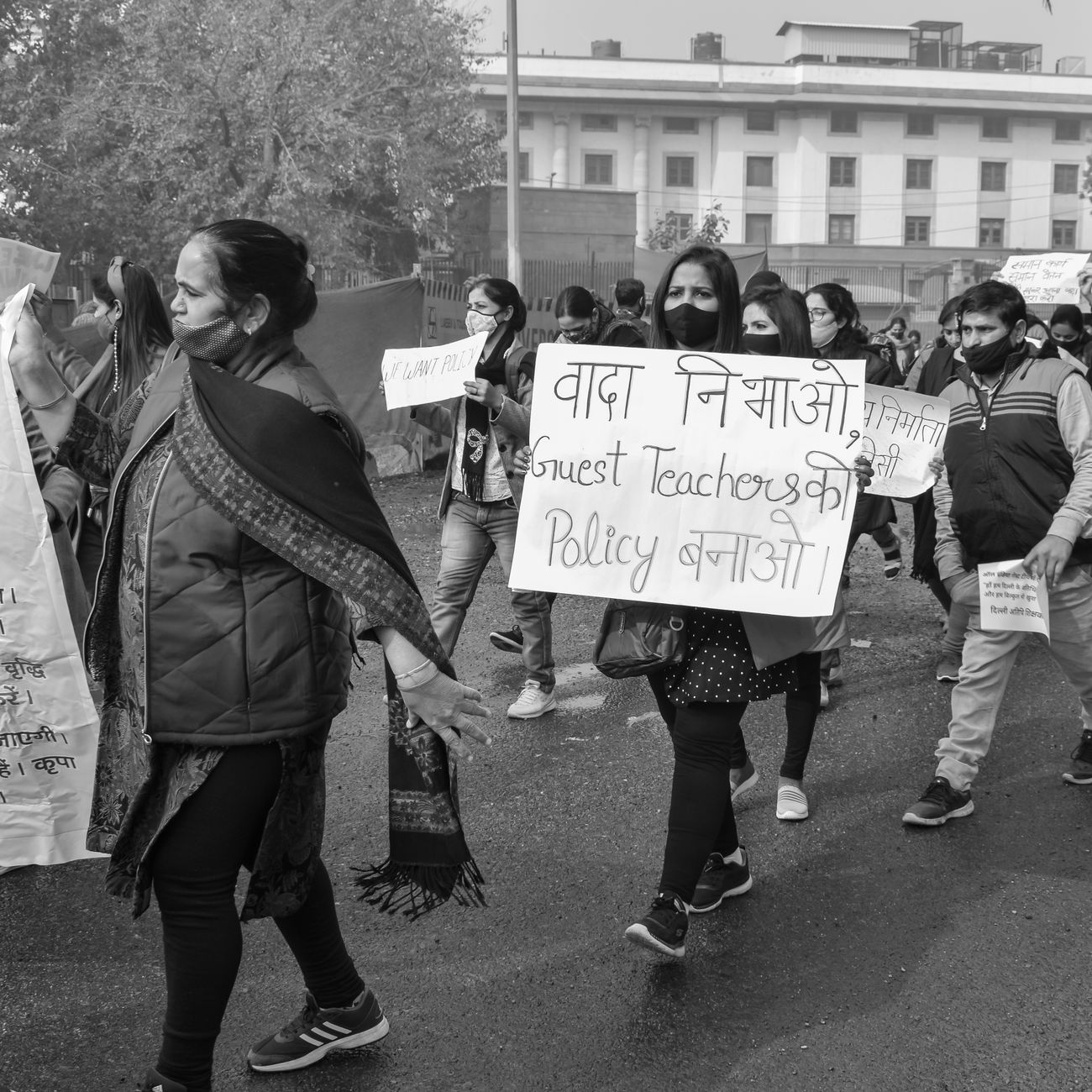
At the heart of India's youth crisis lies a fundamental mismatch between education and employment. Despite producing millions of graduates annually, the country faces stubbornly high youth unemployment rates. According to recent estimates, unemployment among educated youth in the 15-29 age group remains significantly higher than the national average.
The problem isn't merely about creating jobs, though that remains critical. It's about the quality and nature of employment available. Many young Indians find themselves trapped in precarious gig economy positions or underemployed in roles that don't utilise their educational qualifications. This has led to growing frustration and disillusionment among a generation that invested years and family resources into higher education.
Education System Disconnects
The Indian education system, while expanding access considerably over the past decades, has struggled to keep pace with evolving market demands. Rote learning continues to dominate classrooms, leaving students ill-prepared for workplaces that increasingly value critical thinking, creativity, and adaptability.
Several structural issues plague the system:
- Outdated curricula that don't reflect contemporary industry needs
- Insufficient emphasis on practical skills and vocational training
- Limited focus on soft skills like communication and teamwork
- Inadequate career counselling and guidance infrastructure
- Wide quality variations between urban and rural institutions
This disconnect means that even engineering and management graduates often require extensive retraining before becoming productive employees. Employers frequently complain about the "unemployability" of fresh graduates, highlighting the chasm between classroom learning and workplace requirements.
The Skill Development Gap
India's ambitious skill development initiatives have made some progress, but the scale of the challenge remains daunting. The country needs to skill or upskill approximately 400 million people by 2022, yet the existing infrastructure and programmes have fallen short of this target.
Vocational education continues to carry social stigma, with families preferring traditional degree programmes even when skill-based training might offer better employment prospects. This cultural preference, combined with the variable quality of Industrial Training Institutes and skill development centres, limits the effectiveness of alternative education pathways.
Regional and Social Disparities
The youth crisis doesn't affect all Indians equally. Rural youth face particularly acute challenges, with limited access to quality education, fewer employment opportunities, and significant migration pressures. Agricultural distress has pushed many young people off farms, but they often lack the skills needed for urban employment.
Similarly, disadvantaged communities face additional barriers in accessing education and employment opportunities. Despite reservation policies and affirmative action programmes, systemic inequalities persist, limiting social mobility for millions of young Indians.
Mental Health and Aspiration Crisis
Beyond employment statistics, India's youth face an often-overlooked mental health crisis. Academic pressure, competitive entrance examinations, career uncertainty, and social media-fuelled comparison culture have created unprecedented stress levels among young people. Rising suicide rates among students, particularly around examination periods, highlight the severity of this challenge.
The gap between aspirations and opportunities creates another dimension of crisis. Exposure to global lifestyles through digital media has raised expectations, but stagnant social mobility leaves many young people feeling trapped and hopeless.
The Way Forward
Addressing India's youth crisis requires comprehensive, coordinated action across multiple fronts. Education reform must prioritise critical thinking, practical skills, and adaptability. Industry-academia partnerships need strengthening to ensure curricula remain relevant. Entrepreneurship support, particularly for small and medium enterprises, can create job opportunities while fostering innovation.
Equally important is changing social attitudes toward vocational education and recognising multiple pathways to success. Investment in mental health infrastructure and career counselling services should become priorities rather than afterthoughts.
The stakes couldn't be higher. Successfully addressing the youth crisis could propel India toward prosperity and global leadership. Failure risks social unrest, economic stagnation, and the loss of a generation's potential. The demographic dividend has an expiration date, and India's window of opportunity is narrowing.