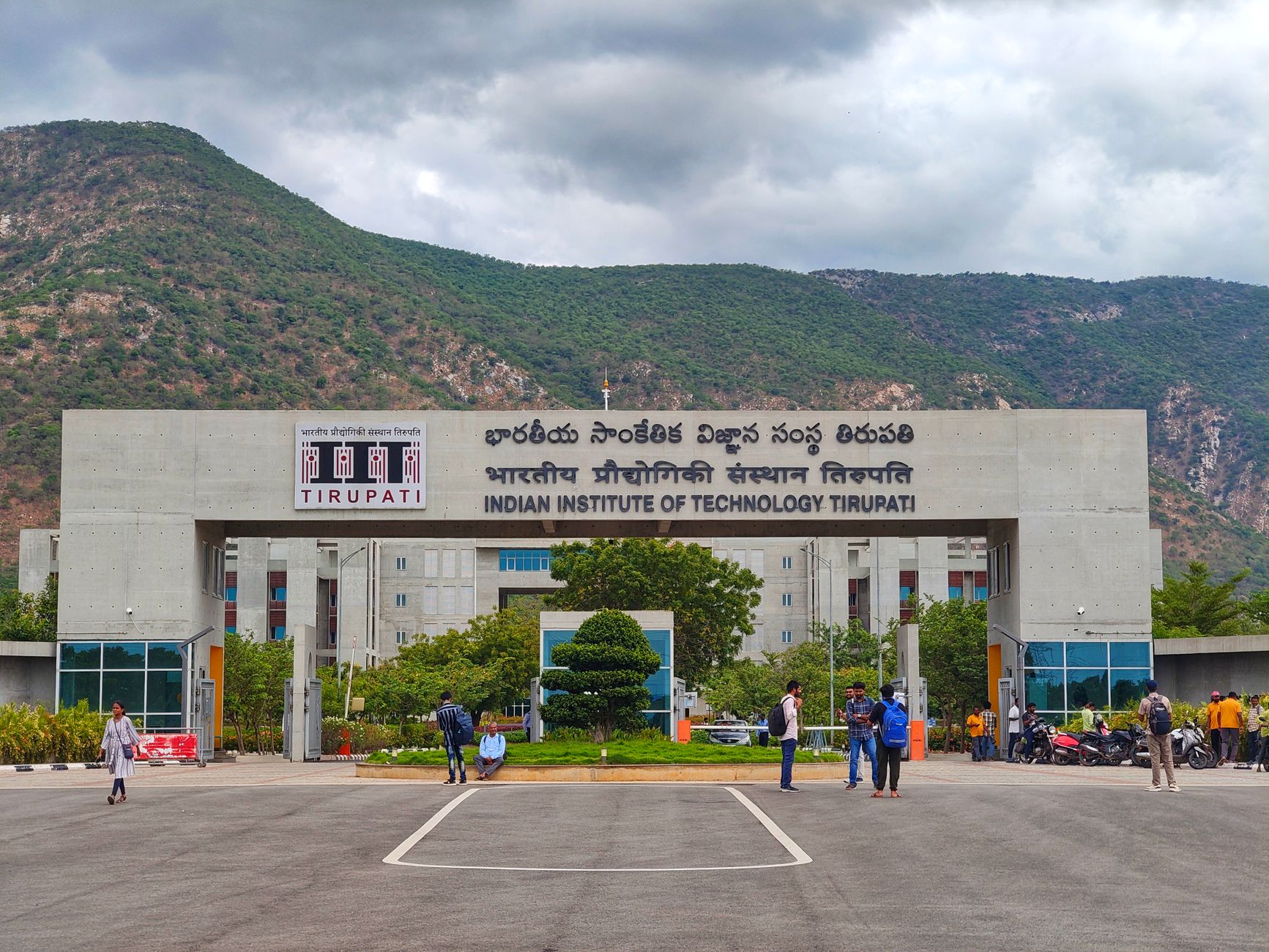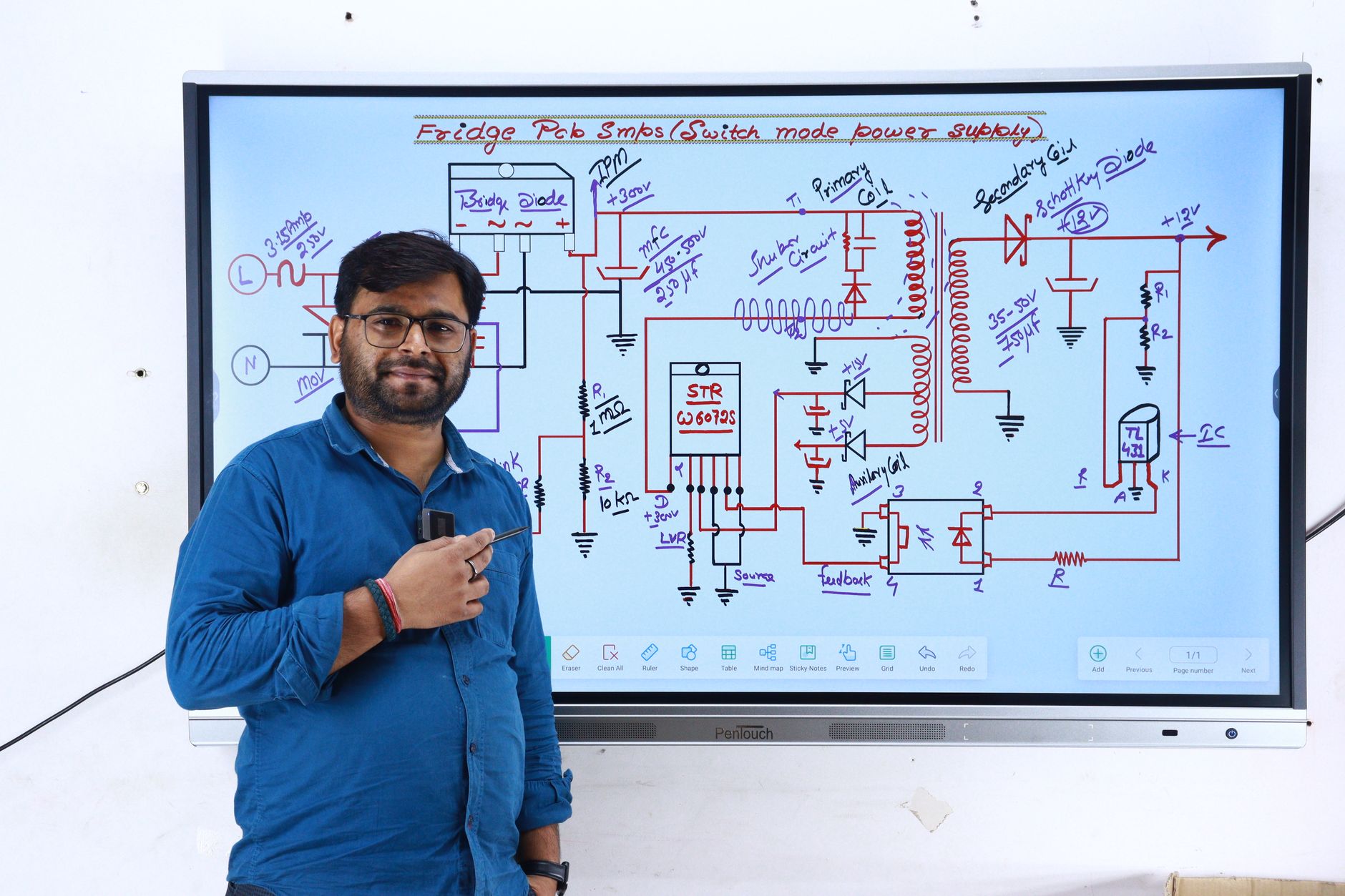
India boasts one of the world's largest higher education systems, with over 1,000 universities and 42,000 colleges serving millions of students annually. Yet beneath the impressive numbers lie persistent challenges that affect educational outcomes and graduate preparedness. Three fundamental issues continue to plague the sector, demanding urgent attention from institutions, government bodies, and stakeholders.
Quality and Academic Standards
The first major challenge confronting Indian higher education is the significant variation in quality across institutions. While premier institutes like the IITs, IIMs, and select central universities maintain world-class standards, a vast majority of colleges and universities struggle with academic rigour.
Many institutions face a shortage of qualified faculty members. The student-teacher ratio in numerous colleges far exceeds recommended norms, making personalized instruction nearly impossible. Faculty recruitment processes often prioritize filling vacancies over finding genuinely qualified educators, resulting in classrooms led by instructors lacking either subject expertise or pedagogical skills.
Outdated curricula represent another quality concern. Many universities continue teaching syllabi that have remained unchanged for decades, failing to incorporate recent developments in their fields. This disconnect between classroom learning and real-world applications leaves graduates inadequately prepared for contemporary challenges.
The emphasis on rote learning rather than critical thinking further undermines educational quality. Examination systems frequently reward memorization over analytical ability, discouraging innovation and independent thought among students.
Infrastructure and Resource Constraints
Physical and digital infrastructure deficits constitute the second significant challenge. Countless colleges across India operate without basic amenities that facilitate effective learning.
Libraries in many institutions lack current books, research journals, and digital resources. Laboratory equipment, where available, is often outdated or insufficient for the student population. Classroom facilities may be overcrowded, poorly maintained, or technologically under-equipped.
The digital divide has become increasingly apparent, especially following the pandemic-induced shift toward online education. Many institutions lack robust internet connectivity, learning management systems, or faculty trained in digital pedagogy. Students from rural areas or economically weaker sections often cannot access online resources, widening educational inequalities.
Research infrastructure remains particularly inadequate outside elite institutions. Limited funding for research projects, absence of advanced equipment, and insufficient support staff restrict the research output from Indian universities. This constraint affects both faculty development and students' exposure to cutting-edge work in their fields.
Employability and Skill Gaps
The third critical challenge involves the disconnect between education and employment. Despite producing millions of graduates annually, Indian higher education often fails to equip students with skills demanded by employers.
Industry feedback consistently highlights gaps in both technical and soft skills among fresh graduates. Many engineering graduates cannot perform basic tasks in their specializations, while arts and science graduates lack practical application abilities. Communication skills, teamwork, problem-solving capabilities, and adaptability—competencies essential in modern workplaces—receive insufficient attention in most curricula.
The absence of robust industry-academia collaboration exacerbates this challenge. Internship opportunities remain limited and often fail to provide meaningful learning experiences. Guest lectures by industry professionals are rare, and curriculum design seldom involves employer input.
Vocational and skill-based training receives inadequate emphasis within the traditional degree framework. The regulatory environment historically favoured theoretical knowledge over practical skills, though recent initiatives like the National Education Policy 2020 attempt to address this imbalance.
Career guidance and placement support are weak or non-existent in many institutions, leaving students to navigate the job market without adequate preparation or mentorship.
The Path Forward
Addressing these challenges requires coordinated efforts across multiple fronts. Regulatory bodies must enforce quality standards more stringently while providing institutions with autonomy to innovate. Investment in infrastructure—both physical and digital—needs substantial increase, particularly for institutions serving underprivileged communities.
Curriculum reform should prioritize industry relevance, interdisciplinary learning, and skill development alongside theoretical knowledge. Faculty development programs must become continuous and comprehensive, ensuring educators stay current in their fields and teaching methodologies.
Ultimately, transforming Indian higher education demands commitment from government, institutions, industry, and civil society to ensure that the system serves not just enrollment numbers but genuine learning outcomes and graduate success.