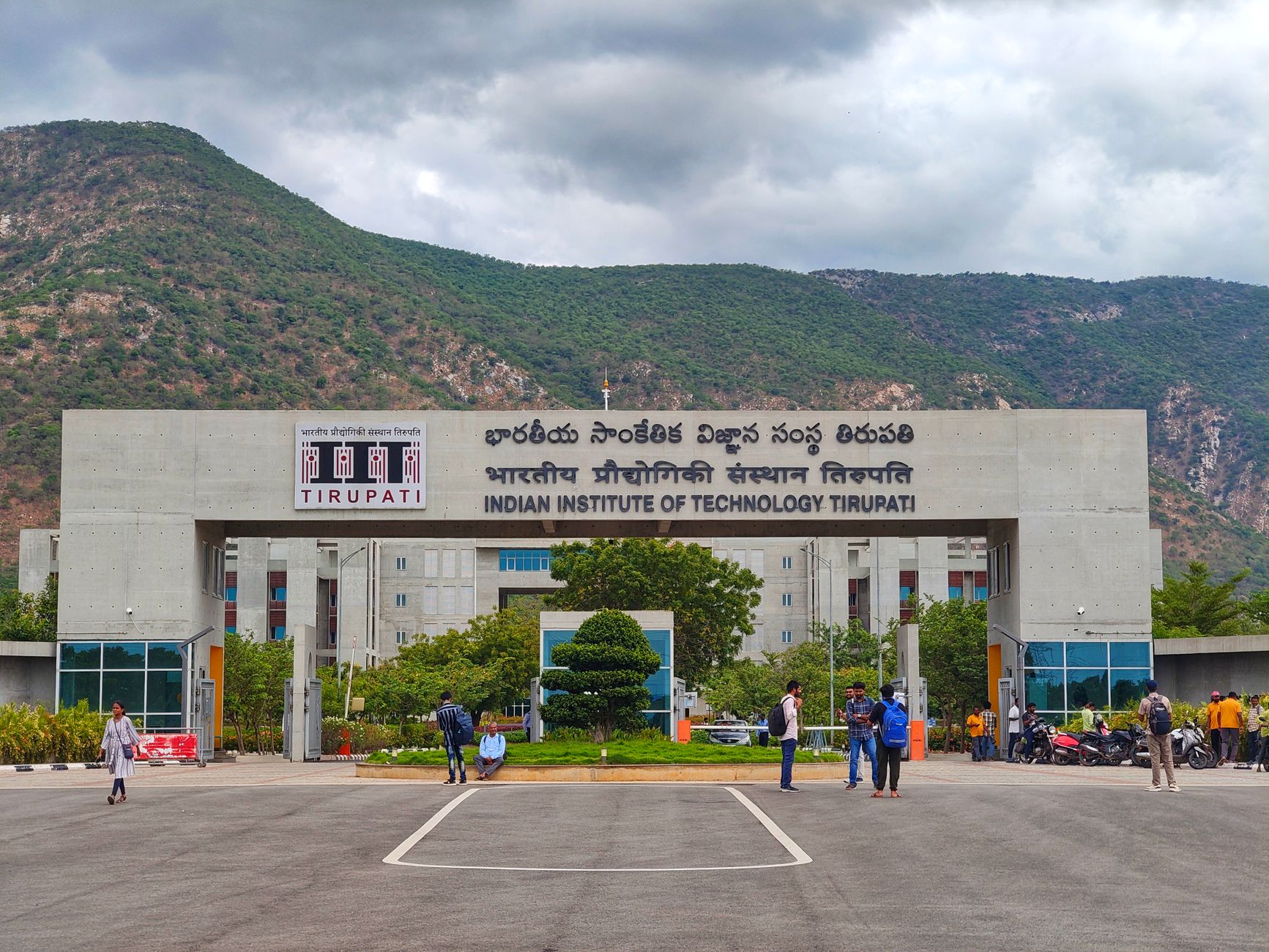
India's unemployment crisis has become one of the defining challenges of the decade, with millions of educated young people struggling to find suitable work despite holding degrees. While economic factors play a significant role, a deeper problem lies within the education system itself—one that prioritises rote memorisation over genuine understanding and rewards coaching centre performance over actual skill development.
The Memorisation Machine
From primary school through university, Indian students are trained to excel at one thing above all else: reproducing information on exam papers. The emphasis on scoring high marks in board examinations and competitive tests has created an education culture where understanding concepts takes a backseat to memorising answers. Students spend countless hours mugging up textbooks, previous years' question papers, and model answers, all aimed at securing the highest possible percentage.
This approach might produce impressive mark sheets, but it fails to develop the cognitive abilities that modern workplaces demand. Employers across sectors consistently report that fresh graduates lack problem-solving skills, analytical thinking, and the ability to apply theoretical knowledge to practical situations. The disconnect between what students learn and what the job market requires has never been wider.
The Coaching Culture Phenomenon
The proliferation of coaching centres across India tells its own story. From Kota's engineering coaching factories to Delhi's civil services preparation hubs, an entire parallel education industry has emerged. These institutions promise success in competitive examinations through intensive cramming, shortcut techniques, and repeated practice of similar question types.
While coaching centres do help students crack specific exams, they reinforce the very habits that make graduates less employable. Students learn to identify patterns in questions, memorise formulas without understanding derivations, and reproduce standard answers rather than thinking independently. This coaching-dependent mindset continues even after securing admission to premier institutions, where students often seek external help rather than engaging with course material themselves.
The Employability Gap
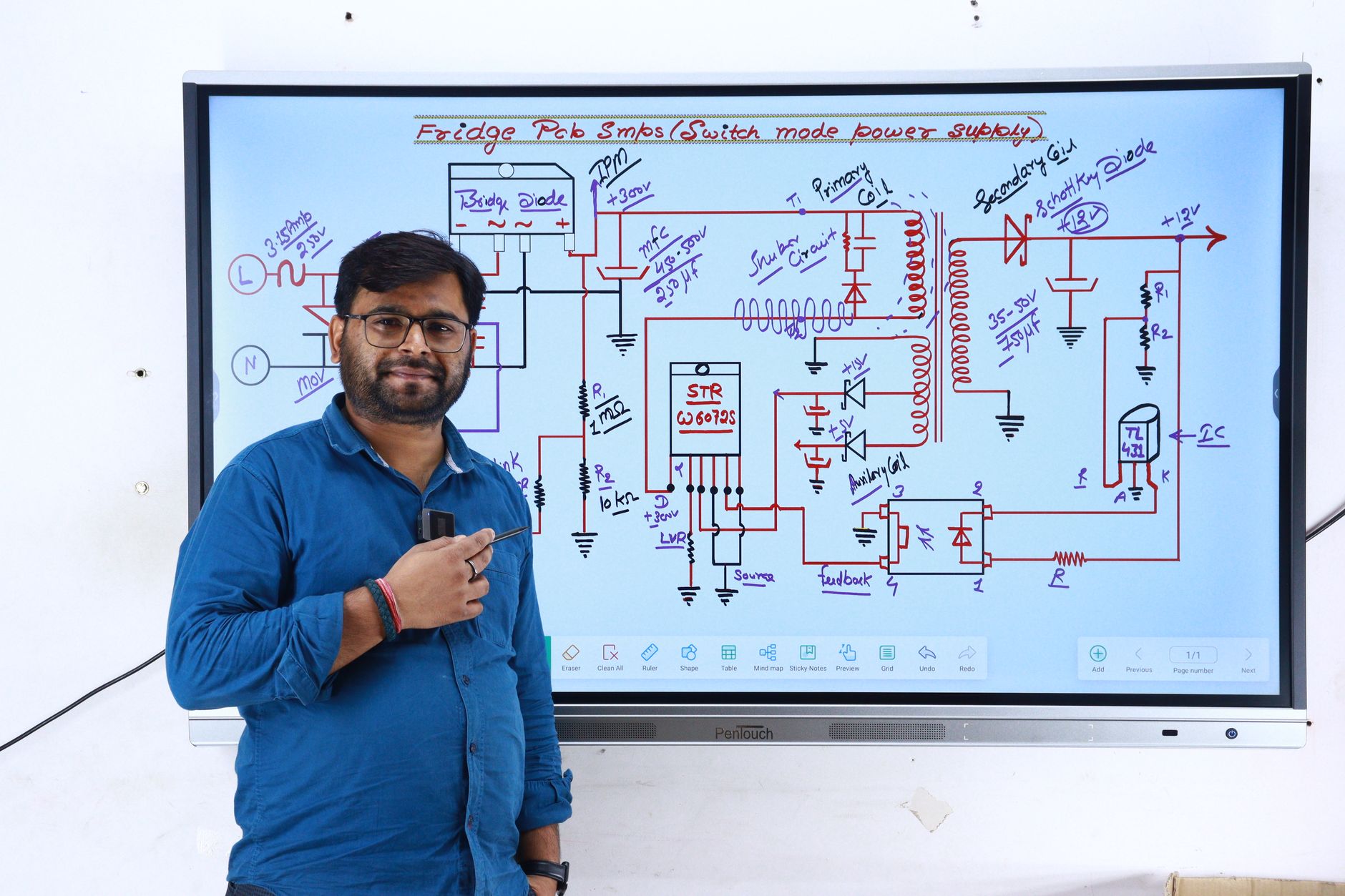
Recent surveys suggest that a significant percentage of Indian graduates are not immediately employable in their chosen fields. Engineering graduates cannot write basic code or understand circuit diagrams beyond textbook problems. Commerce students struggle with practical accounting software despite scoring well in theory papers. Even medical graduates sometimes lack adequate clinical skills because their training focused heavily on clearing entrance and exit examinations.
This employability crisis manifests in multiple ways:
- Companies spend considerable resources on training fresh hires in basic skills that should have been developed during education
- Young professionals struggle to adapt when faced with novel problems that don't match textbook scenarios
- The gig economy and entrepreneurship suffer because education hasn't fostered innovation and independent thinking
- Skilled trades and vocational careers face shortages while general degree holders remain unemployed
Why the System Persists
Despite widespread recognition of these problems, the rote-learning system persists for several reasons. High-stakes examinations with limited seats create intense competition, pushing families toward any strategy that promises success. Teachers face pressure to improve pass percentages and board results rather than foster genuine learning. Universities continue using outdated syllabi and examination patterns that reward memorisation.
The social premium placed on marks and ranks further entrenches this culture. A student who truly understands 70 per cent of the material but scores 70 per cent faces disadvantages compared to one who memorises everything for 90 per cent but forgets it immediately after exams. Parents, lacking alternatives, invest heavily in coaching to ensure their children aren't left behind in this race.
The Path Forward
Breaking free from the cramming trap requires systemic changes at multiple levels. Educational institutions must redesign curricula to emphasise conceptual understanding, practical application, and continuous assessment rather than single high-stakes examinations. Exam patterns should include open-book tests, project work, and problem-solving exercises that cannot be cracked through mere memorisation.
Employers and policymakers also bear responsibility. Companies should look beyond marks and degrees to assess actual competencies during hiring. Government policy must incentivise schools and colleges to focus on learning outcomes rather than just examination results. Vocational training and skill development programmes need greater social acceptance and integration with mainstream education.
Most importantly, the conversation around success needs to broaden. Parents and students must recognise that sustainable careers are built on genuine skills and adaptability, not just impressive certificates earned through cramming.
Until India's education system evolves from producing exam-clearing machines to nurturing thinking professionals, the employment crisis will persist regardless of economic growth or job creation initiatives. The cramming trap doesn't just waste years of young lives—it undermines the nation's ability to compete in a knowledge-driven global economy.