India has taken a landmark step in its battle against dengue fever by approving QDENGA, developed by Japanese pharmaceutical company Takeda. This represents the first dengue vaccine to receive regulatory approval in the country, opening new possibilities for disease prevention in one of the world's most dengue-affected regions.
Understanding Dengue and Its Impact in India
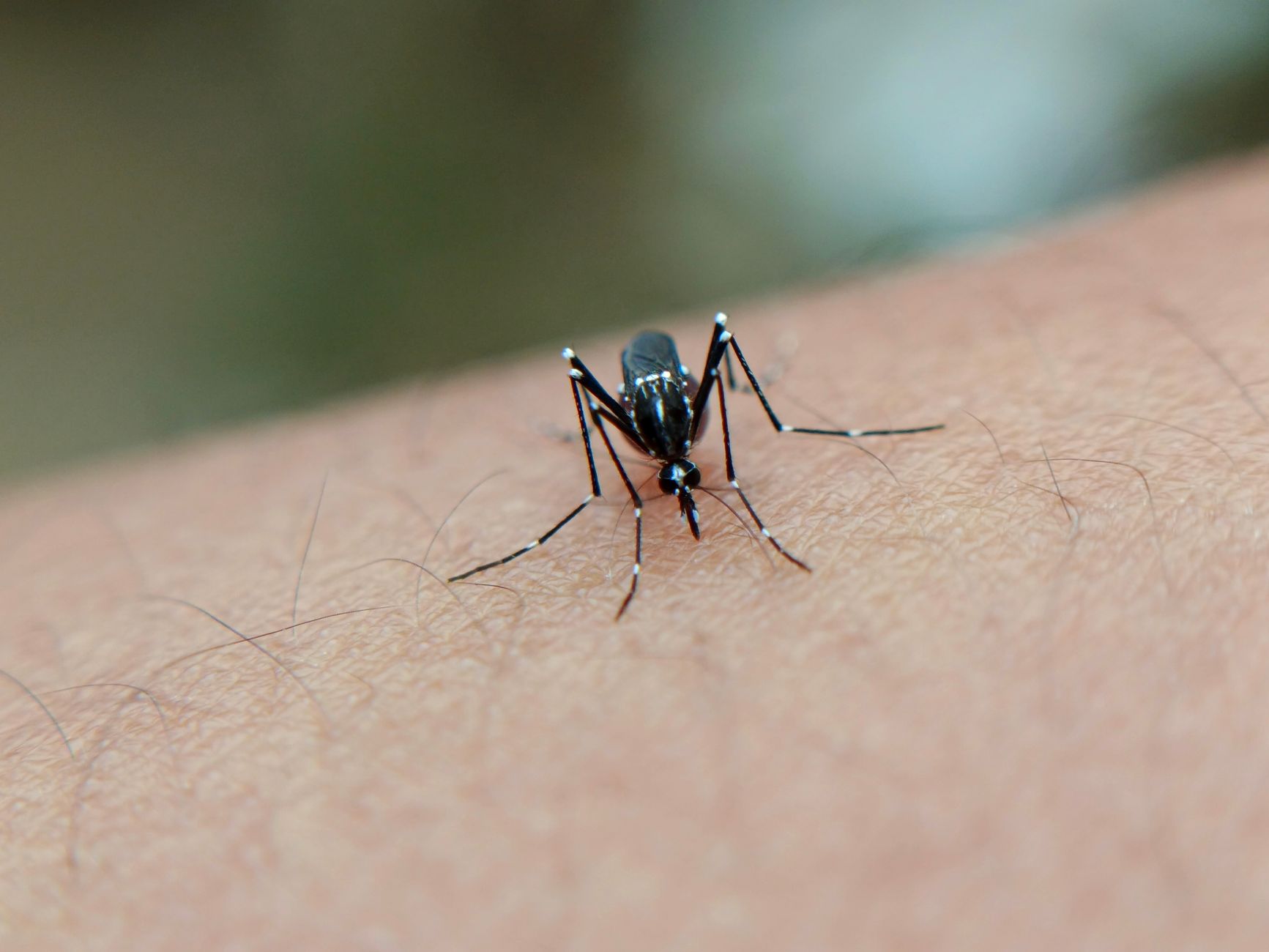
Dengue fever is a mosquito-borne viral infection transmitted primarily by Aedes aegypti mosquitoes. The disease causes high fever, severe headache, pain behind the eyes, joint and muscle pain, rash, and mild bleeding. In severe cases, dengue can progress to dengue hemorrhagic fever or dengue shock syndrome, both potentially fatal complications.
India reports hundreds of thousands of dengue cases annually, with the actual numbers likely much higher due to underreporting and asymptomatic infections. The disease burden peaks during and after monsoon seasons when mosquito breeding accelerates. Urban areas with poor water management and inadequate sanitation infrastructure face particularly high transmission rates.
What Makes QDENGA Different
QDENGA is a live-attenuated vaccine, meaning it contains weakened versions of the dengue virus that cannot cause disease in healthy individuals but can trigger immune responses. The vaccine is designed to protect against all four dengue virus serotypes, which is crucial because infection with one serotype followed by infection with another can increase the risk of severe dengue.
Unlike some earlier dengue vaccine candidates that faced limitations, QDENGA has been developed to be suitable for broader populations. The vaccine is administered as a two-dose regimen, with the second dose given three months after the first.
Clinical Evidence and Global Approvals
The approval in India follows authorizations in several other countries, including those in the European Union, Indonesia, Thailand, and various Latin American nations. Clinical trials have demonstrated the vaccine's ability to reduce symptomatic dengue cases and hospitalizations.
The pivotal studies for QDENGA involved tens of thousands of participants across dengue-endemic regions, providing robust data on safety and efficacy. The trials showed protection across different age groups and regardless of whether participants had previous dengue exposure.
Implications for Public Health in India
The approval of QDENGA provides Indian health authorities with a new tool in dengue prevention strategies. Traditional control measures focus on mosquito population reduction through insecticide spraying, eliminating breeding sites, and community awareness campaigns. While these remain important, a vaccine adds another layer of protection.
However, vaccine introduction will require careful planning regarding:
- Target populations for initial rollout
- Integration with existing immunization programs
- Pricing and accessibility considerations
- Public education about vaccine benefits and limitations
- Continued mosquito control efforts
Challenges Ahead
Despite this breakthrough, several challenges remain. Vaccine cost and accessibility will determine how many people can benefit from this protection. India's vast population and diverse healthcare infrastructure mean that equitable distribution will require significant coordination.
Additionally, vaccination cannot replace traditional mosquito control measures. An integrated approach combining environmental management, community participation, and immunization will remain essential for effective dengue control.
The vaccine's real-world effectiveness in India's specific epidemiological context will also need monitoring. Dengue transmission patterns vary across the country, and ongoing surveillance will help optimize vaccination strategies.
Looking Forward
The approval of QDENGA marks a turning point in India's dengue control efforts. As the country works toward implementing vaccination programs, lessons from other nations' experiences will be valuable. Success will depend on coordinated efforts between government health agencies, healthcare providers, and communities.
For a country where dengue poses a significant annual health burden, having an approved vaccine represents progress toward reducing disease impact. The coming months will be crucial as stakeholders determine implementation strategies to maximize this new prevention tool's benefits.
This article is for general informational purposes only and does not constitute medical advice. Consult qualified healthcare professionals for specific guidance about dengue prevention, vaccination eligibility, and treatment options appropriate for your individual circumstances.