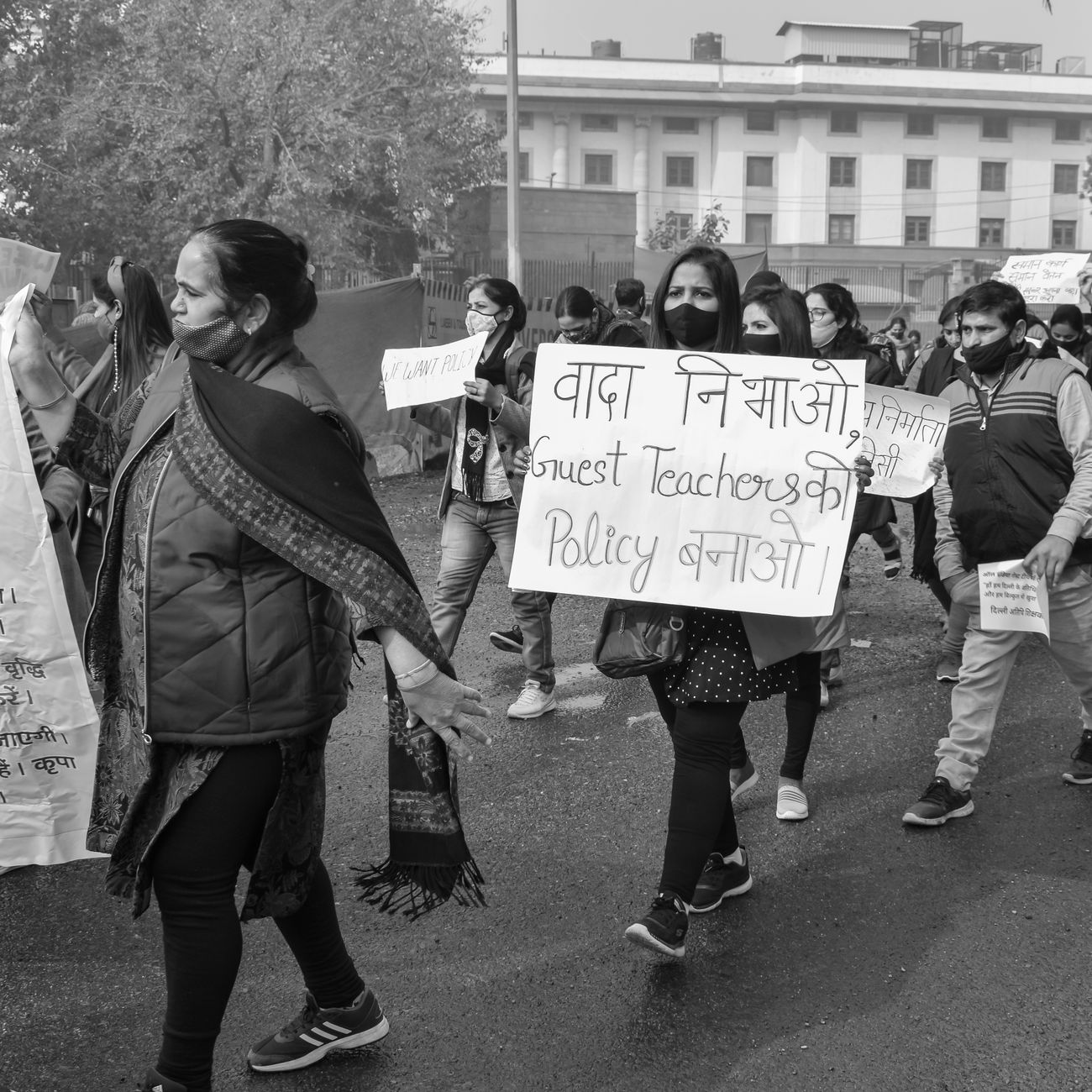
Student activism has a long and storied history in India, from the independence movement to the Emergency period. In recent months, university campuses have once again become sites of vigorous debate and protest, as young Indians question the direction of educational reforms and policy decisions affecting their institutions.
The Changing Landscape of Higher Education
India's education sector has undergone significant transformations in recent years. The National Education Policy 2020 introduced sweeping changes to the structure of schooling and higher education, moving from a 10+2 system to a 5+3+3+4 framework and emphasizing vocational training alongside traditional academics.
While proponents argue these reforms modernize outdated systems and align Indian education with global standards, critics raise concerns about implementation, resource allocation, and the pace of change. Universities have also seen modifications to syllabus content across disciplines, from history and political science to literature and social sciences.
Key Points of Contention
Several specific issues have sparked campus demonstrations:
- Changes to curriculum content in humanities and social sciences, with debates over historical narratives and the inclusion of certain topics
- Modifications to admission processes and entrance examinations for central universities
- Questions about institutional autonomy and the role of regulatory bodies in university governance
- Concerns over fee structures and the accessibility of higher education for students from economically disadvantaged backgrounds
- Debates surrounding campus speech and the boundaries of academic expression
The Role of Student Organizations
Student unions and organizations have historically played a central role in Indian campus politics. Groups across the political spectrum mobilize around education issues, though they may interpret policy changes through different ideological lenses.
Left-leaning student organizations have been particularly vocal in opposing what they characterize as attempts to impose ideological conformity on educational institutions. Meanwhile, student groups aligned with other political traditions argue that curriculum updates are necessary to correct historical biases and reflect diverse perspectives.
Academic Freedom and Institutional Autonomy
At the heart of many protests lies a fundamental question: who should control what is taught and how universities operate? The concept of academic freedom—the principle that educators and students should have liberty to teach, study, and pursue knowledge without undue interference—is cherished by many in the academic community.
Incidents at various universities, including faculty appointments, research funding decisions, and administrative actions, have fueled perceptions among some that political considerations increasingly influence academic matters. University administrators often find themselves navigating between government directives, faculty concerns, and student demands.
Regional Variations and Local Contexts
The intensity and nature of student activism varies considerably across India's diverse educational landscape. Elite central universities in major cities often see the most visible protests, but state universities and colleges also experience their own movements, sometimes focused on region-specific issues like language policy or regional representation.
Southern states, the Northeast, and other regions bring their own historical contexts and educational traditions to these debates, meaning that national-level policies play out differently depending on local circumstances.
The Generational Dimension
Today's university students came of age in an India transformed by digital connectivity, social media, and rapid economic change. They tend to be more globally aware yet also more conscious of local and national identities. This generation often approaches political issues differently than their predecessors, using online platforms to organize and amplify their voices.
However, student protesters also face challenges their earlier counterparts did not, including more sophisticated surveillance capabilities and the potential for online activities to affect future employment prospects.
The Broader Political Context
Education policy does not exist in a vacuum. India's political landscape has become increasingly polarized, with education emerging as one of several contested domains. Different political parties and civil society groups view education through their particular ideological frameworks, leading to fundamentally different visions for what Indian education should accomplish.
These protests reflect deeper questions about India's identity and future direction—questions that extend far beyond campus boundaries but find particularly passionate expression among young people whose futures are directly at stake.
Looking Ahead
The outcome of current debates over education policy will shape India's intellectual and professional landscape for decades. Whether through negotiation, judicial intervention, or political processes, these issues will continue to evolve.
What remains clear is that India's youth are not passive recipients of policy decisions but active participants in shaping the educational institutions that will define their opportunities and their nation's trajectory.