In a significant development for Indian sports healthcare, the Sports Injury Centre at Safdarjung Hospital and the Sports Authority of India have formalized a partnership through a Memorandum of Understanding (MoU). This collaboration marks a critical step forward in addressing the specialized medical needs of athletes and advancing sports medicine infrastructure in the country.
Understanding the Partnership
The tripartite agreement brings together three key institutions: the Sports Injury Centre, a specialized facility within Safdarjung Hospital known for treating athletic injuries; Safdarjung Hospital itself, one of Delhi's premier government hospitals; and the Sports Authority of India (SAI), the apex national body responsible for developing sports in India. This convergence of medical expertise and sports administration creates a robust framework for comprehensive athlete care.
The partnership aims to bridge the gap between clinical sports medicine and practical athlete management, ensuring that sportspersons receive evidence-based treatment protocols tailored to their unique physical demands.
Why Sports Medicine Matters for Athletes
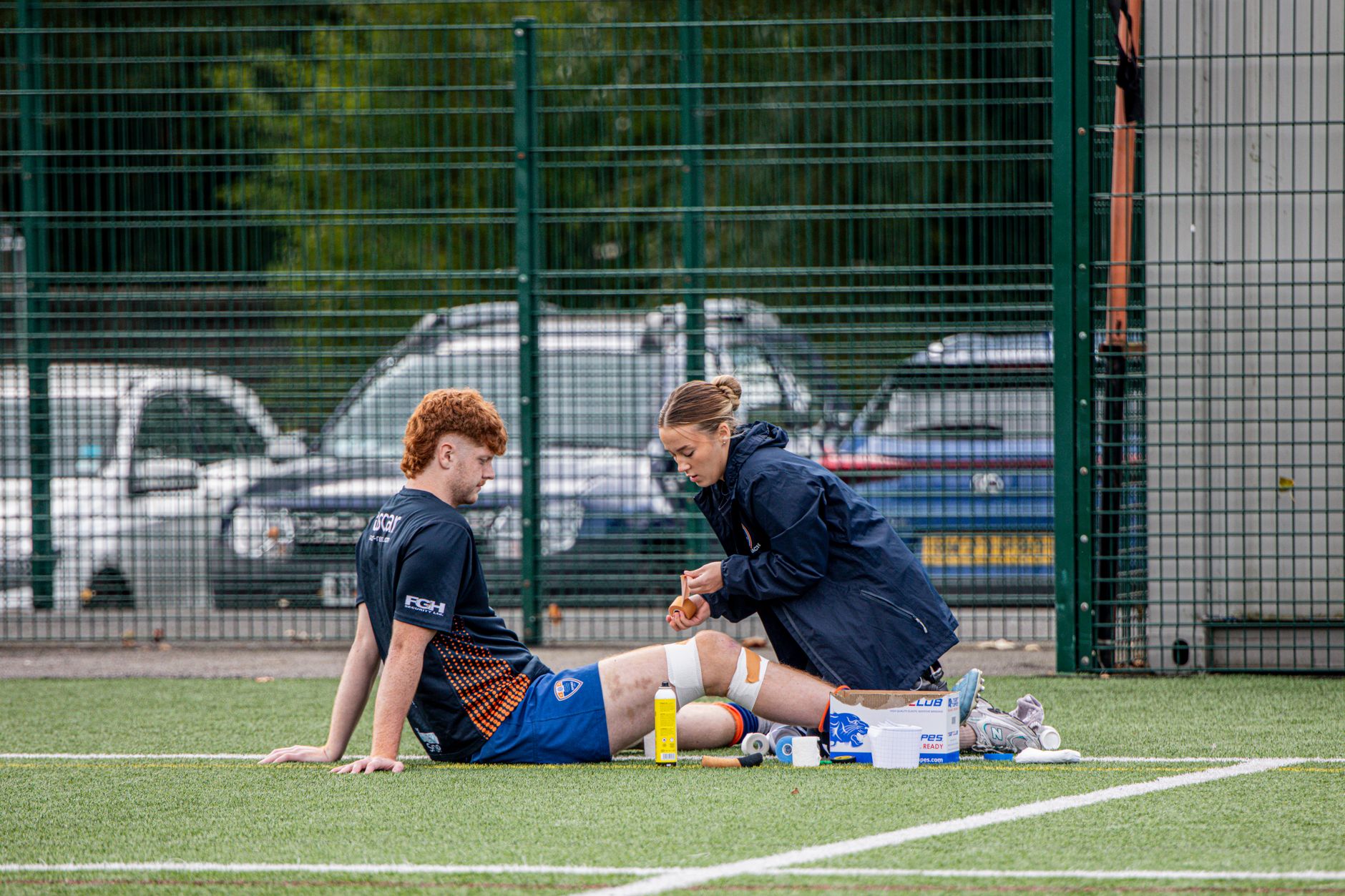
Athletes place extraordinary stress on their bodies, leading to injury patterns distinct from those seen in the general population. Sports medicine encompasses not just injury treatment but also prevention, performance optimization, rehabilitation, and return-to-play protocols. Without specialized care, athletes risk prolonged recovery periods, incomplete healing, or career-ending complications.
India's growing presence in international sports, from cricket and hockey to badminton and wrestling, has created an urgent need for sophisticated sports medicine infrastructure. Young athletes, in particular, require specialized attention as their bodies are still developing, making them vulnerable to both acute injuries and overuse syndromes.
Expected Benefits of the Collaboration
The MoU is expected to deliver several tangible benefits:
- Enhanced access to specialized medical facilities for athletes training at SAI centers across India
- Development of standardized treatment protocols based on international best practices
- Research opportunities in sports medicine, biomechanics, and injury prevention
- Training programs for healthcare professionals in sports-specific medical care
- Expedited medical attention for athletes requiring immediate intervention
- Integration of sports science with clinical medicine for holistic athlete development
The Sports Injury Centre's Role
Safdarjung Hospital's Sports Injury Centre has long been recognized as a center of excellence for treating athletic injuries. The facility offers specialized services including orthopedic surgery, physiotherapy, sports psychology, and nutritional counseling. The center's expertise in managing everything from stress fractures and ligament tears to concussion protocols makes it an ideal partner for SAI.
Through this collaboration, the center's resources and expertise become more accessible to elite and emerging athletes who are part of the national sports ecosystem. This integration ensures that medical care keeps pace with training intensity and competitive demands.
Impact on Indian Sports Ecosystem
This partnership addresses a critical gap in India's sports infrastructure. While considerable investment has been made in training facilities and coaching, sports medicine has often lagged behind. The collaboration creates a model that can potentially be replicated across other institutions, establishing regional hubs of sports medicine excellence.
For grassroots athletes, the partnership may eventually lead to trickle-down benefits as treatment protocols and knowledge are disseminated through the wider healthcare system. The research and data generated from treating elite athletes can inform prevention strategies for recreational sportspersons as well.
Looking Ahead
The success of this initiative will depend on effective implementation, adequate resource allocation, and continuous evaluation of outcomes. Key performance indicators might include injury recovery times, return-to-play success rates, and athlete satisfaction with medical services.
As India aspires to improve its Olympic medal tally and performance across international competitions, investments in sports medicine become increasingly critical. Healthy, well-cared-for athletes perform better, have longer careers, and can inspire the next generation of sports participants.
The MoU represents more than just an administrative agreement—it signals a recognition that athlete welfare requires specialized, coordinated care. By bringing together medical expertise and sports administration, this partnership creates a foundation for a more professional, scientific approach to athlete healthcare in India.
This article is for general informational purposes only and does not constitute medical advice. Athletes and individuals with sports-related injuries should consult qualified healthcare professionals for personalized medical guidance.