India's successful launch of its first private orbital rocket marks a watershed moment not just for the country's space ambitions, but also for its public health infrastructure. While the achievement is primarily celebrated as a technological milestone, the intersection of space technology and healthcare delivery holds transformative potential for a nation of over 1.4 billion people.
Satellite Technology and Telemedicine Expansion
The growth of India's private space sector directly enables expanded telemedicine capabilities, particularly crucial for rural and remote areas where healthcare access remains limited. Satellite-based communication networks can support real-time video consultations, remote diagnostics, and transmission of medical imaging data from underserved regions to specialist centers in urban areas.
Currently, millions of Indians living in mountainous terrain, island territories, and rural villages struggle with poor internet connectivity that hampers telehealth adoption. Private satellite constellations can fill these gaps, providing reliable, high-bandwidth connections that make virtual healthcare consultations practical and effective. This becomes especially important for managing chronic conditions, emergency consultations, and specialist referrals without requiring patients to travel hundreds of kilometers.
Disease Surveillance and Epidemic Response
Space-based observation systems play an increasingly vital role in tracking disease outbreaks and environmental health threats. Satellites equipped with advanced sensors can monitor factors that influence disease transmission, including water quality, vegetation changes, temperature patterns, and population movements.
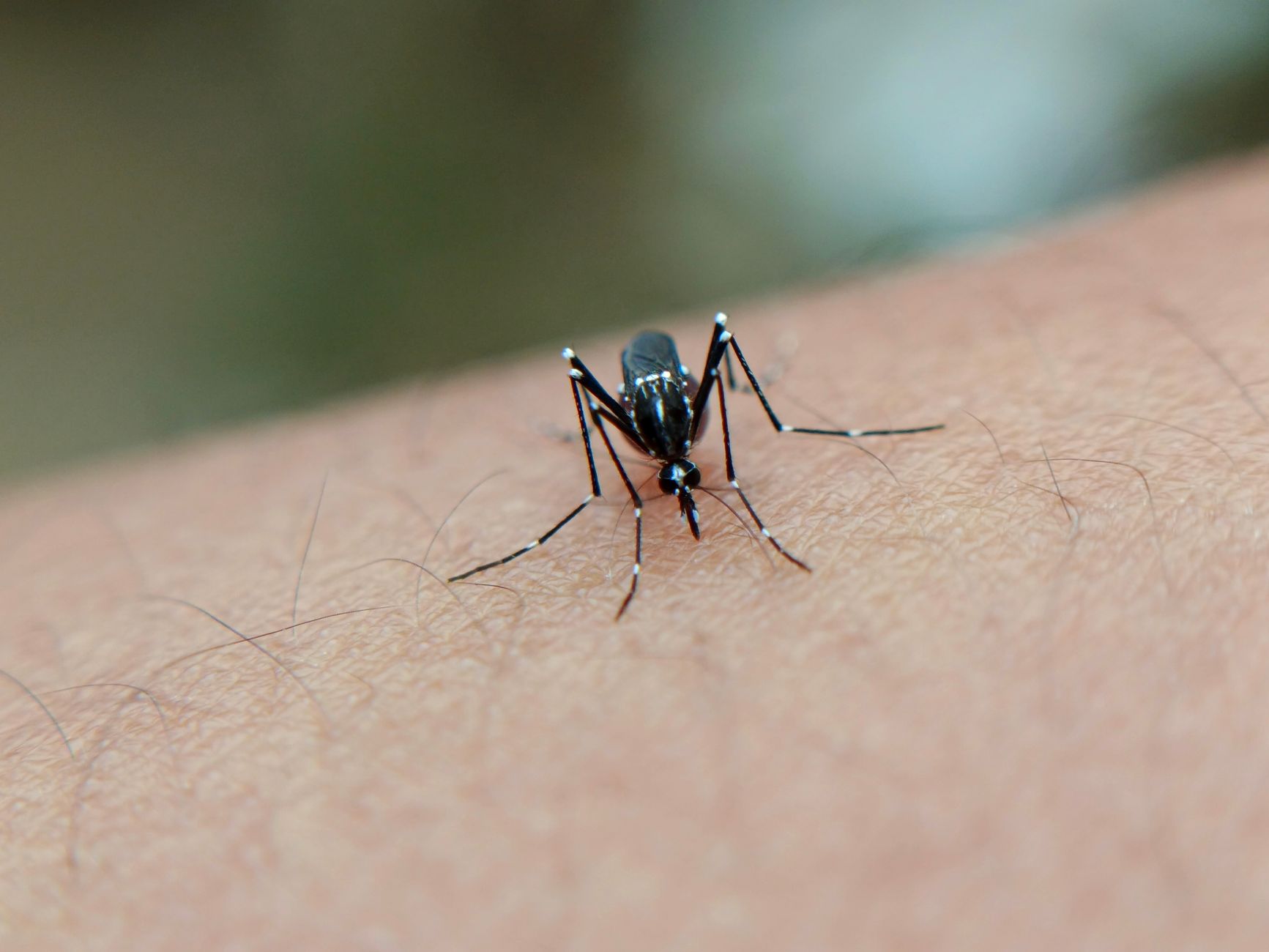
For vector-borne diseases like malaria and dengue, which affect millions of Indians annually, satellite data helps predict outbreak zones by tracking rainfall patterns, standing water accumulation, and temperature fluctuations that create ideal breeding conditions for mosquitoes. Public health officials can use this information to deploy preventive measures and allocate resources more effectively.
During the COVID-19 pandemic, satellite imagery helped authorities monitor population density, track movement patterns during lockdowns, and identify areas requiring urgent intervention. As private companies lower the cost of satellite launches and data access, such capabilities become more affordable and widespread.
Environmental Health Monitoring
Air quality, water contamination, and environmental degradation significantly impact public health outcomes. India faces severe challenges with air pollution in major cities, industrial contamination of water sources, and agricultural runoff affecting drinking water supplies.
Satellites provide continuous, wide-area monitoring of these environmental health determinants. They can detect pollution sources, track air quality indices across regions, identify contaminated water bodies, and monitor illegal dumping or industrial discharge. This data empowers regulatory authorities to take timely action and helps researchers understand the links between environmental factors and health outcomes.
Private sector involvement in space technology means more frequent launches, updated satellite constellations, and improved sensor technology, all of which enhance the quality and timeliness of environmental health data.
Medical Research and Drug Development
Microgravity research conducted on orbital platforms offers unique opportunities for medical advancement. Space-based laboratories enable studies on protein crystallization, cellular behavior, and disease mechanisms that are difficult or impossible to replicate on Earth.
Pharmaceutical companies have used microgravity environments to develop better drug formulations and understand disease processes at the molecular level. As private orbital platforms become more accessible and affordable, Indian researchers and pharmaceutical companies gain opportunities to conduct experiments that could lead to breakthrough treatments for cancer, neurological disorders, and infectious diseases.
Emergency Response and Disaster Medicine
India's vulnerability to natural disasters—floods, cyclones, earthquakes, and landslides—makes rapid emergency response critical. Satellites provide real-time imagery during disasters, helping coordinate rescue operations, identify affected populations, and plan medical relief efforts.
Private satellite operators can offer more flexible, on-demand imaging services compared to government-only systems, ensuring that emergency responders have current information during critical situations. This capability saves lives by helping medical teams reach affected areas quickly and efficiently distribute supplies and personnel.
The Road Ahead
The commercialization of space launches in India signals broader accessibility to space-based technologies that support health objectives. Lower launch costs mean more organizations—from public health agencies to research institutions—can afford to deploy sensors, communication systems, and research platforms.
As this sector matures, collaboration between space companies, healthcare providers, and research institutions will be essential to maximize public health benefits. The challenge lies in ensuring that these technological advances reach those who need them most, particularly underserved populations in remote areas.
This article is for general informational purposes only and does not constitute professional medical or health policy advice. Readers should consult qualified healthcare professionals and relevant authorities for specific health concerns and policy decisions.