South India has quietly transformed into a significant player in the international education landscape, with cities like Bengaluru, Hyderabad, Chennai, and Kochi attracting thousands of students from across the globe. This shift offers valuable lessons about the future direction of cross-border education and what institutions worldwide must do to remain competitive.
The Numbers Tell a Story
Over the past five years, South Indian institutions have witnessed a steady increase in international student enrollment. Engineering colleges, management schools, medical institutions, and liberal arts universities in the region now host students from over 80 countries, with significant representation from African nations, Southeast Asia, Central Asia, and the Middle East.
This growth comes at a time when traditional education destinations like the United States, United Kingdom, and Australia are grappling with restrictive immigration policies and rising costs. South India's emergence suggests that students are actively seeking alternative destinations that offer quality education at more accessible price points.
What Makes South India Attractive
Several factors contribute to the region's growing appeal among international students:
- Affordable tuition fees and living costs compared to Western countries
- English as the primary medium of instruction in most institutions
- Growing technology and startup ecosystems providing employment opportunities
- Cultural diversity and historical openness to different communities
- Improved infrastructure and connectivity in major educational hubs
- Recognition from international accreditation bodies
The region's technology sector particularly stands out. Bengaluru's status as India's Silicon Valley means students have access to internships and networking opportunities with global companies. Similarly, Hyderabad's pharmaceutical and biotech industries attract life sciences students.
The Quality Factor
South Indian institutions have made significant strides in improving academic standards. Several universities now feature in global rankings, and many have established international collaborations with prestigious universities worldwide. Research output has increased, and faculty increasingly include scholars with international experience.
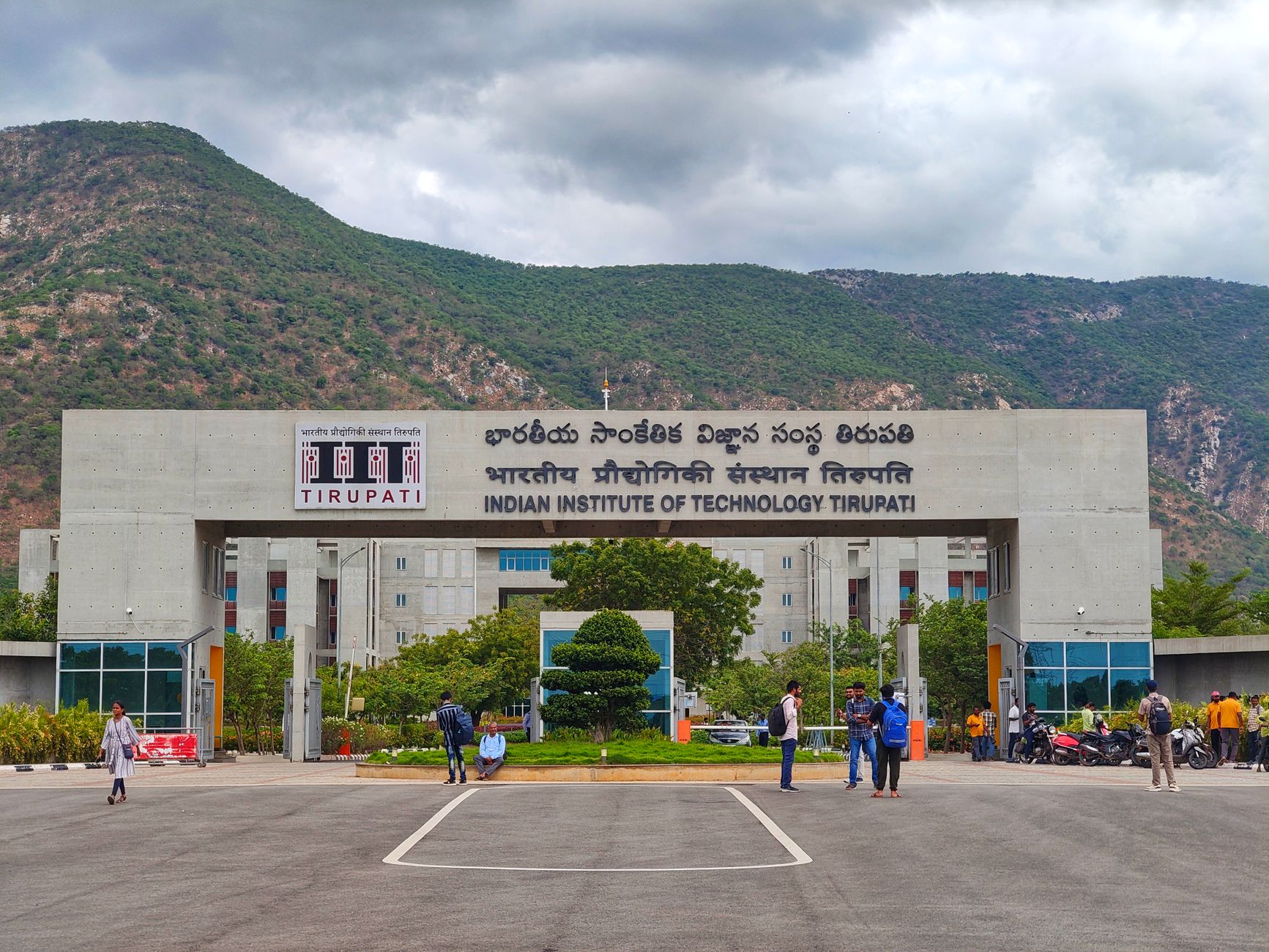
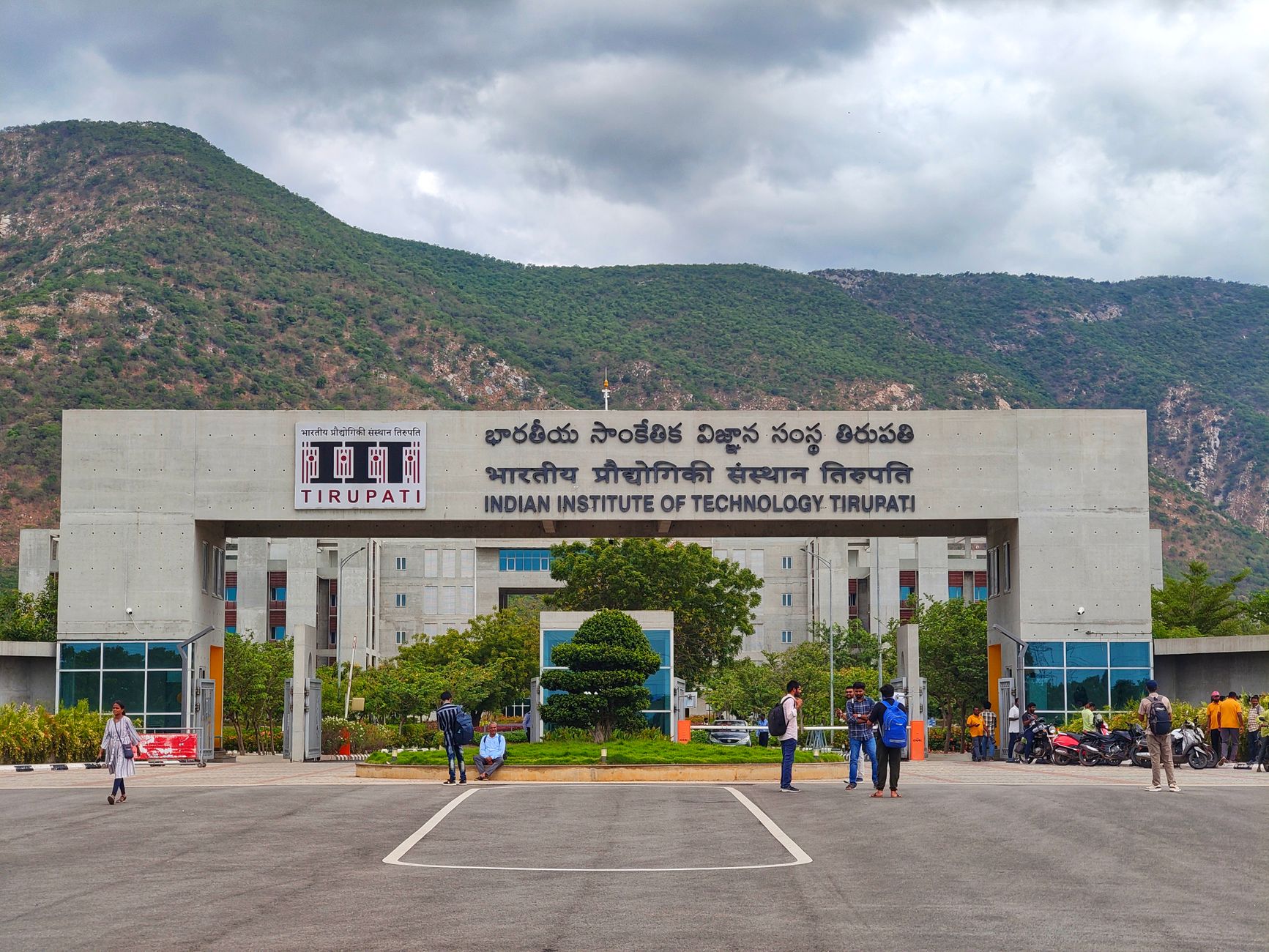
The Indian Institutes of Technology in Chennai and Hyderabad, the Indian Institute of Science in Bengaluru, and institutions like Vellore Institute of Technology have developed specialized programs tailored for international students. These include flexible course structures, cultural orientation programs, and dedicated support services.
Lessons for Global Education
South India's success reveals several trends that will likely shape international education's future:
The first is the democratization of quality education. Students no longer automatically gravitate toward traditional Western destinations. They conduct careful cost-benefit analyses and seek value for money. Institutions offering solid academics, industry connections, and reasonable costs will attract students regardless of geography.
Second, the technology sector drives education choices. Students want to be where innovation happens, where they can participate in emerging industries like artificial intelligence, renewable energy, and biotechnology. Regions building robust tech ecosystems naturally become education destinations.
Third, cultural factors matter differently now. While students still seek welcoming environments, they're more willing to embrace cultural differences if the academic and professional opportunities justify it. The South Indian experience shows that international students adapt well when institutions provide adequate support systems.
Challenges That Remain
Despite progress, South Indian institutions face obstacles in fully capitalizing on their potential. Bureaucratic visa processes, limited on-campus housing, and the need for more internationalized curricula remain concerns. Some institutions still lack adequate support services for international students navigating a new country.
Additionally, post-study work opportunities, while improving, aren't as straightforward as in countries with dedicated graduate visa programs. This affects student decisions, particularly those seeking long-term career options.
The Broader Implications
South India's trajectory suggests that international education will become increasingly multipolar. Students will choose from a wider array of destinations, and countries investing in education infrastructure and quality will benefit from this global talent circulation.
For institutions worldwide, this means complacency is no longer an option. Universities must continuously improve value propositions, enhance student experiences, and create clear pathways from education to employment. Those that adapt will thrive in this new landscape.
The South Indian model demonstrates that emerging education hubs can successfully compete by leveraging regional strengths, whether technology ecosystems, specific industry clusters, or cultural attributes. As global education evolves, expect more regions to follow similar strategies, ultimately benefiting students through increased choice and accessibility.