In a significant development for India's public education sector, Shikshagraha has entered into a strategic partnership with Teach For India, bringing together two organizations committed to transforming the learning experiences of students in government schools across the country. This collaboration represents a growing trend of educational organizations pooling resources and expertise to address systemic challenges in the Indian education system.
Understanding the Partner Organizations
Shikshagraha is an education-focused non-profit organization that works primarily on strengthening public school systems through various intervention models. The organization has been active in developing frameworks that support teachers, school leaders, and education administrators in delivering quality education to children from underserved communities.
Teach For India, part of the global Teach For All network, has established itself as one of India's leading educational initiatives since its inception over a decade ago. The organization recruits talented graduates and professionals to serve as full-time teachers in under-resourced schools, typically for a two-year fellowship period. Beyond classroom teaching, Teach For India focuses on developing leaders who remain committed to educational equity throughout their careers.
Key Objectives of the Partnership
The collaboration between these two organizations is expected to create synergies that amplify their individual impact on public education. Some anticipated focus areas include:
- Enhancing teacher capacity through joint training programs and professional development workshops
- Developing scalable models for classroom intervention that can be adopted across multiple schools
- Creating robust support systems for educators working in challenging educational environments
- Leveraging technology and innovative pedagogical approaches to improve learning outcomes
- Building community engagement frameworks that involve parents and local stakeholders in the educational process
Addressing Critical Gaps in Public Education
India's public education system serves the vast majority of the country's students, yet it continues to face numerous challenges. Infrastructure deficits, teacher shortages, high student-teacher ratios, and learning outcome gaps remain persistent issues despite significant government investment in education.
The COVID-19 pandemic further exacerbated these challenges, with extended school closures disproportionately affecting students from economically disadvantaged backgrounds who lacked access to digital devices and internet connectivity for remote learning. As schools have reopened, educators face the additional burden of addressing learning losses accumulated during this period.
Partnerships like the one between Shikshagraha and Teach For India recognize that sustainable improvement requires multi-faceted approaches that go beyond one-time interventions. By combining classroom-level innovation with systemic support structures, such collaborations aim to create lasting change.
The Broader Landscape of Educational Partnerships
This partnership reflects a broader ecosystem of collaboration emerging in India's education sector. Government bodies, non-profit organizations, corporate social responsibility initiatives, and educational institutions are increasingly recognizing the value of working together rather than in silos.
The National Education Policy 2020 has also emphasized the importance of multi-stakeholder engagement in achieving educational goals. The policy's vision for equitable and quality education aligns closely with the missions of organizations like Shikshagraha and Teach For India, creating favorable conditions for such partnerships to thrive.
Implementation and Impact Measurement
While the specific implementation details of the Shikshagraha-Teach For India partnership may evolve, successful educational collaborations typically incorporate clear impact metrics and accountability frameworks. These might include improvements in student learning outcomes, teacher retention rates, student attendance, and long-term educational attainment.
Effective partnerships also require ongoing communication, shared decision-making processes, and flexibility to adapt approaches based on ground-level feedback. The involvement of teachers, school administrators, and community members in program design and execution often determines the sustainability of such initiatives.
Looking Ahead
As India continues its journey toward achieving universal quality education, partnerships between committed organizations become increasingly crucial. The collaboration between Shikshagraha and Teach For India has the potential to create replicable models that can inform policy and inspire similar partnerships across the country.
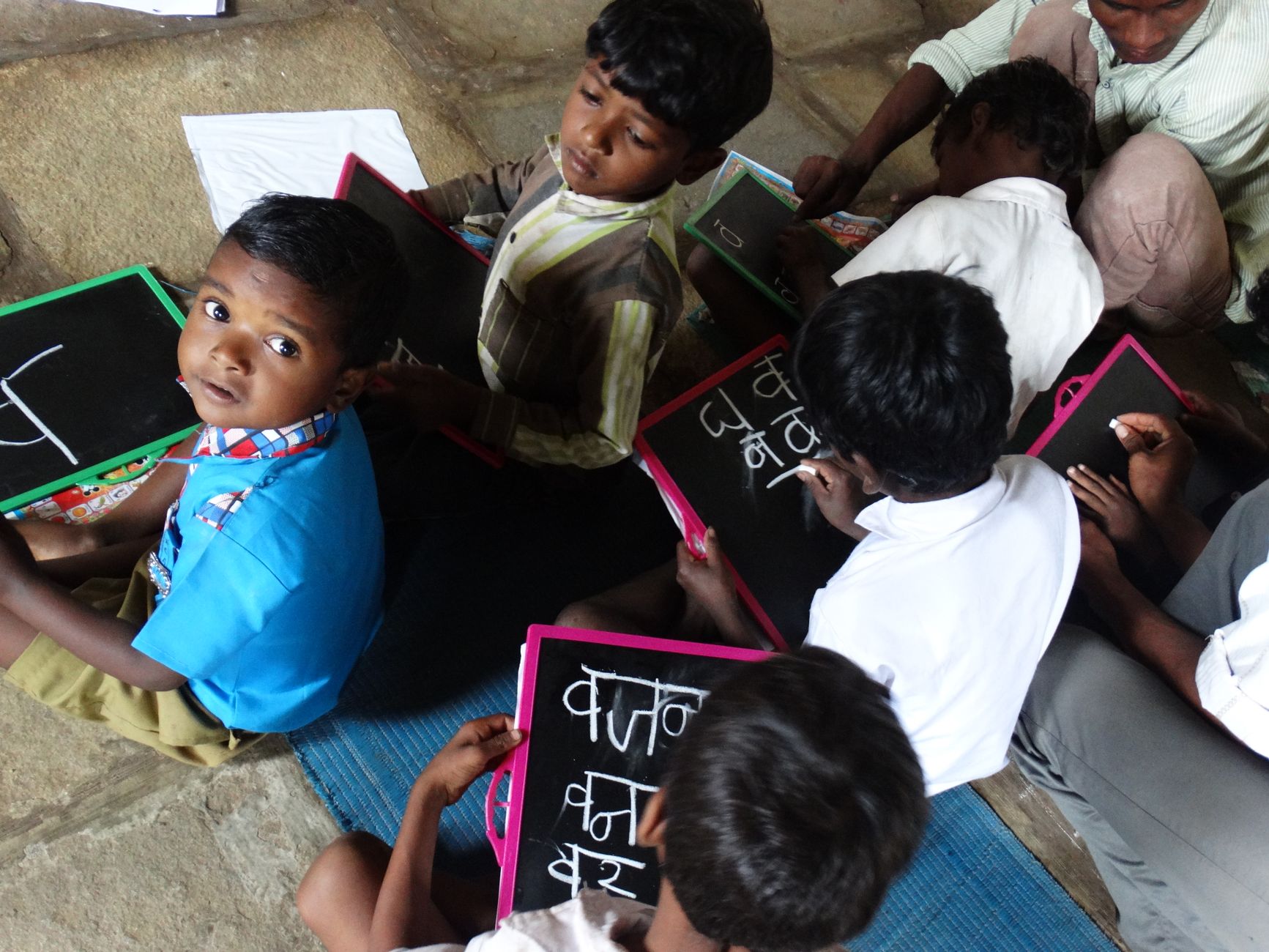
For the millions of children in India's government schools, such initiatives represent hope for more engaging learning environments, better-supported teachers, and ultimately, improved opportunities to realize their full potential.