The story of Major Rishabh Singh Sambyal offers a compelling look at how India's military education system transforms young students into accomplished officers. His journey underscores the importance of specialized institutions like Sainik Schools in creating a pipeline of dedicated armed forces personnel.
The Sainik School Foundation
Sainik Schools were established in 1961 with a clear mission: to prepare academically strong and physically fit young boys for entry into the National Defence Academy (NDA). These residential public schools, spread across India, admit students typically in classes six and nine through competitive entrance examinations.
The curriculum at Sainik Schools goes far beyond textbooks. Students follow the standard CBSE syllabus while simultaneously undergoing military-style discipline, physical training, and character development programs. Daily routines include early morning drills, sports activities, and leadership exercises designed to instil values of courage, discipline, and selfless service.
For students like Major Sambyal, the Sainik School experience becomes foundational. The environment teaches time management, teamwork, and resilience—qualities essential for military careers. Many Sainik School graduates successfully clear the NDA entrance examination, which is considered one of India's most competitive tests.
The National Defence Academy Route
After Sainik School, the typical path leads to the National Defence Academy in Khadakwasla, Pune. The NDA is a joint services academy where cadets from the Army, Navy, and Air Force train together before branching into their respective service academies.
The NDA offers a three-year degree program affiliated with Jawaharlal Nehru University, where cadets earn a Bachelor of Arts or Bachelor of Science degree. However, academics form only one component. Cadets undergo intensive physical training, weapons handling, drill exercises, and outdoor leadership camps that test their limits.
The selection process itself is rigorous. Candidates must clear the UPSC-conducted NDA examination, followed by the Service Selection Board (SSB) interview—a five-day assessment that evaluates intelligence, personality, and officer-like qualities through psychological tests, group tasks, and personal interviews.
Specialization at Indian Military Academy
After completing NDA, Army cadets move to the Indian Military Academy (IMA) in Dehradun for one year of specialized military training. Here, the focus shifts entirely to Army-specific skills, tactics, and leadership.
The IMA curriculum covers infantry tactics, weapon systems, map reading, military law, and counter-insurgency operations. Physical fitness standards become even more demanding, with cadets expected to excel in cross-country runs, obstacle courses, and endurance tests.
Upon successful completion, cadets pass out as commissioned officers with the rank of Lieutenant, taking an oath to serve the nation. This moment marks the culmination of years of preparation and the beginning of active military service.
Career Progression in the Indian Army
Once commissioned, officers serve in various capacities across India and in challenging terrains—from high-altitude posts in Siachen to counter-insurgency operations in difficult regions. Performance, leadership ability, and professional courses determine promotion prospects.
Officers attend specialized courses throughout their careers, including the Junior Command Course, Staff College, and Higher Command Courses. These programs prepare them for increasing responsibilities, from commanding platoons to battalions and beyond.
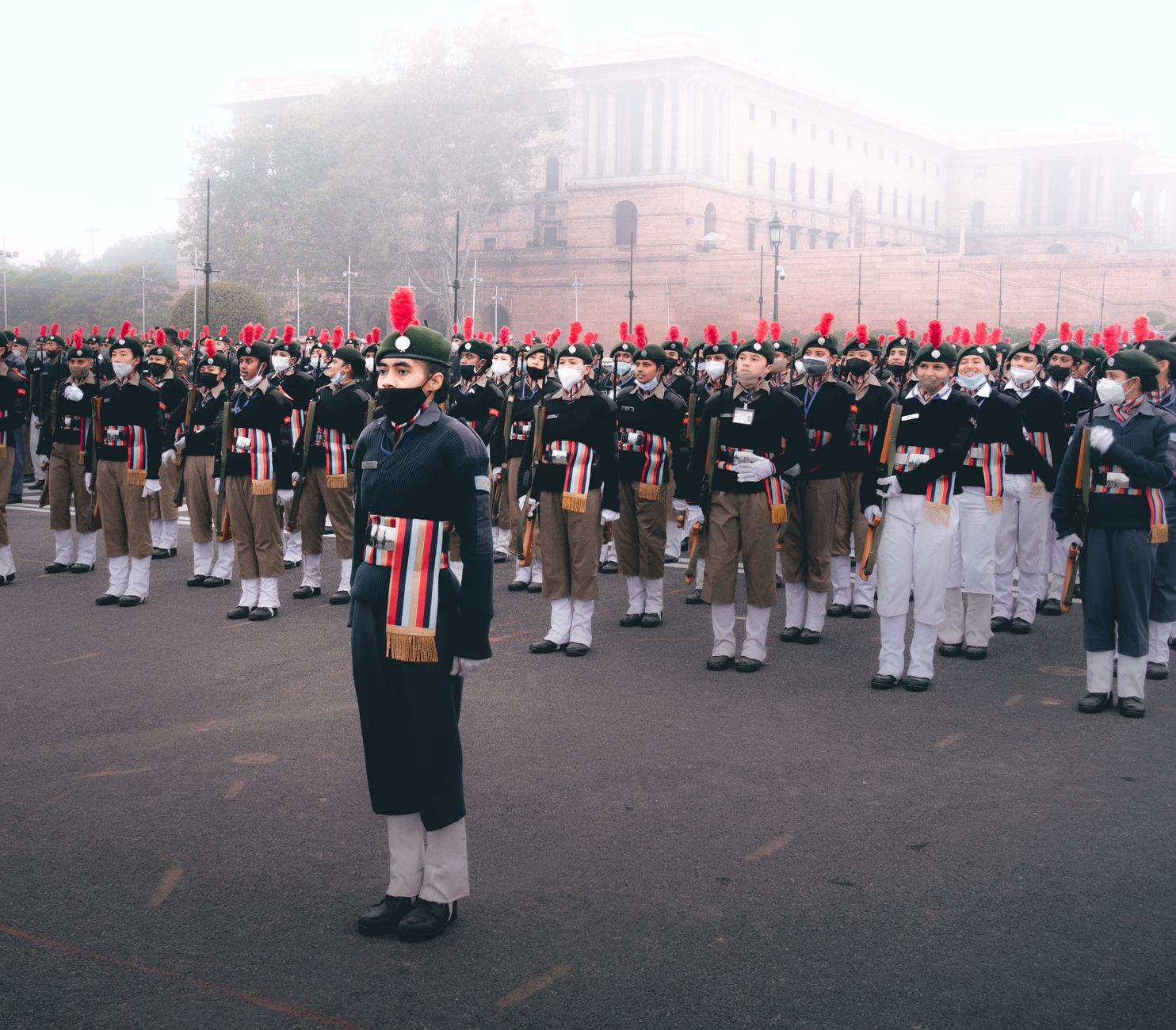
Exceptional officers may receive prestigious postings, including to the President's Bodyguard or other positions at Rashtrapati Bhavan. Such appointments recognize not just military competence but also exemplary conduct, discipline, and bearing befitting officers representing the nation at the highest level.
The Broader Impact of Military Education
The military education pathway demonstrates how structured institutional development creates leaders. The progression from Sainik School through NDA and service academies ensures officers receive comprehensive preparation spanning academics, physical fitness, tactical knowledge, and ethical grounding.
For parents considering educational options for children interested in defence careers, Sainik Schools offer an excellent starting point. With 33 Sainik Schools across India, they provide subsidized, quality education alongside military grooming. Admission typically requires clearing entrance tests conducted annually, with reservations for different categories.
The success stories of officers like Major Sambyal inspire thousands of young Indians who dream of serving in uniform, showing that with dedication and the right educational foundation, a rewarding career defending the nation is achievable.