In a powerful display of parental determination, a mother from rural India recently participated in a local running competition, completing 3 kilometres barefoot while wearing a sari to secure Rs 5,000 in prize money for her children's education. The incident has drawn widespread attention to the financial challenges that countless Indian families face when trying to provide their children with basic educational opportunities.
The Reality of Education Costs in Rural India
While India has made significant strides in improving access to education through initiatives like the Right to Education Act, the hidden costs of schooling remain a substantial burden for low-income families. Beyond tuition fees, parents must contend with expenses for uniforms, textbooks, stationery, transportation, examination fees, and supplementary materials. For families living on daily wages or subsistence farming, these costs can represent a significant portion of their monthly income.
Government schools theoretically offer free education, but practical expenses still accumulate. Even when textbooks are provided free of cost, students often need additional study materials, notebooks, and writing instruments. School uniforms, though subsidized in some states, require regular replacement as children grow. Mid-day meal schemes have improved nutrition and attendance, but they don't eliminate all the financial barriers to education.
Why Parents Make Extraordinary Sacrifices
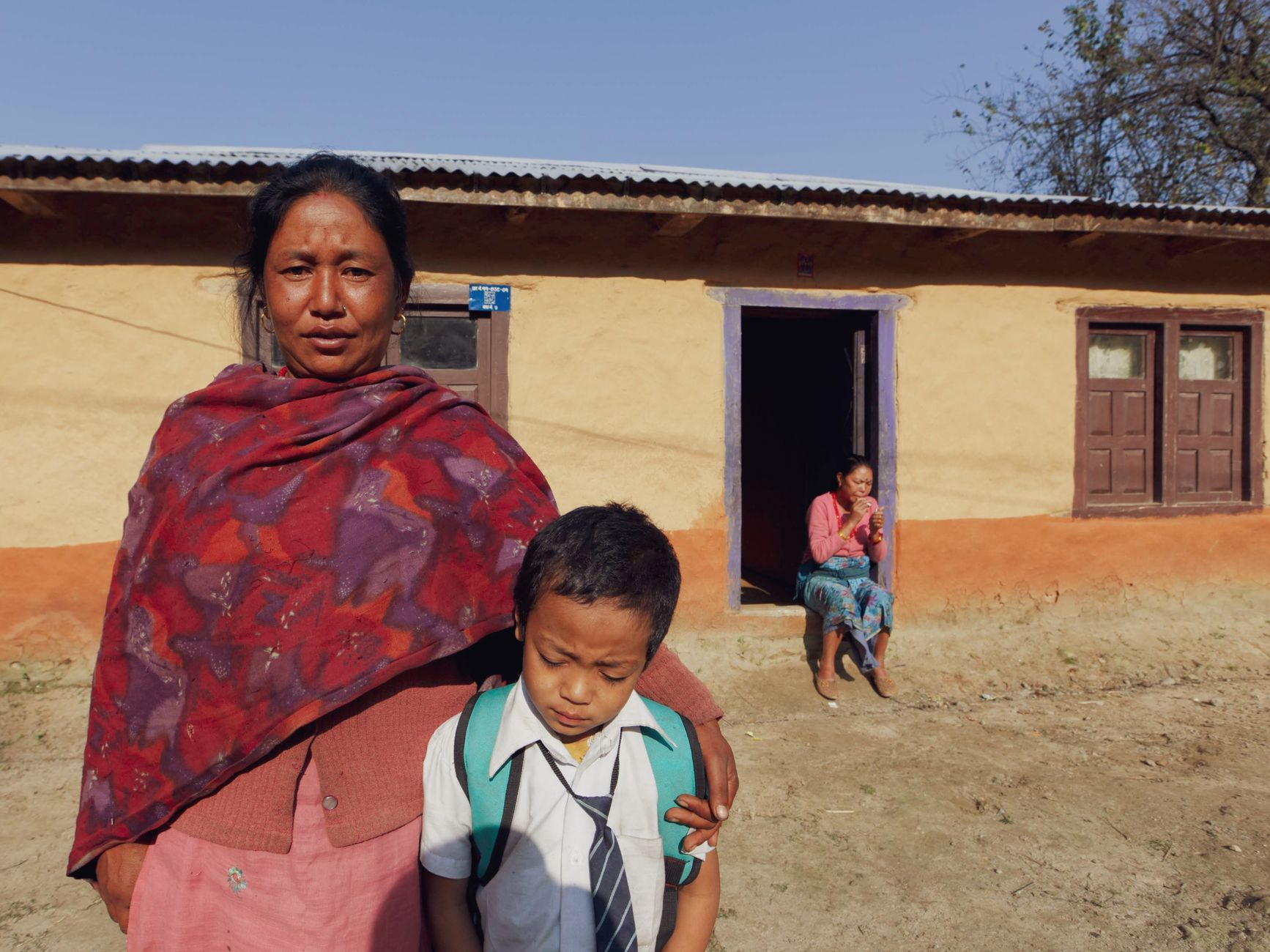
The determination shown by this mother reflects a widespread understanding among Indian parents that education represents the most reliable pathway out of poverty. Despite their own limited formal education, many rural parents recognize that their children's future opportunities depend heavily on academic achievement and credentials.
Education is increasingly viewed as an investment that yields returns across generations. Parents who work in agricultural labor or informal sectors understand that their children need different skills and qualifications to access better-paying jobs in an evolving economy. This awareness drives extraordinary sacrifices, whether it's working additional hours, skipping meals, or participating in competitions that offer prize money.
The Gender Dimension
The image of a mother running in traditional attire adds another layer to this narrative. In many rural communities, women's mobility and participation in public events can be restricted by social norms. Running 3 kilometres in a sari presents physical challenges that modern athletic wear is designed to eliminate. The fact that she competed barefoot further emphasizes the lack of resources available to her.
This story also highlights how mothers often become the primary drivers of their children's education, even when they may have limited formal schooling themselves. Women typically manage household budgets and make difficult decisions about resource allocation, frequently prioritizing their children's needs over their own.
Government Schemes and Remaining Gaps
India has implemented numerous schemes to reduce the financial burden of education on poor families. The Sarva Shiksha Abhiyan, Rashtriya Madhyamik Shiksha Abhiyan, and various scholarship programs aim to make education accessible and affordable. Many states provide bicycles to students to ease transportation challenges, and scholarship schemes target girls, scheduled castes, scheduled tribes, and other marginalized communities.
However, these programs don't reach all eligible families due to awareness gaps, documentation requirements, and implementation challenges. Many families in remote areas lack information about available schemes or struggle to navigate the application processes. Banking requirements, Aadhaar linkages, and other administrative hurdles can delay or prevent benefits from reaching intended beneficiaries.
The Broader Implications
This incident raises important questions about the adequacy of existing support systems. When parents must resort to extraordinary measures to afford basic educational expenses, it indicates systemic gaps that policy interventions haven't fully addressed. It also highlights the persistence of economic inequality and the vulnerability of families without financial safety nets.
The story has resonated widely because it embodies universal themes of parental love and sacrifice while exposing uncomfortable truths about resource distribution and opportunity access. It challenges viewers to consider what education truly costs when measured not just in rupees but in human dignity and physical hardship.
Moving Forward
Addressing these challenges requires both policy interventions and community-level support systems. Increasing the adequacy of existing scholarships, simplifying access to benefits, expanding the scope of free provisions, and creating local earnings opportunities for parents could all help reduce the burden on vulnerable families.
The mother's determination should inspire not just admiration but action toward creating an education system where no parent needs to run barefoot to afford their child's schooling.